Introduction
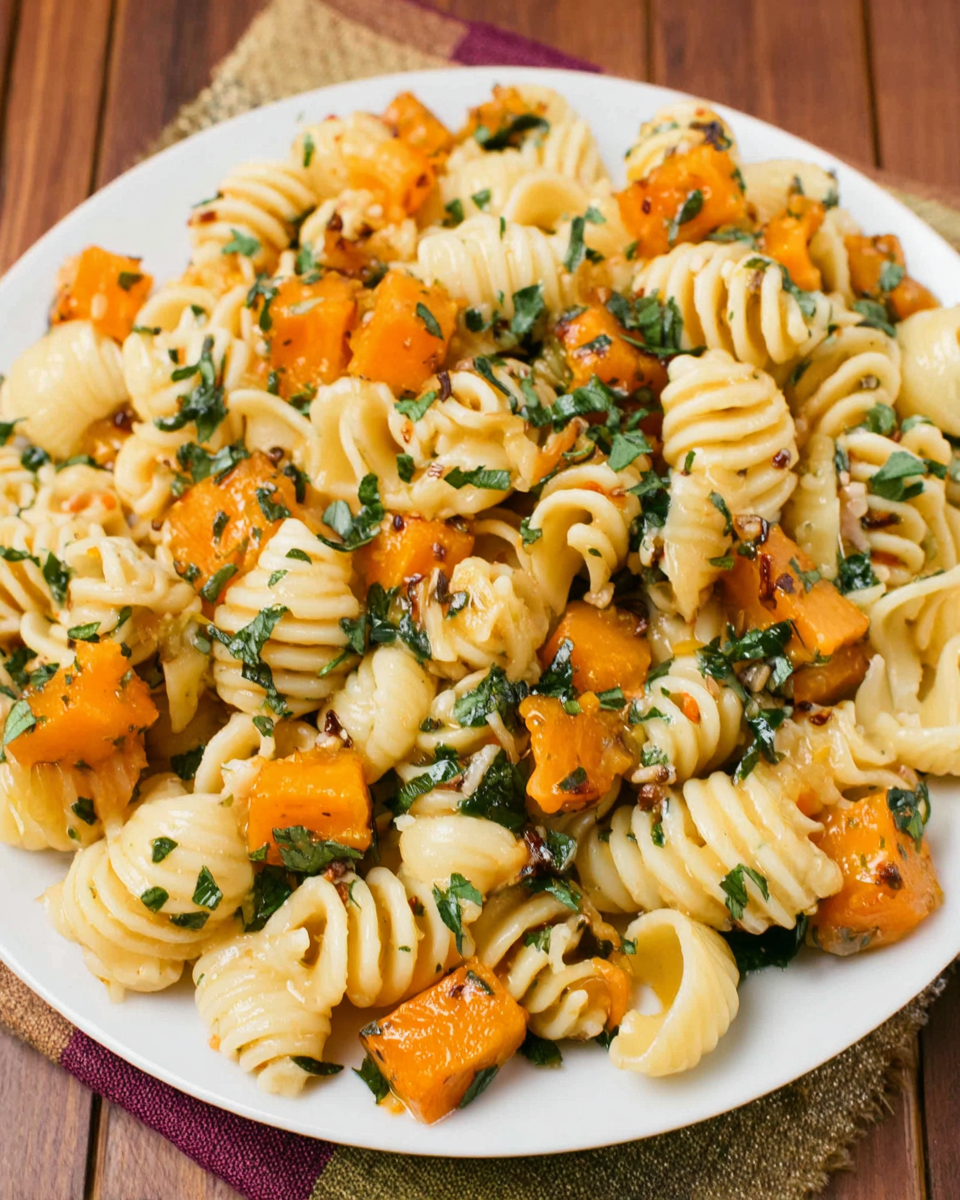
As the chill of autumn sets in, there's nothing quite like a warm, comforting plate of pasta to bring a sense of coziness to your dinner table. This Butternut Squash and Sage Pasta combines the nutty sweetness of roasted squash with the earthy aroma of fresh sage, creating a dish that encapsulates the season's flavors perfectly.
With every bite, you experience the richness of autumn, where the vibrant colors of squash mimic the falling leaves outside. The harmony of textures and tastes in this dish makes it a standout option for family gatherings or a relaxed weeknight dinner.
Simple yet delicious, this pasta dish is sure to leave you feeling satisfied. Whether you’re an experienced home cook or just starting out, the recipe is straightforward, making it a delightful addition to your culinary repertoire this fall.
Ingredients
- 1 medium butternut squash, peeled and cubed
The star of this dish, butternut squash adds a creamy texture and a subtle sweetness once roasted, enhancing the overall flavor profile. - 8 ounces pasta (such as fettuccine or linguine)
The pasta serves as the foundation of the dish, holding onto the sauce and flavors beautifully. - 3 tablespoons olive oil
Olive oil not only helps in roasting the squash but also serves as the base for a rich sauce, contributing healthy fats and a fruity flavor. - 2 cloves garlic, minced
Garlic adds a savory depth to the dish, balancing out the sweetness of the squash and enhancing the overall aroma. - 1/2 cup vegetable broth
Vegetable broth provides moisture and flavor, while also making the sauce cohesive and silky. - 1/2 cup grated Parmesan cheese
Parmesan adds a salty, nutty flavor that complements the sweetness of the squash, rounding off the dish beautifully. - 1/4 cup fresh sage leaves, chopped
Sage is a classic autumn herb that brings warmth and earthiness to the dish, pairing well with the butternut squash. - Salt and pepper to taste
Essential seasonings to enhance the flavors of each ingredient, ensuring a well-balanced dish.
Directions & Preparation
Step 1: Preheat the oven to 400°F (200°C).
Preheating the oven ensures that the butternut squash roasts evenly from the get-go, allowing it to caramelize and develop rich flavors. This is a key step to achieve that sweet, nutty taste that pairs beautifully with pasta.
Step 2: Toss the cubed butternut squash with 2 tablespoons of olive oil, salt, and pepper on a baking sheet.
Coating the squash with olive oil helps to achieve a golden-brown exterior and tender interior during roasting. Seasoning with salt and pepper at this stage will enhance the natural sweetness of the squash.
Step 3: Roast the squash for 25-30 minutes, or until fork-tender and lightly caramelized.
Roasting gives butternut squash a depth of flavor that boiling cannot provide. Look for a caramelized, slightly golden appearance, which indicates that it’s developed a lovely taste.
Step 4: While the squash roasts, cook the pasta according to package directions until al dente. Reserve 1/2 cup of pasta water.
Cooking the pasta al dente ensures that it retains a slight bite, which is essential in a pasta dish. Reserving some pasta water is crucial for adjusting the sauce's consistency.
Step 5: In a large skillet, heat the remaining olive oil over medium heat and sauté the garlic until fragrant, about 1 minute.
Cooking garlic until fragrant releases its aromatic oils, which will infuse the dish with flavor. Careful not to burn it, as it can turn bitter.
Step 6: Add the roasted butternut squash and vegetable broth to the skillet, cooking for an additional 2 minutes.
This step combines the flavors, allowing the squash to absorb the savory notes from the garlic and broth, creating a cohesive sauce.
Step 7: Use a fork to mash some of the squash in the skillet, creating a slightly chunky sauce.
Mashing some of the squash helps to thicken the sauce while still leaving some pieces intact for texture. This gives the dish a comforting, homemade feel.
Step 8: Add the drained pasta to the skillet and toss to combine, adding reserved pasta water as needed for a creamier texture.
This step ensures that the pasta is well-coated in the sauce. The reserved pasta water helps to bind everything together, ensuring that the sauce clings to the pasta.
Step 9: Stir in the chopped sage and grated Parmesan cheese until melted and well mixed.
Both sage and Parmesan will add a burst of flavor at the end, making sure every bite is rich and satisfying. This addition brings a comforting autumn essence to the dish.
Step 10: Serve immediately, garnished with extra Parmesan and sage if desired.
Serving right away allows the flavors to shine, ensuring optimal creaminess and warmth. Garnishing with more cheese and sage enhances visual appeal and flavor.

The Role of Roasting
Roasting butternut squash transforms its natural sweetness, caramelizing the sugars and creating complex flavors. This method enhances not only the taste but also the texture, resulting in a creamy, melt-in-your-mouth element in the pasta dish. The Maillard reaction during roasting gives the squash a depth that boiling simply cannot achieve.
Herb Infusion for Cozy Flavors
The addition of fresh sage elevates this pasta from good to unforgettable. Sage's warm, slightly peppery notes harmonize beautifully with the nutty squash, providing a taste that's reminiscent of autumn. When added at the end, it gives a fresh burst that cuts through the richness, ensuring a well-rounded flavor profile.
Perfect Pairings for Butternut Squash Pasta
This comforting dish pairs beautifully with a simple green salad dressed with lemon vinaigrette or some garlic bread on the side. For a heartier meal, consider serving with roasted Brussels sprouts or a side of sautéed greens. A touch of red wine elevates the dinner experience, enhancing the rich autumnal flavors of the pasta.
FAQs
What if my butternut squash is too hard to cut?
Make sure to use a sharp knife and carefully cut the ends off first to stabilize it. Microwaving the squash for a few minutes can also soften it enough to make slicing easier.
How can I adjust the creaminess of the sauce?
If the sauce turns out too thick, gradually add a little more reserved pasta water until it reaches your desired consistency. Conversely, if it's too thin, let it simmer a bit longer to thicken.
What can I do if the pasta absorbs too much sauce?
If the pasta has absorbed the sauce too much after serving, add a splash of reserved pasta water or vegetable broth while reheating to restore creaminess.
Can I make this dish vegan?
Yes! Substitute the Parmesan cheese with a vegan cheese alternative or nutritional yeast for a similar flavor profile.
What should I do if my garlic burns during sautéing?
If your garlic burns, start over as burnt garlic can impart a bitter taste throughout the dish. Monitor the heat and reduce it to prevent burning next time.
Is it possible to use dried sage instead of fresh?
Dried sage can be used, but use it sparingly—about a teaspoon—as its flavor is more concentrated than fresh sage. Add it earlier in the cooking process for the best results.
Conclusion
This Butternut Squash and Sage Pasta is much more than a mere recipe; it's a celebration of autumn's bounty and a warming embrace on chilly nights. Each element works together to deliver a comforting and satisfying meal that can be made with ease in your own kitchen.
As you savor each bite, allow the cozy flavors to transport you to a tranquil autumn evening. Whether enjoyed solo or shared with loved ones, this dish is sure to become a seasonal favorite in your culinary repertoire.
Recipe Card
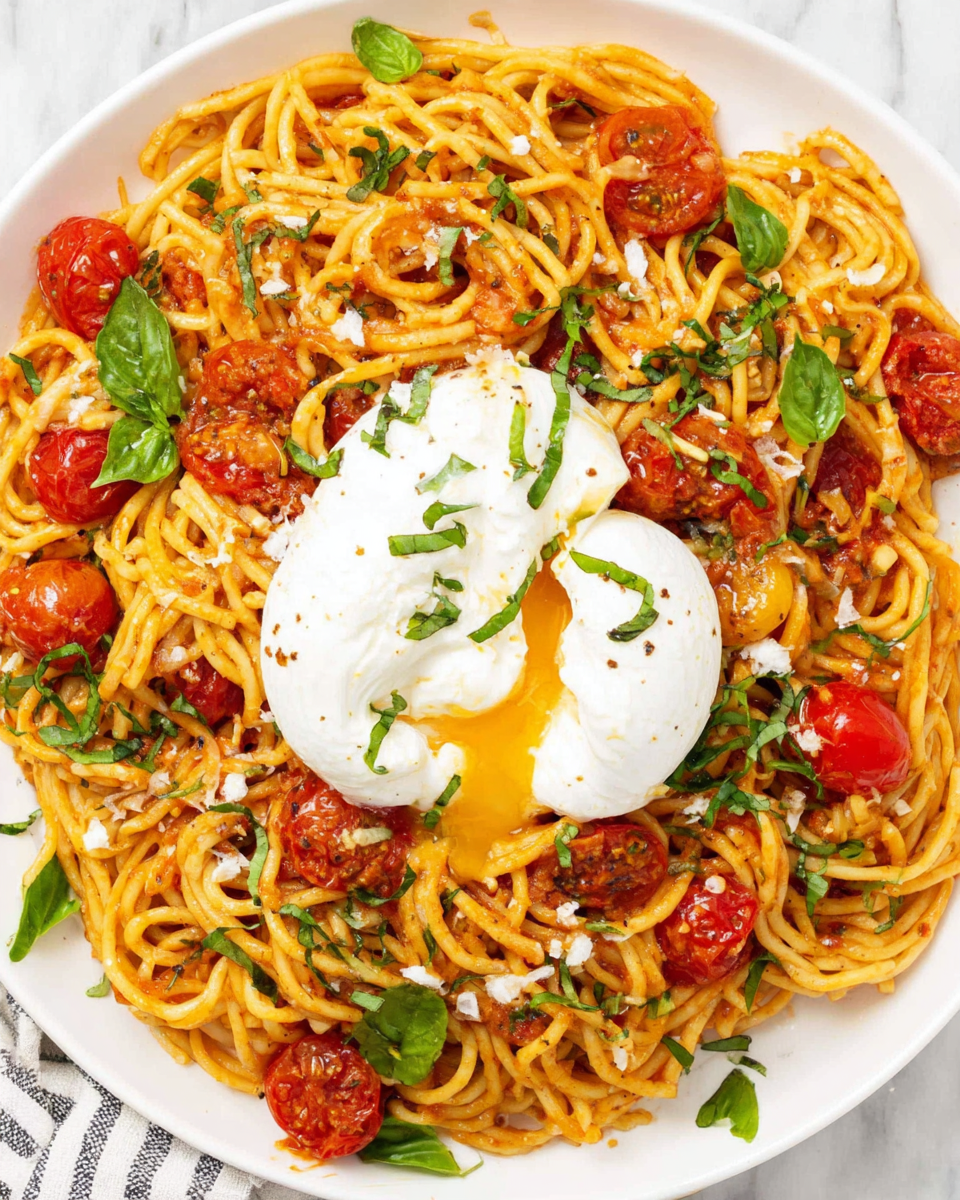
Elevate Your Dinner with Burrata Pasta
Ingredients
Method
- Cook the pasta in salted boiling water until al dente.
- While the pasta cooks, heat olive oil in a large skillet over medium heat.
- Add minced garlic and halved cherry tomatoes to the skillet.
- Cook until tomatoes soften and release juices, about 5-7 minutes.
- Season with salt and pepper, and stir in torn basil leaves.
- Drain the pasta and add it directly to the skillet with the tomato sauce.
- Remove from heat and gently fold in the burrata, breaking it into pieces.
- Serve immediately, garnished with more fresh basil if desired.
Notes
Additional serving suggestions: pair with a crisp salad, garlic bread, or roasted seasonal vegetables for balance.
For make-ahead, prep components separately and assemble just before heating to preserve texture.
Taste and adjust with acid (lemon/vinegar) and salt right at the end to wake up flavors.