Introduction
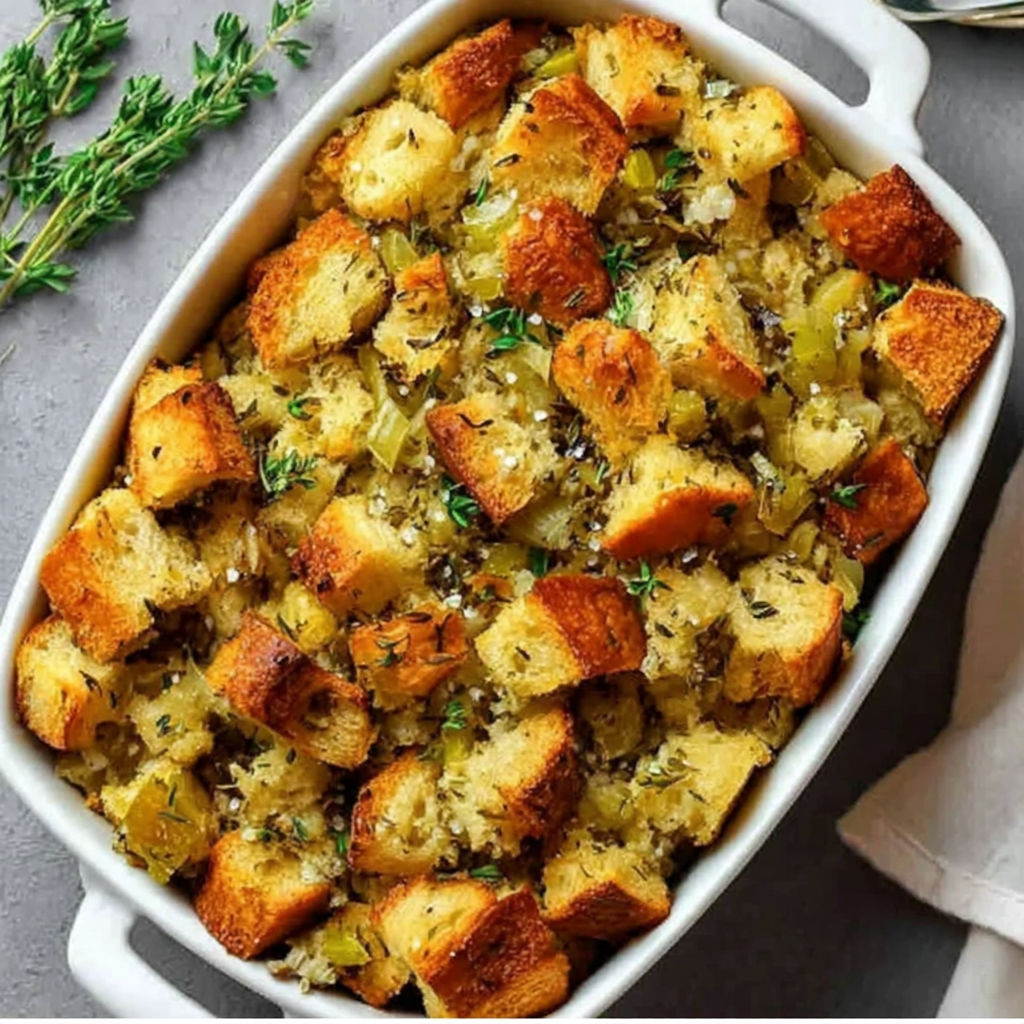
Thanksgiving brings family and friends together, and at the heart of the celebration is the iconic stuffing. This dish transforms simple ingredients into something delightful, filling the home with warm aromas and inviting flavors. Stuffing can be rich and savory, offering a perfect balance of textures and tastes to accompany your turkey.
Whether you prefer a traditional version or one with a twist, the right stuffing enhances the meal, turning each bite into a moment of thanksgiving. While there are many variations, a classic stuffing showcases bread, herbs, and savory additions that make it a beloved staple on many holiday tables. Let's create a stuffing that will linger in memory long after the last plate is cleared.
Ingredients
- 1 loaf of crusty bread (about 1 pound)
Stale or toasted bread absorbs moisture and flavors, providing a sturdy base for the stuffing. The structure of the bread allows it to hold up during cooking while soaking in the aromatic broth. - 1 cup unsalted butter
Butter enriches the stuffing, adding depth and flavor. It helps to sauté vegetables, creating a robust base and a rich mouthfeel in each bite. - 2 cups chopped onion
Onions provide sweetness and complexity, breaking down during cooking to release flavor and moisture. Their savory presence is foundational in many stuffing recipes. - 1 cup chopped celery
Celery adds a subtle crunch and freshness to the stuffing, balancing the richness of the butter and providing an aromatic base that enhances flavor. - 1 tablespoon minced garlic
Garlic infuses the stuffing with a warm, robust flavor. Minced finely, it melds with other ingredients for a harmonious blend. - 2 tablespoons fresh sage, chopped
Sage lends an earthy and slightly peppery note, quintessential in Thanksgiving dishes. Fresh herbs elevate the flavor profile, providing a fragrant aroma. - 1 tablespoon fresh thyme, chopped
Thyme adds a warm, slightly minty flavor that complements the savory elements in the stuffing. It rounds out the dish with its aromatic qualities. - 2 teaspoons salt
Salt enhances the natural flavors of the ingredients, ensuring that the stuffing is seasoned perfectly. It's essential to balance the flavors without overpowering them. - 1 teaspoon black pepper
Black pepper adds a subtle heat and depth to the stuffing. It enlivens the taste, making each bite more complex. - 4 cups low-sodium chicken or vegetable broth
Broth hydrates the bread and ingredients, infusing them with flavor. Low-sodium options help control the overall saltiness while maintaining richness. - 2 large eggs, beaten
Eggs act as a binding agent, helping the stuffing hold its shape while adding richness. They create a cohesive texture that is moist yet firm. - 1 cup dried cranberries or raisins (optional)
Dried fruits introduce a sweet contrast, enhancing the savory elements and adding pops of sweetness that make stuffing festive and flavorful.
Directions & Preparation
Step 1: Preheat your oven to 350°F (175°C).
Preheating the oven ensures that your stuffing cooks evenly and thoroughly. Starting with a properly heated oven allows for effective browning, creating that desirable crust on top while keeping the interior moist.
Step 2: Cut the bread into 1-inch cubes and let it dry overnight, or toast in the oven for 10-15 minutes until golden.
Allowing bread to dry is crucial for achieving the right texture. Fresh bread may turn mushy when mixed with broth. Dried or toasted bread cubes will absorb liquid and flavor without breaking down, yielding a well-structured stuffing.
Step 3: In a large skillet, melt the butter over medium heat and sauté onions and celery for about 5-7 minutes until softened.
Sautéing the onions and celery in butter enhances their natural sweetness and flavors. This step develops a savory base that forms the flavor backbone of your stuffing.
Step 4: Add garlic, sage, thyme, salt, and pepper to the skillet; cook for an additional 2 minutes until fragrant.
Cooking the garlic and herbs releases their essential oils, intensifying the aromatic qualities of the dish. It's important not to burn the garlic; this step enhances the flavor complexity.
Step 5: Transfer the sautéed mixture to a large mixing bowl and add the bread cubes, tossing gently to combine everything evenly.
Combining the bread with the vegetable mixture ensures that every cube is coated in flavor. Gently tossing prevents the bread from becoming overly crushed, maintaining a light and airy texture.
Step 6: Pour in the broth gradually, mixing until the bread is moistened, but not soggy.
Adding broth gradually allows you to control the consistency of your stuffing. Aim for a balance where the bread is moist but not overly wet, which would lead to a mushy result.
Step 7: Stir in the beaten eggs and dried fruit if using, ensuring everything is well incorporated.
The beaten eggs help bind the stuffing together while also adding richness. Dried fruit can elevate the dish’s flavor, but it's essential to mix well to distribute evenly.
Step 8: Transfer the stuffing to a greased baking dish, spreading it out evenly, and cover with foil.
Spreading the stuffing helps it cook evenly. Covering with foil traps moisture, ensuring the center cooks thoroughly before browning the top.
Step 9: Bake covered for 30 minutes, then remove the foil and bake for an additional 15-20 minutes until golden brown.
Baking with the foil keeps the stuffing moist while allowing it to steam. Removing the foil towards the end encourages browning, creating a desirable crispy top layer that contrasts beautifully with the soft interior.
Step 10: Let the stuffing cool for a few minutes before serving to allow it to set.
Allowing the stuffing to rest for a few minutes helps it firm up, making it easier to serve. This step also enhances its flavors as they meld together during the cooling process.

Embrace Flavor Variations in Your Stuffing
While traditional stuffing has its merits, feel free to explore various flavor combinations. Consider adding nuts for crunch, apples for sweetness, or sausage for a heartier touch. Each addition can enhance the overall flavor profile, making your stuffing a true reflection of your family’s tastes.
Key to Perfect Texture: Control Your Liquid
Striking the right balance in liquid is crucial for optimal stuffing texture. Too little broth can lead to dry stuffing, while too much can turn it into a mushy mixture. Make sure to add the broth gradually and observe the consistency, adapting to achieve a perfect moist yet airy stuffing.
The Art of Two Stages Baking
Baking your stuffing in two stages is essential for achieving the ideal balance of moistness and golden crust. Initially covering the dish traps steam to cook through the center, while the uncovered bake promotes browning that adds a deliciously crispy texture on top. This technique ensures a delightful eating experience.
FAQs
What if my stuffing turns out too wet?
If your stuffing is too wet, try baking it for a bit longer uncovered to evaporate excess moisture. Stirring gently can also help distribute moisture more evenly.
Can I scale this recipe for a smaller group?
Absolutely! You can halve the ingredients to adjust the quantity while maintaining the same proportions. Consider using a smaller baking dish to ensure even cooking.
What if my stuffing lacks flavor?
If the stuffing tastes bland, try boosting it with more herbs or spices, or consider sautéing the vegetables longer to deepen their flavors before mixing it with the bread.
How do I know when my stuffing is done?
The stuffing is done when the top is golden brown and a toothpick inserted into the center comes out clean. Additionally, it should feel firm, not mushy.
Can I make stuffing without eggs?
Yes, if you want to avoid eggs, substitute with a flaxseed mixture or add an additional layer of broth to help bind it together without compromising texture.
How can I incorporate mushrooms into my stuffing?
Mushrooms can enhance the flavor profile wonderfully. Sauté them along with the onions and celery until nicely browned, then mix into the stuffing.
Conclusion
Thanksgiving stuffing is more than just a side dish; it's a cherished tradition that enhances the festive spirit. With the right blend of ingredients and attention to detail, your stuffing can be the star of the meal. Explore variations, find what best suits your palate, and create a stuffing that’s distinctly yours.
As you prepare for this Thanksgiving, take pride in crafting a delicious stuffing that embodies your family's love for togetherness. Enjoy the process, and may it bring joy and warmth to your holiday table.
Recipe Card
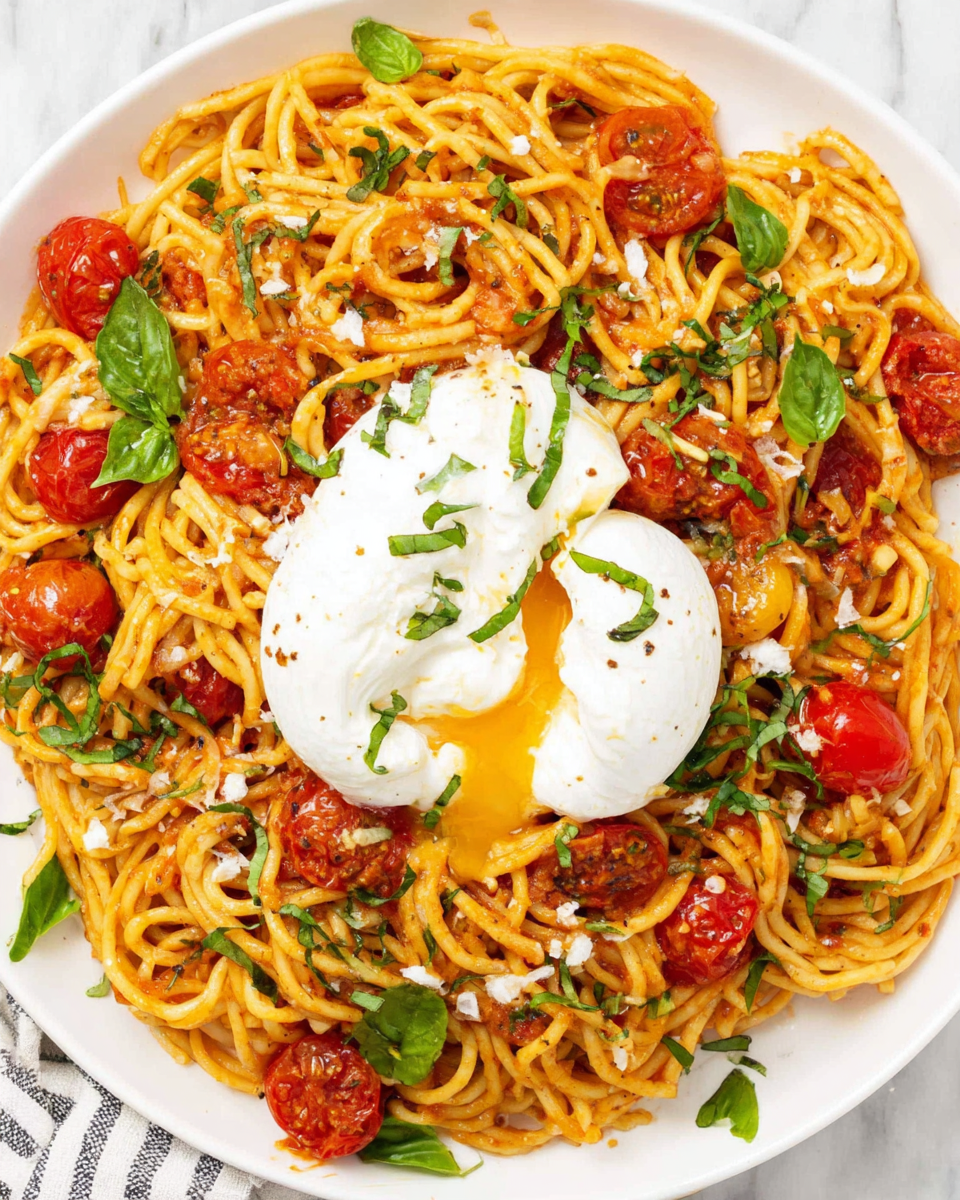
Elevate Your Dinner with Burrata Pasta
Ingredients
Method
- Cook the pasta in salted boiling water until al dente.
- While the pasta cooks, heat olive oil in a large skillet over medium heat.
- Add minced garlic and halved cherry tomatoes to the skillet.
- Cook until tomatoes soften and release juices, about 5-7 minutes.
- Season with salt and pepper, and stir in torn basil leaves.
- Drain the pasta and add it directly to the skillet with the tomato sauce.
- Remove from heat and gently fold in the burrata, breaking it into pieces.
- Serve immediately, garnished with more fresh basil if desired.
Notes
Additional serving suggestions: pair with a crisp salad, garlic bread, or roasted seasonal vegetables for balance.
For make-ahead, prep components separately and assemble just before heating to preserve texture.
Taste and adjust with acid (lemon/vinegar) and salt right at the end to wake up flavors.