Introduction
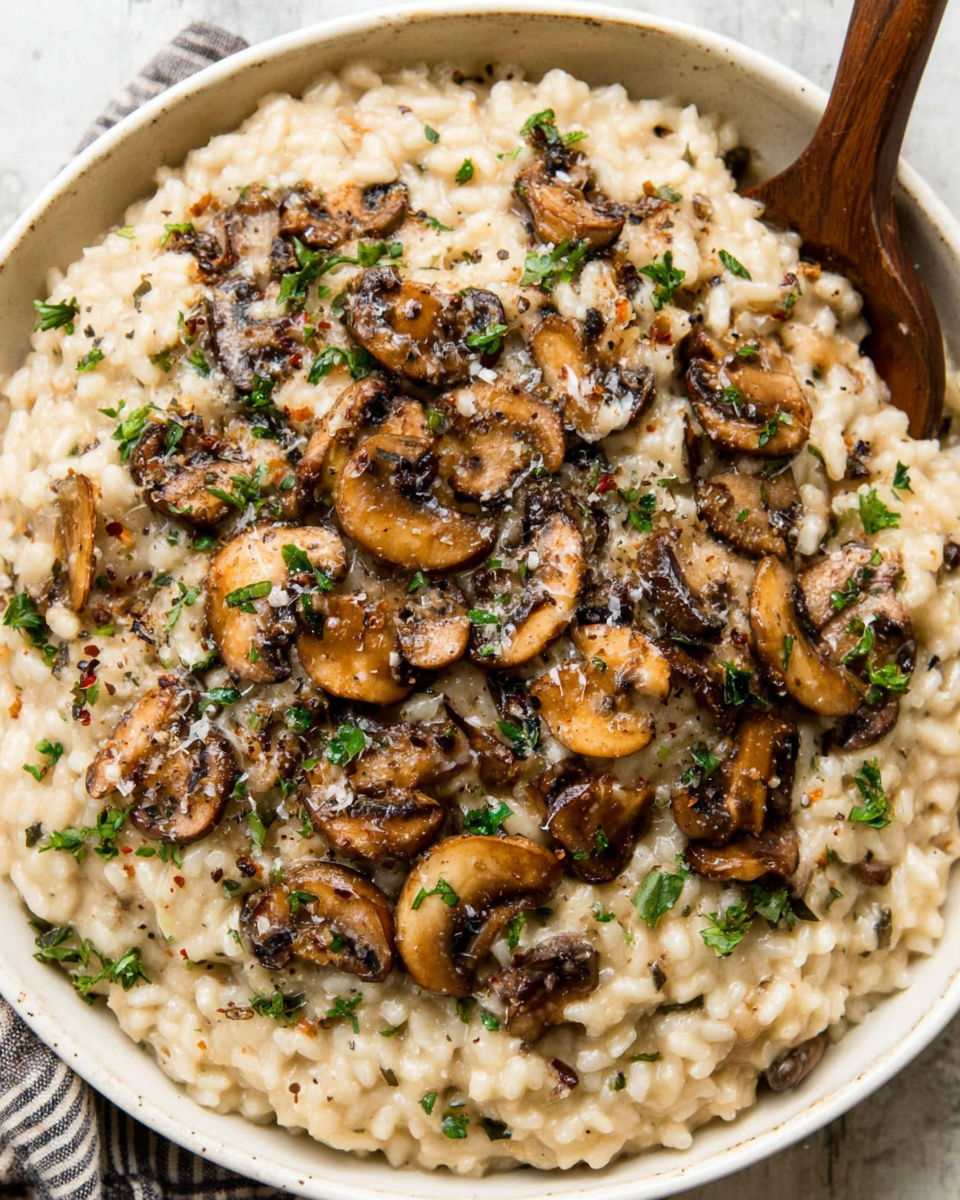
A warm, comforting bowl of wild mushroom risotto can transform an ordinary day into something extraordinary. This dish, celebrated for its creamy texture and rich flavor, captures the essence of Autumn with each bite. For home cooks, preparing risotto may seem daunting, but it is truly a rewarding experience that allows for hands-on creativity and experimentation.
The key to a perfect risotto lies in the technique, patience, and quality of ingredients. Each creamy spoonful is not merely a meal but a celebration of seasonal produce and thoughtful cooking. With this simple recipe, you can elevate your culinary repertoire and impress your loved ones with a meal straight from a fine dining restaurant.
Ingredients
- 1 cup Arborio rice
Arborio rice is essential for risotto thanks to its high starch content, which creates that characteristic creamy texture when cooked. Its ability to absorb liquid while maintaining a slight al dente bite makes it the go-to choice for this dish. - 4 cups vegetable or chicken broth
Broth infuses flavor into the risotto as it cooks. Using homemade or high-quality store-bought broth will deepen the overall taste of the dish, enhancing the mushroom's earthy flavors. - 2 tablespoons olive oil
Olive oil serves as the base for sautéing ingredients, adding a layer of richness and healthy fats. It helps to meld the flavors and provides a fragrant start to the cooking process. - 1 medium onion, finely chopped
Onions add a sweet, aromatic foundation to the risotto. When sautéed, they soften and caramelize, giving the dish a depth of flavor. - 2 garlic cloves, minced
Garlic brings an enticing aroma and a hint of warmth to the risotto. Its bold flavor complements the mildness of the rice and enhances the overall taste profile of the dish. - 2 cups wild mushrooms (such as chanterelles or shiitake), cleaned and sliced
Wild mushrooms offer a complex, earthy flavor that elevates the risotto. Their texture contrasts beautifully with the creamy rice, making each bite a delightful experience. - 1/2 cup dry white wine
Wine adds acidity and brightness to the risotto, balancing richness. The alcohol evaporates during cooking, leaving behind a sophisticated flavor. - 1/2 cup grated Parmesan cheese
Parmesan cheese lends creaminess and umami to the dish. Adding it towards the end of cooking gives a rich, satisfying finish. - Salt and pepper to taste
Seasoning is vital for enhancing the natural flavors of the ingredients. Adjusting salt and pepper to your preference ensures a well-balanced risotto. - Fresh parsley, chopped, for garnish
A sprinkle of freshly chopped parsley not only adds a pop of color but also a fresh herbaceous note that brightens the dish.
Directions & Preparation
Step 1: Heat the broth in a saucepan over low heat, keeping it warm throughout the cooking process.
Warming the broth ensures that the temperature remains consistent when added to the rice, preventing the cooking process from stalling. This allows for even and thorough cooking of the rice.
Step 2: In a large skillet, heat olive oil over medium heat and add the chopped onion.
Sautéing the onion until translucent, about 5 minutes, mellows its sharpness and brings out natural sweetness. This forms the aromatic base of your risotto, setting the stage for the flavors to develop.
Step 3: Add minced garlic and sliced wild mushrooms to the skillet, cooking until the mushrooms are tender and slightly browned.
This step adds layers of flavor while ensuring the mushrooms release their moisture and deepen in flavor as they brown. Stirring constantly prevents burning and encourages even cooking.
Step 4: Stir in the Arborio rice, coating it in the oil and mushroom mixture, toasting it for about 2 minutes.
Toasting the rice kicks off its cooking process, enhancing its nutty flavor and preparing it to absorb liquid efficiently. This step is crucial for achieving a creamy end result.
Step 5: Pour in the white wine, stirring until it is absorbed by the rice.
Deglazing the pan with wine allows for any sticky bits of flavor to release, enriching the dish. The wine's acidity balances the richness of the risotto as it cooks.
Step 6: Begin adding the warm broth one ladle at a time, stirring constantly until absorbed before adding more.
This gradual addition of liquid allows the rice to release starch and creates the creamy texture characteristic of risotto. Stirring constantly ensures even cooking and prevents sticking.
Step 7: Continue adding broth until the rice is al dente, about 18-20 minutes.
Tasting is essential at this stage—the risotto should be creamy yet have a bit of firmness. Avoid overcooking as the rice should retain some bite for the best textural contrast.
Step 8: Remove from heat and stir in the grated Parmesan cheese, seasoning with salt and pepper to taste.
The cheese adds a luxurious creaminess and depth, elevating the overall flavor. Adjusting seasoning at this stage ensures your risotto is perfectly balanced.
Step 9: Let the risotto sit for a couple of minutes before serving, garnishing with fresh parsley.
Allowing the dish to rest helps the flavors meld even further, and garnishing brightens the presentation. This pause also allows for the risotto to thicken slightly, enhancing its creamy quality.

Choosing the Right Mushrooms for Risotto
Wild mushrooms come in various shapes and flavors, each bringing something unique to your dish. For a complex flavor profile, consider using a mix of mushrooms like shiitake, chanterelles, or oyster mushrooms. Depending on the season, you can even explore foraged varieties. Their earthy taste will elevate your risotto, but always ensure they are fresh and thoroughly cleaned before cooking.
The Art of Stirring: Why It Matters
Stirring is crucial to developing the creamy texture of risotto. As you gently stir the rice, the grains rub against each other, releasing starch that thickens the liquid. This process, known as agitation, creates that unctuous mouthfeel risotto lovers crave. It also prevents the rice from sticking to the pan, ensuring an evenly cooked dish.
Enhancing Flavors with Seasonal Ingredients
Combining seasonal ingredients in your risotto gives it vibrant flavors and nutrition. As vegetables change with the seasons, consider adding peas in spring or squash in the fall. These additions not only enhance the taste but also boost the dish’s color and visual appeal, making your risotto a delightful centerpiece for any meal.
FAQs
What if my risotto turns out too thick?
If your risotto is too thick, simply stir in extra warm broth or water a little at a time until it reaches your desired consistency. Be cautious not to make it too watery.
Can I use different types of rice?
While Arborio is traditional, you can also experiment with Carnaroli or Vialone Nano for great results. Each type has its unique texture and creaminess.
What if my mushrooms release too much water?
If your mushrooms release too much water and make the risotto soupy, increase the heat for a few minutes to allow excess liquid to evaporate while continuing to stir.
How can I adjust the flavor if it's bland?
If your risotto lacks flavor, consider enhancing it with more salt, a splash of lemon juice, or additional Parmesan. Tasting as you go will help find the right balance.
Can I add protein to my risotto?
Absolutely! Cooked chicken, shrimp, or peas can be added towards the end of cooking. Ensure any protein is pre-cooked to make the integration seamless.
What should I do if I can’t find wild mushrooms?
If wild mushrooms are unavailable, substitute with a mix of cremini and button mushrooms. They’re more readily available and still provide great flavor.
Conclusion
Making a simple wild mushroom risotto is not just about following a recipe; it's about engaging with your ingredients and discovering new flavors. With patience and practice, you will master this art and create a dish that warms the heart and delights the palate.
Serve it as a main dish or alongside roasted proteins, and watch your guests enjoy every bite. Experiment with different mushrooms and seasonal vegetables, allowing you to customize this dish to your tastes and those of your diners.
Recipe Card
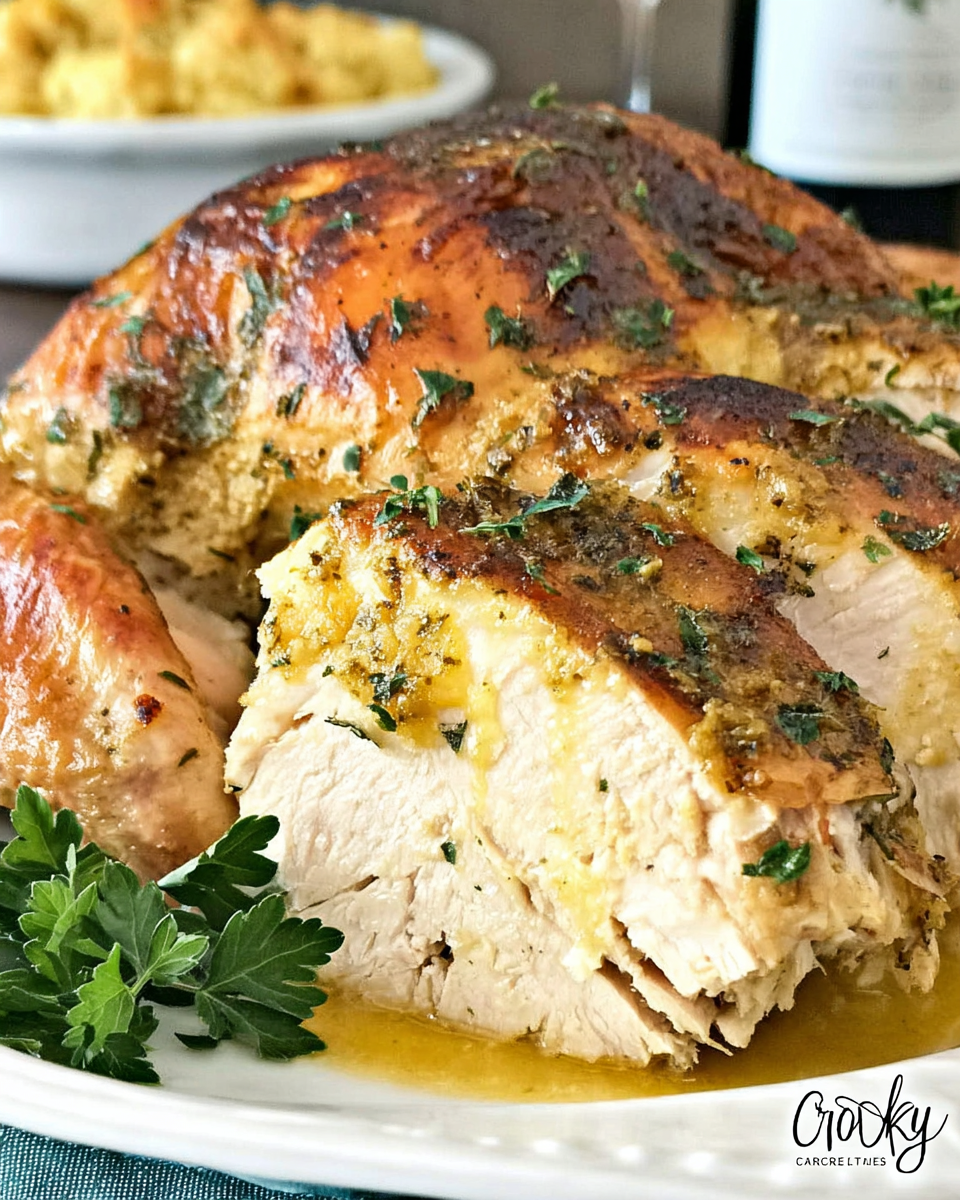
Tender and Flavorful Crockpot Turkey Breast Recipe
Ingredients
Method
- Prepare the crockpot.
- Season the turkey.
- Add the turkey to the crockpot.
- Pour in the chicken broth.
- Cover and cook.
- Check for doneness.
- Rest the turkey.
- Slice and serve.
Notes
Additional serving suggestions: pair with a crisp salad, garlic bread, or roasted seasonal vegetables for balance.
For make-ahead, prep components separately and assemble just before heating to preserve texture.
Taste and adjust with acid (lemon/vinegar) and salt right at the end to wake up flavors.