Introduction
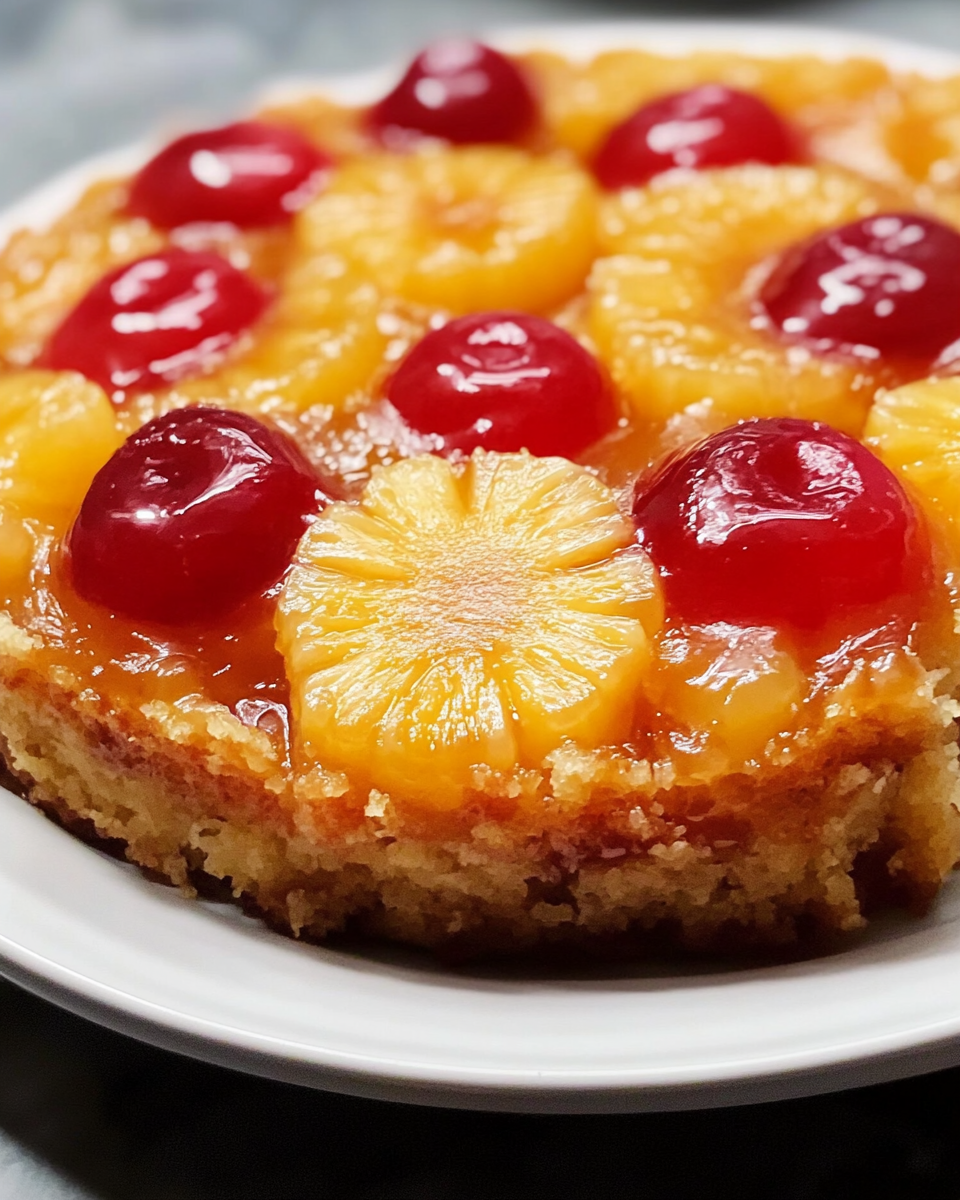
Pineapple Upside Down Cake is a classic dessert that perfectly balances sweetness with a hint of tartness. With its caramelized pineapple topping and moist, flavorful cake, it has captivated sweet-toothed individuals for generations. This cake not only fills your kitchen with enticing aromas but also makes for an impressive centerpiece at gatherings.
The beauty of Pineapple Upside Down Cake lies in its simplicity and the heartwarming memories it evokes. Each slice showcases the vibrant, caramelized fruit, making it a delightful visual treat. Whether you're a novice baker or a seasoned home cook, this cake offers an engaging baking experience and a rewarding payoff.
Ingredients
- 1/2 cup unsalted butter
Unsalted butter adds richness and moisture to the cake. It also helps create a tender crumb when creamed with sugar. - 1 cup packed brown sugar
Brown sugar not only sweetens the cake but adds a deeper flavor and a moist texture thanks to its molasses content. - 1 can (20 oz) sliced pineapple
Canned pineapple provides both the signature flavor and moisture, while the syrup helps create a luscious base for the fruit topping. - Maraschino cherries, for garnishing
These cherries add a pop of color and sweetness, enhancing the visual appeal and balancing the tartness of the pineapple. - 1 1/2 cups all-purpose flour
Flour forms the structure of the cake, giving it stability and a light texture when combined with other ingredients. - 1 tsp baking powder
Baking powder is a leavening agent that helps the cake rise and develop a light, airy crumb. - 1/4 tsp salt
Salt enhances the overall flavor of the cake, balancing sweetness and bringing out the flavors of the other ingredients. - 1/4 cup granulated sugar
Granulated sugar sweetens the cake while also contributing to its lightness and texture when creamed with butter. - 1 large egg
The egg binds the ingredients together, providing structure and moisture to the cake. - 1/2 cup milk
Milk adds moisture and richness, ensuring the cake remains soft and tender while also helping to achieve the desired batter consistency.
Directions & Preparation
Step 1: Preheat your oven to 350°F (175°C) and prepare your pan.
Preheating the oven ensures that the cake bakes evenly, achieving a perfect rise. Greasing the bottom and sides of the pan with butter or cooking spray prevents the cake from sticking, which is crucial for an upside-down cake.
Step 2: Melt the butter and brown sugar in your cake pan over low heat.
Melting the butter and brown sugar together creates a caramel-like syrup in which the pineapple slices will sit. This step is important as it forms the luscious topping that will later be inverted onto the cake.
Step 3: Arrange the pineapple slices and cherries in the pan.
Designing the topping with pineapple slices and cherries is your chance to be creative. The juices from the pineapple will seep into the cake during baking, contributing to its flavor and moisture.
Step 4: In a separate bowl, whisk together the flour, baking powder, and salt.
Combining dry ingredients beforehand ensures that the baking powder is evenly distributed throughout the flour, promoting uniform rising and preventing any one portion of the cake from being too dense.
Step 5: In another bowl, cream together the melted butter and granulated sugar until fluffy.
This step incorporates air into the batter, which is essential for achieving a light texture in the cake. A well-creamed mixture will enhance the rise, resulting in a tender crumb.
Step 6: Add the egg and mix until combined, then stir in the milk.
Incorporating the egg adds richness and acts as a binder, while the milk provides moisture. Mixing thoroughly at this stage ensures that the ingredients meld together seamlessly for a silky batter.
Step 7: Gradually add the dry mixture to the wet mixture, stirring until just combined.
Overmixing can lead to a dense cake; stirring until just combined allows for the development of a light and fluffy texture. You want a smooth batter without visible flour.
Step 8: Pour the batter over the pineapple arrangement in the pan, smoothing the top evenly.
Ensuring the batter covers the pineapple evenly helps with even baking and prevents any exposed fruit from burning. Smooth the surface for a more uniform appearance.
Step 9: Bake for 30-35 minutes or until a toothpick comes out clean.
Checking for doneness at this point ensures that the cake is perfectly baked without being dry. The toothpick test is reliable; just insert it into the center of the cake for the best indication.
Step 10: Let the cake cool for a few minutes before inverting it onto a serving platter.
Allowing the cake to cool slightly helps firm it up, making it less likely to break apart when inverted. This step is key for retaining the beautiful pineapple topping.

Choosing the Right Pineapple
Selecting the best pineapple is crucial for a successful upside down cake. Freshly cut pineapple offers a vibrant flavor and juicy texture, while canned pineapple provides convenience and consistent sweetness. Regardless of your choice, always ensure the fruit is ripe. If using fresh, look for a fragrant scent and a slight give when pressed.
Creating the Perfect Caramel Base
The caramelized base of the cake is what elevates it to another level. Melting brown sugar and butter together creates a rich, sticky syrup that caramelizes during baking. For added depth, consider incorporating a splash of rum or vanilla extract into the caramel mixture before layering the pineapple, enhancing the flavor profile.
Presentation Tips for Serving
Presentation can transform this classic dessert into a showstopper. Once inverted, dust the cake with powdered sugar or drizzle with a simple glaze for an elegant touch. Serve with a dollop of whipped cream or a scoop of vanilla ice cream, allowing the warm flavors of the cake to harmonize beautifully with the cool creaminess.
FAQs
What can I do if my cake is too thick?
If the batter seems too thick, you can add a tablespoon or two of milk to loosen it. This will help create a smoother and pourable batter without compromising the texture.
Why is my cake not rising?
If your cake doesn't rise properly, check if your baking powder is fresh. Old leavening agents can cause cakes not to rise as expected. Additionally, ensure you’re not overmixing the batter, which can lead to denser cakes.
Can I use brown sugar for the cake batter?
Yes, you can substitute granulated sugar with brown sugar in the cake batter for a deeper flavor and additional moisture. Just keep the same volume measurement.
What if the pineapple topping sticks to the pan?
To prevent sticking, ensure the pan is well-greased before adding the butter and brown sugar. If it sticks, run a knife around the edges and warm the pan slightly on the stove to loosen the cake.
Is it possible to make this cake in a bundt pan?
Absolutely! You can make pineapple upside down cake in a bundt pan. Just arrange the pineapple and cherries in the bottom first, pour in the batter, and adjust baking time slightly as needed.
Can I use fresh pineapple instead of canned?
Yes, fresh pineapple can be used instead of canned. Just ensure it's fully ripe for the best flavor and texture. Cut it into even slices for uniform baking.
Conclusion
Baking a Pineapple Upside Down Cake is not just about creating a delicious dessert; it's about making lasting memories in the kitchen. Each step plays a vital role in the final outcome, from selecting your ingredients to the delight of unveiling the cake at the table.
As you enjoy your slice of this delightful treat, remember that each bite is a culmination of your effort and creativity. Embrace the joy of baking, relish the flavors, and don’t hesitate to share this classic dessert with family and friends.
Recipe Card

Delicious Pineapple Upside Down Cake for Home Bakers
Ingredients
Method
- Preheat your oven to 350°F (175°C) and prepare your pan.
- Melt the butter and brown sugar in your cake pan over low heat.
- Arrange the pineapple slices and cherries in the pan.
- In a separate bowl, whisk together the flour, baking powder, and salt.
- In another bowl, cream together the melted butter and granulated sugar until fluffy.
- Add the egg and mix until combined, then stir in the milk.
- Gradually add the dry mixture to the wet mixture, stirring until just combined.
- Pour the batter over the pineapple arrangement in the pan, smoothing the top evenly.
- Bake for 30-35 minutes or until a toothpick comes out clean.
- Let the cake cool for a few minutes before inverting it onto a serving platter.
Notes
Additional serving suggestions: pair with a crisp salad, garlic bread, or roasted seasonal vegetables for balance.
For make-ahead, prep components separately and assemble just before heating to preserve texture.
Taste and adjust with acid (lemon/vinegar) and salt right at the end to wake up flavors.