Introduction
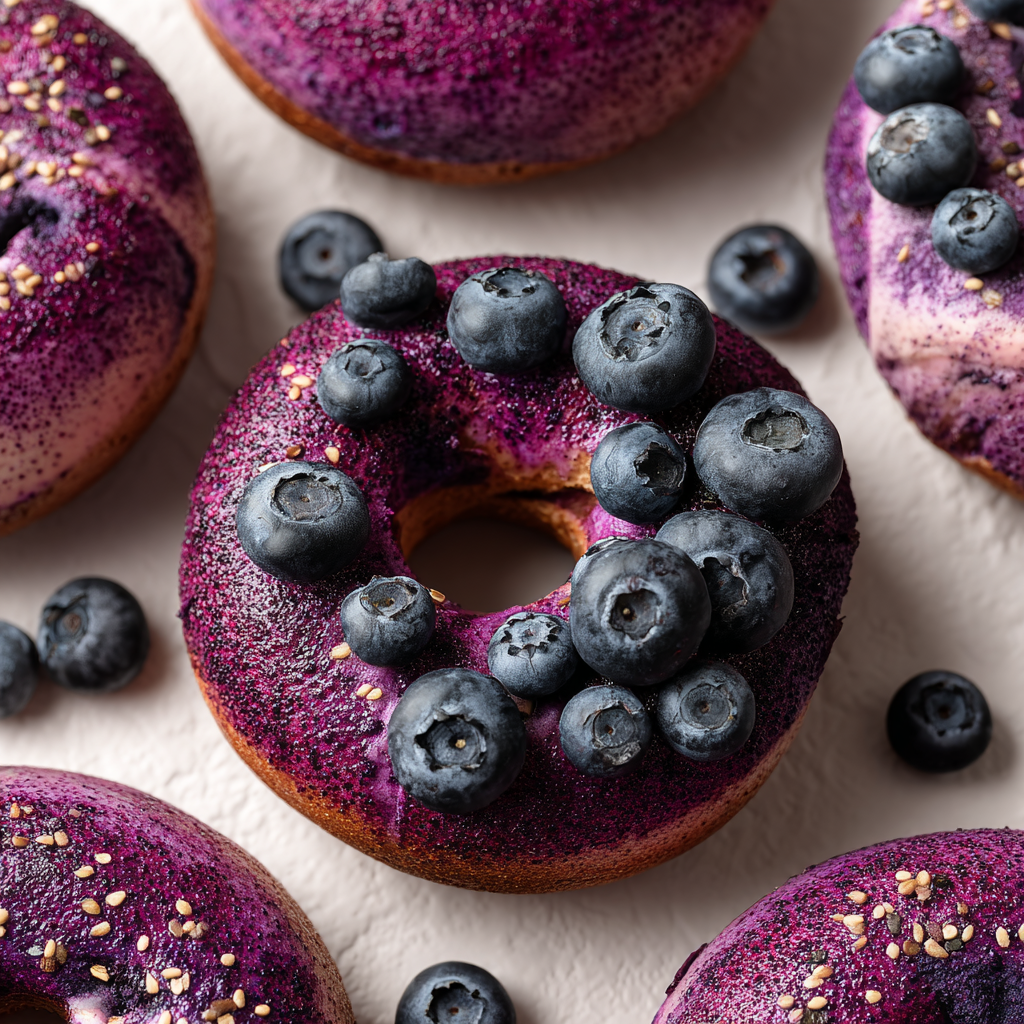
There’s nothing quite like the warm, chewy texture of a freshly baked bagel. When you add the sweet burst of blueberries, the experience becomes even more delightful. Homemade blueberry bagels offer not only a taste sensation but also the satisfaction of crafting something special from scratch.
Making bagels at home might seem intimidating, but with a few simple steps, you can bake a perfect batch that’s as good as any bakery. Infused with fresh blueberries, these bagels provide a lovely balance of flavors, making them a great choice for breakfast, a snack, or brunch gatherings with friends.
Ingredients
- 4 cups all-purpose flour
All-purpose flour forms the foundation of the bagel, providing the necessary gluten structure to give them their signature chewiness. It's important to use unbleached flour for the best results, as it offers a stronger gluten network. - 1 packet (2 1/4 teaspoons) active dry yeast
Yeast is essential for fermentation and leavening. It causes the dough to rise and develop flavor. Proofing the yeast ensures it's active, leading to fluffy, airy bagels. - 1 cup warm water (110°F)
Warm water activates the yeast and helps with gluten development. The temperature is crucial: too hot could kill the yeast, while too cold might not activate it properly. - 2 tablespoons granulated sugar
Sugar feeds the yeast and adds a hint of sweetness to the dough. It also contributes to browning during baking, giving your bagels a nice golden crust. - 1 teaspoon salt
Salt is vital for flavor enhancement and strengthens the dough’s structure. It helps control yeast fermentation and adds a subtle depth to the bagel's taste. - 1 cup fresh blueberries
Blueberries bring a burst of natural sweetness and moisture to the bagels, creating a delightful contrast to the doughy texture. Ensure they're well-hidden in the dough to prevent bursting during baking. - 1 tablespoon baking soda (for boiling)
Boiling the bagels in a baking soda solution helps to develop their chewy texture and gives them a shiny surface. It's a key step in achieving that classic bagel bite.
Directions & Preparation
Step 1: Proof the yeast by combining warm water, sugar, and yeast. Let it sit for about 10 minutes until foamy.
Proofing the yeast is a critical step as it ensures that the yeast is alive and ready to work. The foam indicates that the yeast is active, which means your bagels will rise properly.
Step 2: In a large bowl, combine flour and salt. Create a well in the center and pour in the yeast mixture.
Mixing the flour and salt before adding the liquid ensures even distribution of the salt throughout the dough. Creating a well helps concentrate the moisture, making the mixing process easier.
Step 3: Gradually mix the ingredients until a shaggy dough forms. Knead the dough for about 10 minutes until smooth and elastic.
Kneading develops gluten, which is essential for the bagel's structure. The dough should become pliable and elastic; if it’s too sticky, you may need to add a bit more flour.
Step 4: Gently fold in the blueberries, being careful not to crush them.
Folding in the blueberries rather than mixing vigorously preserves their shape, ensuring you’ll have whole berries in your bagels rather than mushy bits.
Step 5: Shape the dough into a ball and place it in a lightly greased bowl. Cover with a kitchen towel and let it rise until doubled in size, about 1 to 1.5 hours.
Allowing the dough to rise develops flavor and texture. The warm environment helps the yeast ferment, creating gas bubbles that make the dough fluffy.
Step 6: Once risen, punch down the dough and divide it into 8 equal pieces. Shape each piece into a bagel by rolling it into a rope and connecting the ends.
Shaping the bagels correctly is key for uniform cooking and appearance. Make sure to seal the ends well to prevent them from splitting during boiling.
Step 7: Preheat your oven to 425°F (220°C). Boil a large pot of water with baking soda. Boil each bagel for 1-2 minutes on each side.
Boiling the bagels before baking creates the desired chewy texture and promotes a shiny crust. The baking soda increases the alkalinity of the water, enhancing browning.
Step 8: Transfer boiled bagels to a baking sheet lined with parchment paper. Optionally, sprinkle with coarse salt or additional blueberries.
Adding toppings not only enhances the flavor but also contributes to the visual appeal of your bagels. Make sure the bagels are well-drained before placing them on the baking sheet.
Step 9: Bake in the preheated oven for 20-25 minutes or until golden brown.
Baking at a high temperature ensures that the bagels develop a crust while remaining soft inside. Monitor them closely towards the end of baking to prevent over-browning.
Step 10: Let them cool on a rack before serving to allow the texture to set.
Cooling allows the steam to escape, preventing sogginess. This also helps to firm up the bagel, enhancing that hearty chewiness that defines a great bagel.

Adding a Twist with Cinnamon and Sugar
If you’re looking to elevate your blueberry bagels, consider adding a touch of cinnamon and sugar to the dough. This combination brings warmth and sweetness, contrasting beautifully with the tartness of the berries. A sprinkle of cinnamon sugar on top before baking can also create a delightful crust, giving each bite a sweet, spiced aroma.
Perfecting the Boiling Technique
The boiled bagel method is critical in achieving that iconic chewy texture. By allowing the bagels to cook in a baking soda bath, you're not only enhancing flavor but also modifying the bagel’s surface chemistry for that delicious crust. Keep the water at a rolling boil while batch boiling to maintain consistent results.
Experimenting with Flavor Variations
Beyond blueberries, the world of homemade bagels is ripe for experimentation. You can mix in other fruits like raspberries or chocolate chips for a delightful variation. Alternatively, seasoned toppings such as garlic or onion can give your bagels a savory twist. Every change you make can turn a classic recipe into a personal favorite.
FAQs
What can I do if the dough is too sticky?
If your dough feels too sticky, gradually incorporate more flour, a tablespoon at a time, during the kneading process. Ensure that while doing so, you don't overdo it; the dough should remain slightly tacky.
What if my bagels taste bland?
If your bagels lack flavor, consider increasing the amount of salt in the dough or adding more sugar for sweetness. Additionally, toppings like coarse salt or cinnamon sugar can enhance flavor.
Can I use frozen blueberries instead of fresh?
Yes, frozen blueberries can be used, but make sure to gently fold them in while still frozen to avoid bleeding and to prevent affecting the dough's texture.
How do I fix my bagels if they turned out too tough?
If your bagels are too tough, it may be due to over-kneading or over-boiling. For next time, decrease the kneading time and boil just until they puff up.
Can I substitute whole wheat flour for all-purpose flour?
You can substitute part of the all-purpose flour with whole wheat flour for a nuttier flavor, but do so in moderation, as too much can affect the bagel’s chewiness.
What if my bagels seem too dense?
If your bagels are too dense, they might not have risen enough during the first proofing. Make sure to allow ample time for rising and check the yeast’s activity before starting.
Conclusion
Making homemade blueberry bagels is a rewarding endeavor, elevating your cooking skills while providing delicious results. The blend of juicy blueberries with a chewy exterior creates a truly satisfying treat.
Whether enjoyed fresh out of the oven, toasted, or as part of a savory sandwich, these bagels will undoubtedly impress family and friends. Give this recipe a try and savor the delight of your homemade creation.
Recipe Card
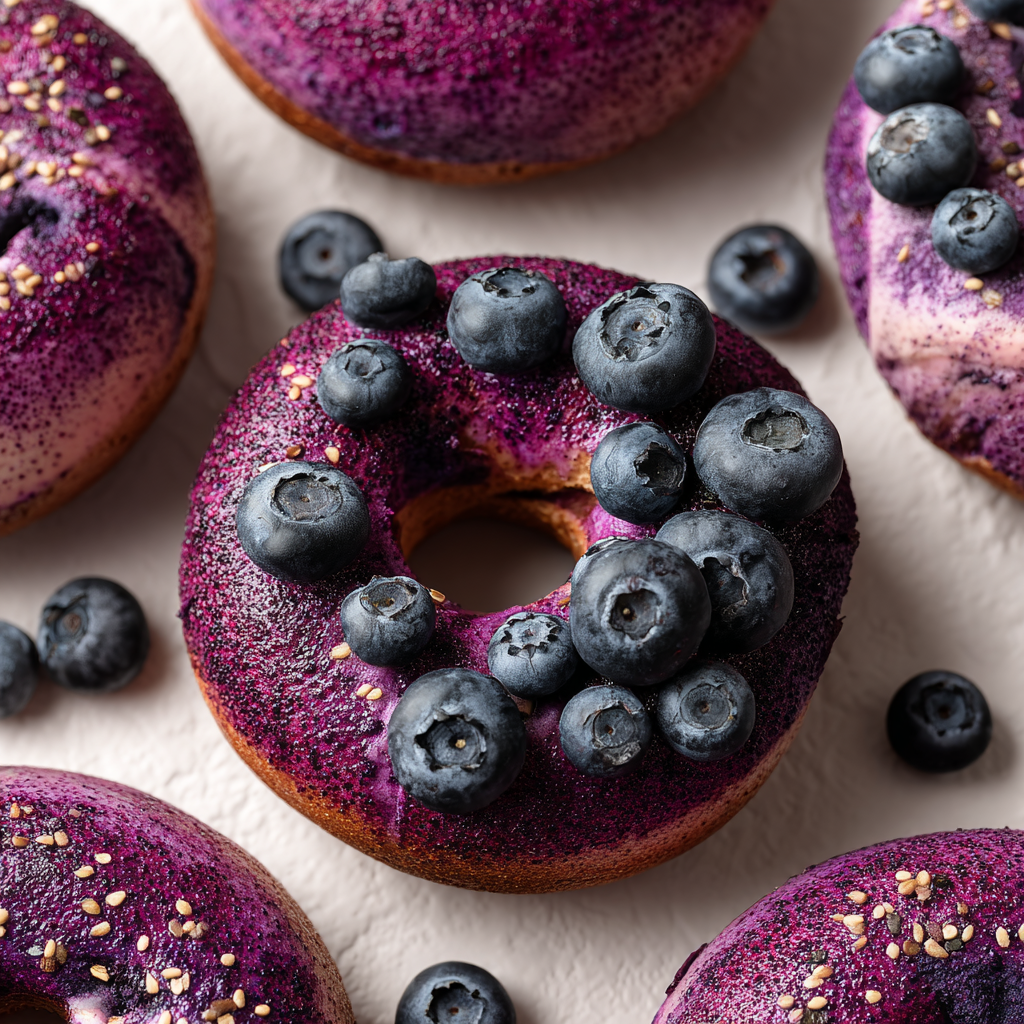
Deliciously Soft Homemade Blueberry Bagels
Ingredients
Method
- Proof the yeast by combining warm water, sugar, and yeast. Let it sit for about 10 minutes until foamy.
- In a large bowl, combine flour and salt. Create a well in the center and pour in the yeast mixture.
- Gradually mix the ingredients until a shaggy dough forms. Knead the dough for about 10 minutes until smooth and elastic.
- Gently fold in the blueberries, being careful not to crush them.
- Shape the dough into a ball and place it in a lightly greased bowl. Cover with a kitchen towel and let it rise until doubled in size, about 1 to 1.5 hours.
- Once risen, punch down the dough and divide it into 8 equal pieces. Shape each piece into a bagel by rolling it into a rope and connecting the ends.
- Preheat your oven to 425°F (220°C). Boil a large pot of water with baking soda. Boil each bagel for 1-2 minutes on each side.
- Transfer boiled bagels to a baking sheet lined with parchment paper. Optionally, sprinkle with coarse salt or additional blueberries.
- Bake in the preheated oven for 20-25 minutes or until golden brown.
- Let them cool on a rack before serving to allow the texture to set.
Notes
Additional serving suggestions: pair with a crisp salad, garlic bread, or roasted seasonal vegetables for balance.
For make-ahead, prep components separately and assemble just before heating to preserve texture.
Taste and adjust with acid (lemon/vinegar) and salt right at the end to wake up flavors.