Introduction
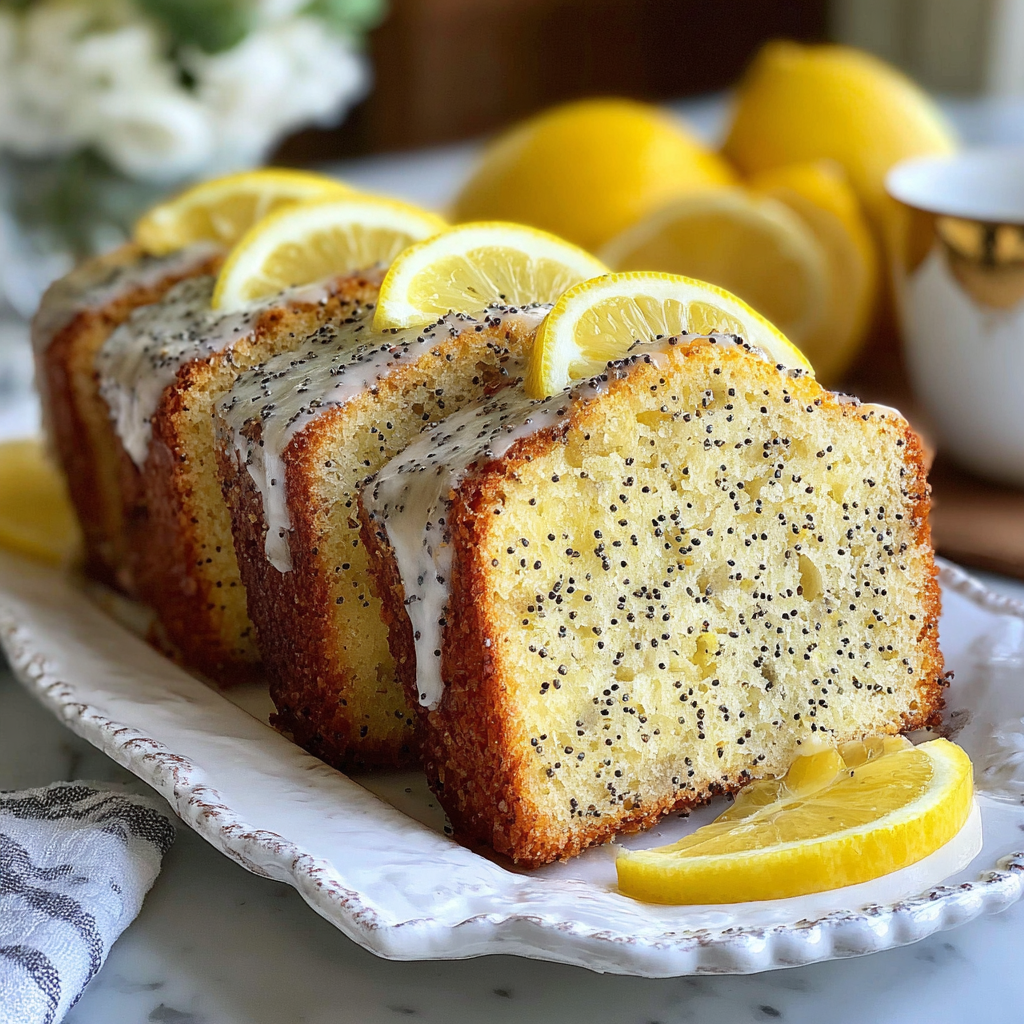
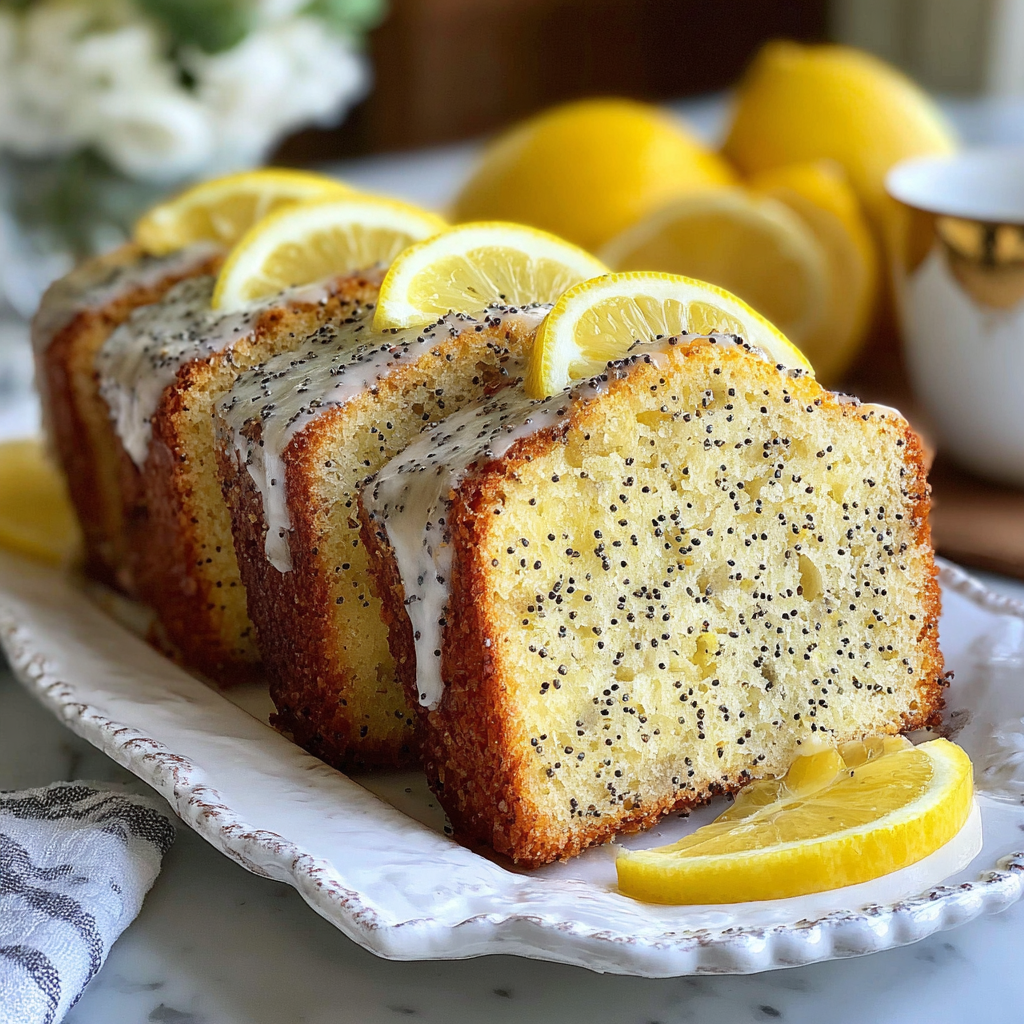
Lemon poppy seed pound cake is a delightful treat that perfectly balances tartness with sweetness. Its rich, buttery texture makes it an ideal dessert for any occasion, whether it’s an afternoon tea or a special celebration. The addition of lemon zest and juice not only adds brightness but also enhances the cake's flavor profile remarkably.
Poppy seeds add an interesting crunch and a nutty undertone that rounds out the cake's flavor. With each bite, you experience a beautiful contrast of textures that make this pound cake truly irresistible. Let’s dive into this delicious recipe that’s sure to become a favorite in your household.
Ingredients
- 1 ½ cups all-purpose flour
The base of our pound cake, all-purpose flour provides structure and stability. It's carefully measured to ensure the right balance of moisture and density. - 1 ½ teaspoons baking powder
This leavening agent helps the cake rise, giving it a light and airy texture. It's crucial for ensuring that the dense cake remains tender and fluffy. - ½ teaspoon salt
Salt enhances the overall flavor of the cake, balancing the sweetness while also highlighting the citrus notes of the lemon. - ½ cup (1 stick) unsalted butter, softened
Butter enriches the cake with flavor and moisture. The creaming process helps incorporate air, contributing to the cake's richness. - 1 cup granulated sugar
Sugar sweetens the cake and assists in creating a tender crumb by working with the butter during the creaming process. - 2 large eggs
Eggs add richness, moisture, and act as a binding agent. They also help with the cake's rise, creating a fluffy texture. - 2 tablespoons lemon zest
The zest releases aromatic oils that intensify the lemon flavor, making the cake bright and refreshing. - 2 tablespoons fresh lemon juice
Lemon juice adds acidity, which helps to balance the sweetness and makes the citrus flavor more pronounced. - 2 tablespoons poppy seeds
These tiny seeds contribute a nutty flavor and a delightful crunch, adding visual interest and texture to the cake. - ½ cup milk
Milk provides moisture, ensuring the cake stays soft and adds a slightly rich texture to the crumb. - Powdered sugar for dusting (optional)
This optional ingredient adds a decorative touch and a hint of sweetness to the finished cake.
Directions & Preparation
Step 1: Preheat the oven to 350°F (175°C). Grease and flour a 9×5-inch loaf pan.
Preheating the oven is critical for ensuring that your cake bakes evenly from the beginning. Greasing and flouring the pan prevents the cake from sticking, which is particularly important for pound cakes due to their dense nature.
Step 2: In a medium bowl, whisk together the flour, baking powder, and salt.
Whisking the dry ingredients together ensures they are evenly distributed. This step helps prevent clumps of baking powder in the batter, leading to a more uniform rise in the finished cake.
Step 3: In a large bowl, cream the softened butter and granulated sugar until light and fluffy, about 3-5 minutes.
Creaming butter and sugar creates air pockets that contribute to the rise of the cake. This process introduces lightness into the batter, leading to a fluffy texture once baked.
Step 4: Add the eggs, one at a time, mixing well after each addition. Stir in the lemon zest and juice.
Incorporating the eggs gradually helps to emulsify them into the mixture, improving the overall texture. The lemon zest and juice are crucial for flavor, enhancing the refreshing notes of the cake.
Step 5: Gradually add the dry ingredients to the wet mixture, alternating with the milk, starting and ending with the flour mixture.
Alternating the dry ingredients and milk prevents the batter from becoming too thick too quickly. This method also helps maintain the cake's tender texture by avoiding overmixing.
Step 6: Gently fold in the poppy seeds until evenly distributed.
Folding rather than mixing vigorously preserves the air you created while creaming, maintaining the light quality of the batter. Poppy seeds should be well distributed for texture in each slice.
Step 7: Pour the batter into the prepared loaf pan, smoothing the top with a spatula.
Settling the batter into the pan evenly helps ensure uniform baking. A smooth top gives your cake a professional look and even browning.
Step 8: Bake for 50-60 minutes, or until a toothpick inserted in the center comes out clean.
Timing is vital here; underbaking will lead to doughy spots, while overbaking can dry out your cake. To check doneness without disturbance, identify when the cake has risen well and lightly springs back when touched.
Step 9: Let the cake cool in the pan for about 10 minutes, then remove it and transfer to a wire rack to cool completely.
Cooling initially in the pan allows the structure to firm up, making it easier to remove. Transferring to a wire rack prevents condensation from forming at the bottom, ensuring a moist, yet firm texture throughout.
Step 10: Once cool, dust with powdered sugar if desired and serve.
Dusting with powdered sugar adds a decorative touch and a hint of sweetness. It's best to do this right before serving to maintain the visual appeal, as moisture can cause the sugar to absorb.

Why Lemon Zest is Essential in Pound Cake
Lemon zest is a key ingredient in this pound cake as it provides a concentrated burst of citrus flavor. The oils in the zest bring an aromatic quality that complements the natural sweetness of the cake. By including both juice and zest, you achieve a well-rounded lemon taste, making each slice vibrant and refreshing.
The Role of Poppy Seeds in Texture
Poppy seeds not only add a unique flavor but also enhance the texture of the pound cake. Their small size and slight crunch contrast beautifully with the soft crumb of the cake, offering an enjoyable eating experience. This combination of textures is what elevates the traditional pound cake to a delightful new level.
The Importance of Proper Mixing Technique
Mixing techniques play a pivotal role in the outcome of your pound cake. Overmixing can result in a dense and tough loaf, while under-mixing can leave pockets of flour in the batter. Striking the right balance ensures that air is incorporated while maintaining the tender structure, leading to a moist and luscious cake.
FAQs
What can I do if the batter seems too thick?
If the batter is too thick, you can add a tablespoon of milk at a time until you reach the desired consistency. The batter should be smooth but not runny.
How can I prevent the lemon flavor from being too strong?
To tone down the lemon flavor, reduce the amount of lemon zest slightly. You might also consider using lemon extract instead of fresh lemon juice for a milder taste.
What if my pound cake is overcooked?
If your pound cake turns out dry from overcooking, you can brush a simple syrup over it once it’s cool. This adds moisture back into the cake.
Can I make this recipe in mini loaf pans?
Yes, you can scale the recipe for mini loaf pans. Decrease the baking time to about 25-30 minutes, checking for doneness with a toothpick.
What types of lemons work best for this recipe?
Meyer lemons are excellent for this pound cake as they are sweeter and less acidic than regular lemons, contributing to a mellower flavor.
Can I replace the poppy seeds with something else?
If you want to skip poppy seeds, you could use chopped nuts for crunch or sunflower seeds for a similar texture. Just adjust the quantity to maintain the cake’s density.
Conclusion
Lemon poppy seed pound cake is a delightful way to enjoy the refreshing qualities of citrus combined with the unique texture of poppy seeds. It's perfect for both casual gatherings and special occasions, offering something deliciously distinct.
With its rich flavor and inviting aroma, this cake will surely become a cherished recipe in your baking repertoire. Enjoy the satisfied smiles of family and friends as they indulge in every slice of this wonderful treat.
Recipe Card
Delight in Every Slice of Lemon Poppy Seed Pound Cake
Ingredients
Method
- Preheat the oven to 350°F (175°C). Grease and flour a 9x5-inch loaf pan.
- In a medium bowl, whisk together the flour, baking powder, and salt.
- In a large bowl, cream the softened butter and granulated sugar until light and fluffy, about 3-5 minutes.
- Add the eggs, one at a time, mixing well after each addition. Stir in the lemon zest and juice.
- Gradually add the dry ingredients to the wet mixture, alternating with the milk, starting and ending with the flour mixture.
- Gently fold in the poppy seeds until evenly distributed.
- Pour the batter into the prepared loaf pan, smoothing the top with a spatula.
- Bake for 50-60 minutes, or until a toothpick inserted in the center comes out clean.
- Let the cake cool in the pan for about 10 minutes, then remove it and transfer to a wire rack to cool completely.
- Once cool, dust with powdered sugar if desired and serve.
Notes
Additional serving suggestions: pair with a crisp salad, garlic bread, or roasted seasonal vegetables for balance.
For make-ahead, prep components separately and assemble just before heating to preserve texture.
Taste and adjust with acid (lemon/vinegar) and salt right at the end to wake up flavors.