Introduction
There’s something special about fresh bread rolls, especially when they come out of the oven warm and fluffy. They can elevate any meal, adding a comforting touch that brings people together around the table. Whether for a holiday feast, a casual dinner, or simply as a treat for yourself, these fluffy bread rolls are versatile and can be paired with a variety of dishes.
Making bread rolls from scratch may seem daunting, but the reward is immeasurable. The aroma of dough rising and the sight of golden-brown rolls can create a delightful experience that transforms any gathering into a cozy event. Let’s explore a straightforward recipe that guarantees rolls so fluffy, they’ll melt in your mouth.
Ingredients
- 4 cups all-purpose flour
All-purpose flour provides the necessary gluten to give the rolls structure and a chewy texture while contributing to their fluffiness. Gluten forms a network when hydrated and kneaded, trapping air and allowing the rolls to rise. - 2 tablespoons sugar
Sugar acts as a food source for the yeast, helping it to activate and produce carbon dioxide. This, in turn, contributes to the rolls' lightness and also adds a subtle sweetness that enhances the flavor. - 1 tablespoon salt
Salt not only enhances flavor but also strengthens the gluten structure, making the bread rolls more resilient. It controls the fermentation process by slowing down yeast activity, ensuring a well-balanced rise. - 2 ¼ teaspoons active dry yeast
Yeast is the leavening agent that causes the dough to rise. It ferments the sugars in the dough, producing gases that create the light, airy quality characteristic of fluffy bread rolls. - 1 ½ cups warm water
Warm water is critical for activating the yeast. The ideal temperature helps yeast thrive and speeds up the fermentation process, leading to a quicker rise for the dough. - ¼ cup unsalted butter, melted
Butter adds richness and flavor to the rolls, contributing to their tender crumb. It helps coat the flour proteins, reducing gluten formation and making the rolls softer.
Directions & Preparation
Step 1: Activate the yeast.
Start by combining the warm water and sugar in a small bowl, then sprinkle the yeast on top. Allow it to sit for about 5-10 minutes until it's frothy. This step is crucial because it shows that the yeast is alive and active, which is essential for your rolls to rise.
Step 2: Mix dry ingredients.
In a large bowl, whisk together the flour and salt. Mixing these ingredients beforehand ensures that the salt doesn't come into direct contact with the yeast too soon, which can inhibit its activity. This step prepares a solid foundation in which your activated yeast can thrive.
Step 3: Combine wet and dry ingredients.
Once the yeast has activated, pour it into the dry mixture along with the melted butter. Stir until the ingredients come together to form a shaggy dough. At this stage, you're creating the base for your rolls, and it’s important to mix thoroughly for even distribution of each ingredient.
Step 4: Knead the dough.
Transfer the dough to a floured surface and knead for about 8-10 minutes until it becomes smooth and elastic. Kneading develops the gluten structure that gives bread its strength and fluffiness, so don’t skip this key step.
Step 5: Let the dough rise.
Place the kneaded dough in a greased bowl, cover it with a damp cloth, and let it rise in a warm place until it doubles in size, roughly 1-2 hours. This resting period is vital for yeast fermentation, allowing air bubbles to form and develop the roll's light texture.
Step 6: Shape the rolls.
After the dough has risen, punch it down to release the excess gas. Divide it into equal pieces, shaping each into a round ball. This shaping process not only creates uniform rolls but also ensures an even rise during baking, crucial for achieving that fluffy texture.
Step 7: Second rise.
Place your shaped rolls in a greased pan close together, cover again, and let them rise for another 30-45 minutes until puffed up. This second rise enhances the rolls’ volume and softness and gives them that desirable airy quality when baked.
Step 8: Preheat the oven and bake.
While the rolls are rising, preheat your oven to 375°F (190°C). Baking the rolls at the right temperature is critical for achieving a golden crust while ensuring the inside remains soft and fluffy. Bake for about 25-30 minutes until golden.
Step 9: Cool and serve.
Once baked, remove the rolls from the oven and allow them to cool in the pan for a few minutes before transferring them to a wire rack. This cooling period prevents them from becoming soggy. Serve warm for the best experience!

Perfecting the Dough Consistency
Achieving the right dough consistency is essential for fluffy bread rolls. The dough should be soft but not sticky, allowing for easy handling during shaping. If the dough is too sticky, sprinkle in some additional flour while kneading; if it’s too dry, a little extra warm water can be incorporated. Monitoring this aspect early on can save you time and frustration later.
The Importance of Kneading
Kneading the dough is a crucial step that many home bakers overlook. This process develops gluten, ensuring that the rolls have the desired structure and chew. Kneading for at least 8-10 minutes builds strength in the dough, allowing it to trap air correctly during the rising phase, which ultimately leads to that soft, fluffy texture.
Brushing with Butter for Shine
For an elegant finish, brush your rolls with melted butter right after they come out of the oven. This enriches the flavor and gives your rolls a beautiful golden sheen. Additionally, the butter will keep the crust tender while enhancing the visual appeal, making your fluffy bread rolls even more enticing to serve to guests.
FAQs
What if my dough is too sticky?
If your dough is too sticky, gradually add more flour, a tablespoon at a time, during the kneading process until it reaches a manageable consistency.
How can I scale this recipe for a larger gathering?
To scale the recipe, simply multiply each ingredient by the desired number of times needed, maintaining the same ratios for successful fluffy rolls.
Why didn’t my rolls rise properly?
Insufficient rising can be due to old yeast or inadequate proofing time. Ensure your yeast is fresh and give the dough ample time in a warm environment to achieve a good rise.
What can I do if my rolls turn out bland?
If your rolls are bland, consider increasing the amount of salt slightly or using a flavored butter when brushing them post-bake for added flavor.
Can I add herbs or cheese to the rolls?
Absolutely! You can fold in herbs or shredded cheese into the dough during the kneading stage to create a flavor-packed version of these rolls.
What if my rolls are tough instead of fluffy?
Tough rolls are often the result of over-kneading or too much flour. Make sure to knead only until the dough is smooth and slightly tacky.
Conclusion
In conclusion, mastering fluffy bread rolls opens up a world of possibilities for meals and occasions alike. Not only can you enjoy them fresh out of the oven, but they also serve as a versatile side to countless dishes. Experiment with flavors, shapes, and toppings to make them your own.
Ultimately, the joy of creating something delicious from scratch is a rewarding experience. So gather your ingredients, roll up your sleeves, and dive into the delightful process of baking fluffy bread rolls that will impress friends and family alike.
Recipe Card
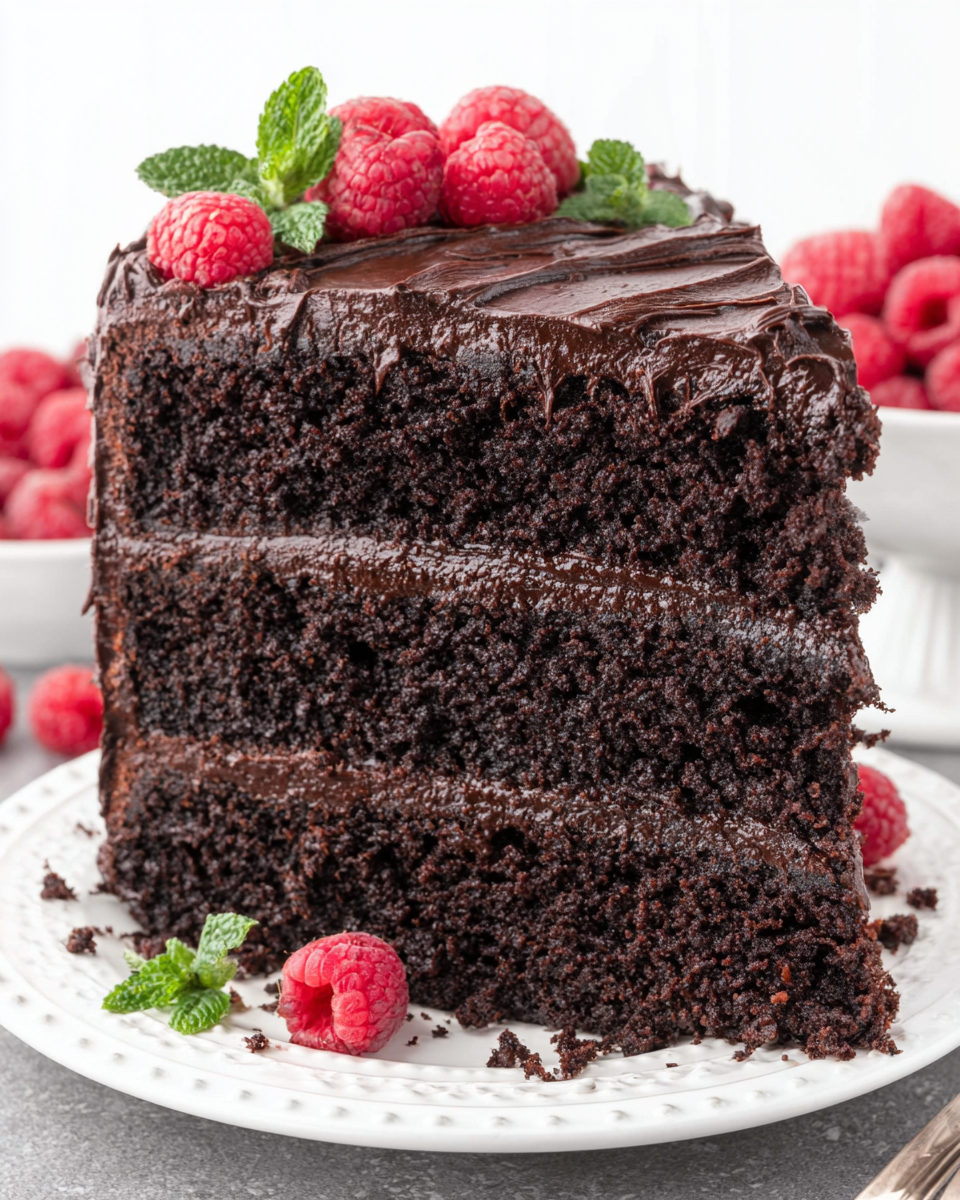
Indulgent High Protein Low Carb Chocolate Cake
Ingredients
Method
- Preheat your oven to 350°F (175°C).
- Grease a 9-inch round cake pan and line the bottom with parchment paper.
- In a large mixing bowl, whisk together almond flour, cocoa powder, protein powder, erythritol, baking soda, and salt.
- In another bowl, beat the eggs, then add applesauce and vanilla extract until well combined.
- Combine the wet and dry ingredients, mixing just until no dry streaks remain.
- Pour the batter into the prepared cake pan, smoothing the top with a spatula.
- Bake for 25-30 minutes or until a toothpick inserted into the center comes out clean.
- Allow the cake to cool in the pan for 10 minutes before transferring it to a wire rack.
- Once cooled, frost as desired or enjoy plain.
Notes
Additional serving suggestions: pair with a crisp salad, garlic bread, or roasted seasonal vegetables for balance.
For make-ahead, prep components separately and assemble just before heating to preserve texture.
Taste and adjust with acid (lemon/vinegar) and salt right at the end to wake up flavors.