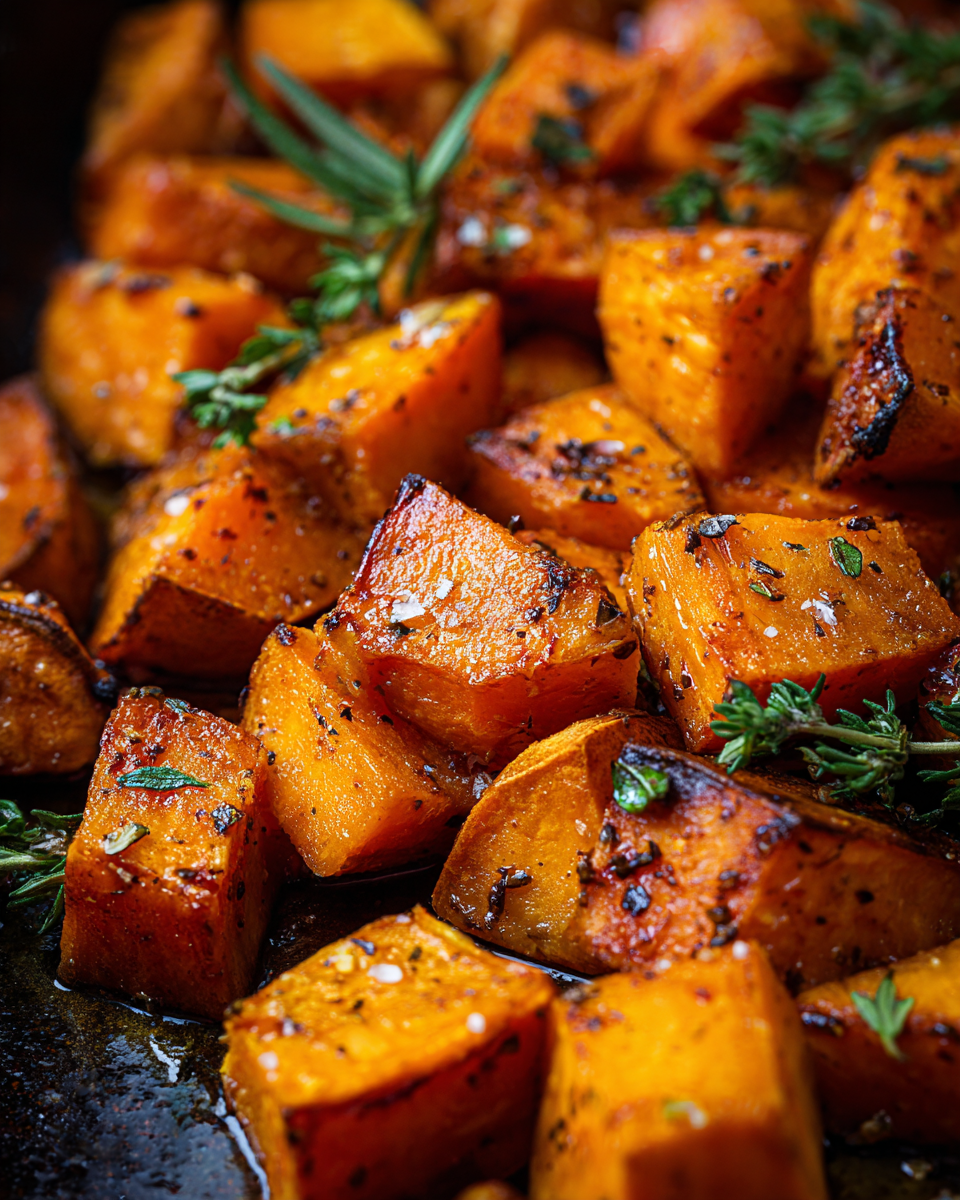
Introduction
Sweet potatoes are a beloved staple in many kitchens, celebrated for their earthy flavor and versatility. When roasted with brown sugar, they transform into an irresistible dish, balancing sweetness with the natural savory notes of the vegetable. This recipe amplifies those flavors, creating a side that’s perfect for festive gatherings or a comforting weeknight dinner.
The caramelization that occurs during roasting brings out the sweet potatoes' natural sugar, while the addition of brown sugar enhances this effect, creating a glossy coating that's hard to resist. Whether seasoned to perfection for a holiday feast or simply enjoyed with a weeknight meal, these roasted sweet potatoes will quickly become a cherished go-to recipe.
Ingredients
- 4 medium sweet potatoes, peeled and cubed
Sweet potatoes are the star of this dish, offering a naturally sweet flavor and creamy texture when roasted. Their vibrant orange hue is a sign of their rich vitamin A content, making them a nutritious choice. - 1/4 cup brown sugar, packed
Brown sugar adds a deep, moody sweetness that complements the sweet potatoes perfectly. It also contains molasses, which contributes to a rich caramelization during roasting. - 2 tablespoons olive oil
Olive oil not only helps to roast the sweet potatoes to a perfect golden brown but also keeps them moist. It provides a slight richness that balances the sweetness of the brown sugar. - 1 teaspoon ground cinnamon
Cinnamon introduces warmth and complexity to the dish, enhancing the sweet notes of the sweet potatoes and creating a cozy flavor profile that is comforting and inviting. - 1/2 teaspoon salt
Salt is essential in any sweet dish, as it helps to balance flavors and heighten the natural sweetness of the sweet potatoes. It ensures that the dish isn't overwhelmingly sweet. - 1/4 teaspoon black pepper
Black pepper adds a hint of spice and depth to the flavor profile. This subtle kick contrasts beautifully with the sweetness, creating a well-rounded dish.
Directions & Preparation
Step 1: Preheat the oven to 425°F (220°C).
Preheating the oven is crucial for achieving the ideal roasting temperature. A hot oven ensures that the sweet potatoes caramelize well, developing a crispy exterior while keeping the inside tender and fluffy. This initial step sets the stage for successful roasting.
Step 2: Prepare the sweet potatoes by peeling and cubing them into uniform pieces.
Cutting the sweet potatoes into similar-sized cubes ensures even cooking, allowing all pieces to roast at the same rate. This uniformity prevents some pieces from being overcooked or undercooked, ensuring a consistent texture throughout.
Step 3: In a large bowl, combine the cubed sweet potatoes, olive oil, brown sugar, cinnamon, salt, and black pepper.
Mixing the ingredients in a bowl allows for even coating of the sweet potatoes. The oil helps the sugar and spices adhere, ensuring a consistent flavor and texture, while also encouraging proper caramelization on each piece.
Step 4: Spread the coated sweet potatoes in a single layer on a baking sheet lined with parchment paper.
Spreading the sweet potatoes in a single layer on the baking sheet promotes even cooking and browning. It prevents steaming, which can occur if the pieces are overcrowded, allowing for that desirable caramelized exterior.
Step 5: Roast in the preheated oven for 25-30 minutes, tossing halfway through.
Roasting for 25-30 minutes allows the sugars to caramelize and the sweet potatoes to become tender. Tossing halfway through promotes even browning on all sides, ensuring that every piece is crispy and delicious.
Step 6: Remove from the oven and let cool for a few minutes before serving.
Allowing roasted sweet potatoes to cool slightly before serving helps to develop the flavors further. This cool-down period also preserves the integrity of the caramelization, making sure each bite is sweet and tender.

The Science Behind Caramelization
Caramelization is a complex reaction that occurs when sugars are heated, leading to a browning of the food and the development of deep flavors. In sweet potatoes, this process not only enhances their natural sweetness but also brings out a rich, nutty undertone that makes each bite delightful. Using brown sugar underlines these effects, while the heat from roasting locks in a tender texture and a beautiful color.
Perfect Pairings for Roasted Sweet Potatoes
Roasted sweet potatoes are incredibly versatile and complement a variety of dishes. They can serve as a delightful side to roasted meats, such as chicken or pork, and also fit beautifully in vegetarian recipes, like salad bowls or grain dishes. Adding herbs or a sprinkle of feta cheese on top just before serving can elevate the flavors, making this dish adaptable to any meal.
Enhancing Your Roasted Sweet Potatoes
While this recipe highlights brown sugar and cinnamon, feel free to experiment with additional spices and flavors. A touch of nutmeg or ginger can add warmth, while a drizzle of balsamic glaze or a sprinkle of nuts could provide texture and tang. Playing with these variations can tailor the dish to your taste preference and keep it exciting.
FAQs
What can I do if my sweet potatoes are overcooked?
If your sweet potatoes are overcooked, they might become mushy. To avoid this in future batches, keep a close eye on the roasting time and test for doneness with a fork to maintain that desired tender yet firm texture.
Can I substitute white sugar for brown sugar?
Yes, you can use white sugar instead, but the flavor will be less rich. Brown sugar adds a deeper, molasses-like sweetness; using white sugar will yield a different flavor profile, yet it will still be sweet.
What should I do if the brown sugar creates a clump during roasting?
If your brown sugar clumps together, it can sometimes cause uneven caramelization. To prevent this, ensure it is packed properly when measuring, and you can also break it apart with a fork before adding it to the sweet potatoes.
Can I use sweet potatoes with skin on?
Yes, you can roast sweet potatoes with the skin on for added texture and nutrition. Just make sure to scrub them well to remove any dirt or impurities before cutting and cooking.
What if I want to add more flavor?
You can enhance the flavors by experimenting with additional spices like cayenne for heat, or fresh herbs like rosemary or thyme for a savory twist, which can add great depth to your sweet potatoes.
Can I add other vegetables to the roasting pan?
Absolutely! Other root vegetables like carrots or parsnips would pair nicely. Just ensure they are cut to a similar size for even roasting, and adjust cooking time as needed.
Conclusion
Brown sugar roasted sweet potatoes offer a simple yet extraordinary side dish that elevates any meal. Their delightful blend of sweetness and spice creates a tempting treat that’s sure to impress family and friends alike.
By mastering this straightforward recipe, you’ll have at your fingertips a versatile dish that can easily adapt to seasonal changes or personal preferences. Enjoy these sweet potatoes as a comforting staple on your dining table!
Recipe Card
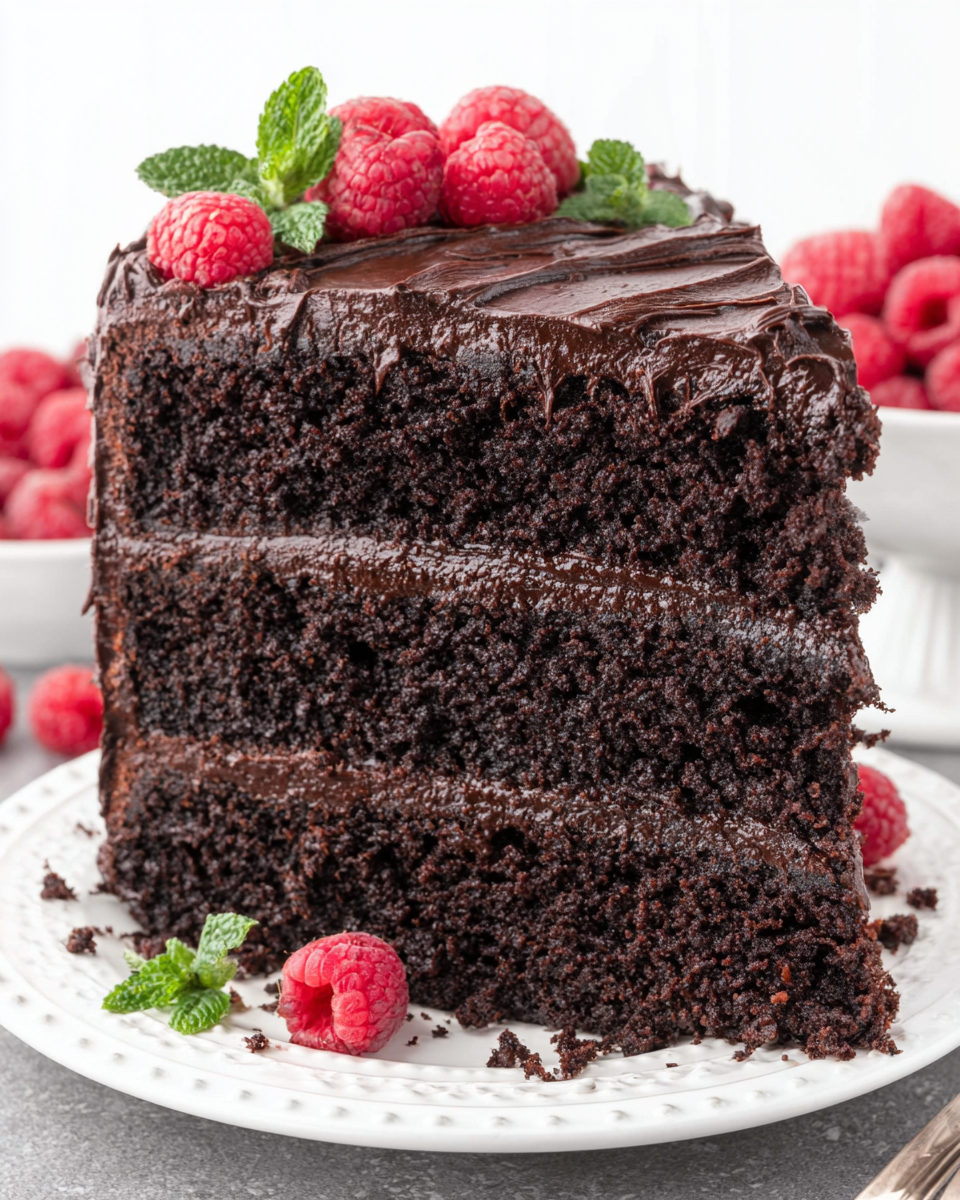
Indulgent High Protein Low Carb Chocolate Cake
Ingredients
Method
- Preheat your oven to 350°F (175°C).
- Grease a 9-inch round cake pan and line the bottom with parchment paper.
- In a large mixing bowl, whisk together almond flour, cocoa powder, protein powder, erythritol, baking soda, and salt.
- In another bowl, beat the eggs, then add applesauce and vanilla extract until well combined.
- Combine the wet and dry ingredients, mixing just until no dry streaks remain.
- Pour the batter into the prepared cake pan, smoothing the top with a spatula.
- Bake for 25-30 minutes or until a toothpick inserted into the center comes out clean.
- Allow the cake to cool in the pan for 10 minutes before transferring it to a wire rack.
- Once cooled, frost as desired or enjoy plain.
Notes
Additional serving suggestions: pair with a crisp salad, garlic bread, or roasted seasonal vegetables for balance.
For make-ahead, prep components separately and assemble just before heating to preserve texture.
Taste and adjust with acid (lemon/vinegar) and salt right at the end to wake up flavors.