Introduction
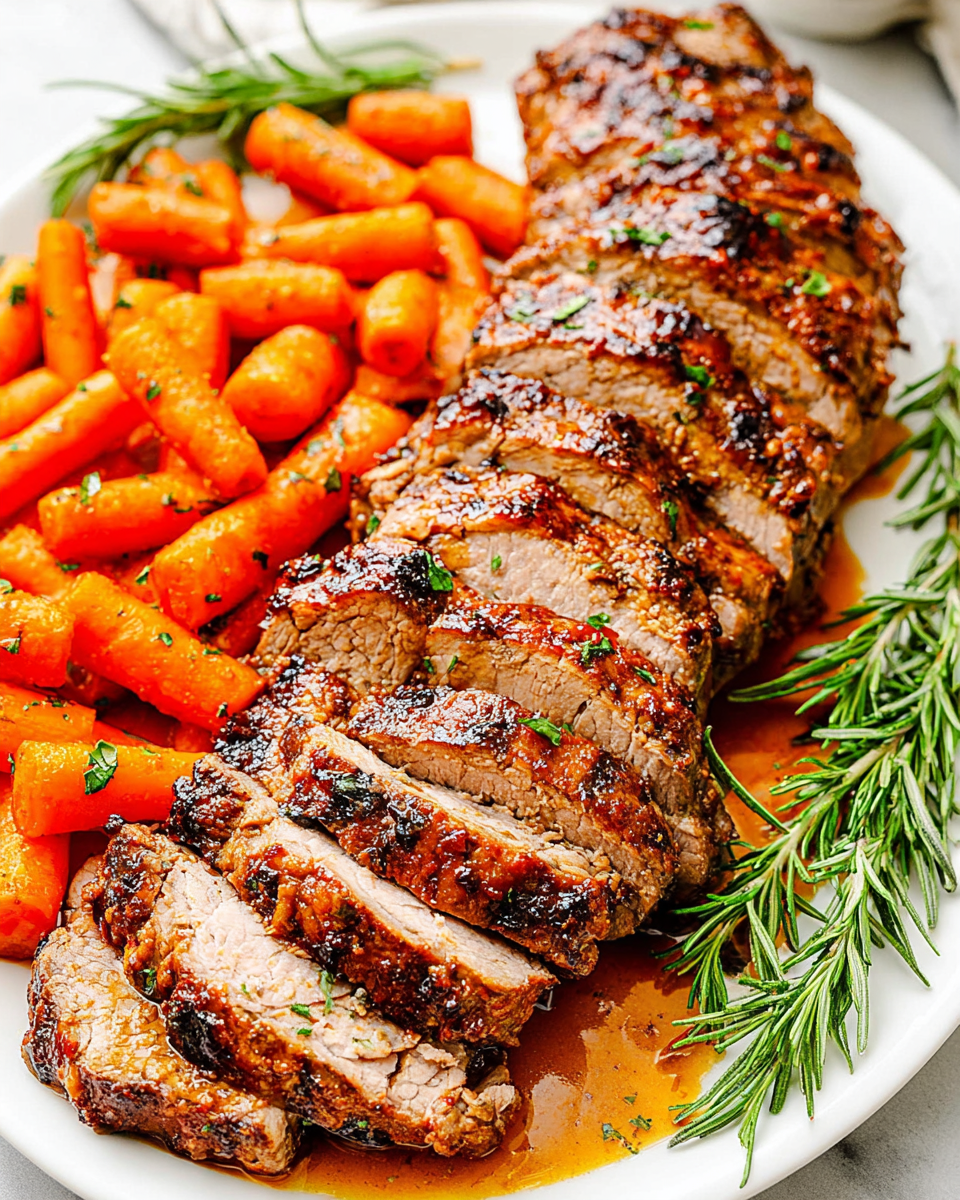
There's something special about roasting pork tenderloin. This cut of meat is not only tender but also versatile, making it perfect for family dinners or a weekend gathering. With the right approach, you can create a dish that leaves everyone at the table asking for seconds.
In this recipe, we’ll explore how to harness flavor while keeping the pork tender and juicy. From marinade to finishing touches, each element is vital to bringing out the best in this beautiful piece of meat. Let’s get cooking!
Ingredients
- 2 pounds pork tenderloin
The star of the dish, pork tenderloin is lean and tender, making it an excellent choice for roasting. It absorbs flavors well and, when cooked properly, remains juicy. - 2 tablespoons olive oil
Olive oil not only helps to sear the meat, enhancing the flavor during roasting, but it also aids in preventing the pork from drying out during cooking. - 4 cloves garlic, minced
Garlic adds a pungent depth to the dish, infusing the pork with a warm, aromatic flavor. It’s essential for balancing the richness of the meat. - 1 tablespoon rosemary, fresh and chopped
Fresh rosemary provides a fragrant herbaceous note that pairs beautifully with pork. Its pine-like flavor enhances the overall taste profile of the dish. - 1 tablespoon thyme, fresh and chopped
Similar to rosemary, thyme adds a subtle earthiness that complements the pork. It works well with other herbs, creating a more complex flavor. - Salt and pepper, to taste
Seasoning with salt and pepper is crucial as it enhances the natural flavors of the meat, ensuring each bite is full of savory goodness. - 1 cup chicken broth
Used in the roasting process, chicken broth helps keep the pork moist and provides an additional layer of flavor, preventing dryness. - 1 tablespoon balsamic vinegar
Adding balsamic vinegar at the end of cooking deepens the flavor profile, imparting a slight sweetness and acidity that will elevate the dish.
Directions & Preparation
Step 1: Preheat the oven to 400°F (200°C).
Starting with a properly preheated oven ensures that the pork tenderloin cooks evenly and retains its juices. The high temperature allows for a sear that aids in developing a tasty crust, locking in flavors.
Step 2: Pat the pork tenderloin dry with paper towels.
Drying the meat helps to achieve a better sear by promoting browning. The Maillard reaction, which occurs when protein and sugars react under heat, is essential for a flavorful crust.
Step 3: Season the tenderloin generously with salt and pepper.
Seasoning is key to flavor enhancement. Allowing the salt to penetrate the meat improves its overall taste while ensuring the spices cover the surface well for a crusty exterior.
Step 4: In a large skillet, heat olive oil over medium-high heat.
Heating the skillet properly is crucial for searing the tenderloin. The oil should shimmer before adding the meat to create that perfect golden crust that adds flavor and texture.
Step 5: Sear the pork on all sides until golden brown, about 2-3 minutes per side.
Searing locks in moisture and creates a flavorful crust. It’s important not to overcrowd the pan to maintain heat, ensuring an even browning on all sides.
Step 6: Remove from heat and add garlic, rosemary, and thyme to the skillet.
This step allows the herbs and garlic to infuse their flavors into the oil while the pork is still hot. This mixture will provide a fragrant base that enhances the tenderloin’s taste as it roasts.
Step 7: Transfer the pork to a roasting pan and pour chicken broth around it.
By adding chicken broth to the pan, you create steam that helps keep the meat moist as it roasts. The broth also collects the drippings that can be used for a sauce later.
Step 8: Roast in the preheated oven for 20-25 minutes, or until the internal temperature reaches 145°F (63°C).
Monitoring the internal temperature is crucial for perfectly cooked pork. Cooking to 145°F ensures the meat is juicy while still being safe to eat.
Step 9: Remove from the oven, cover loosely with foil, and let it rest for 10 minutes.
Resting the meat allows juices to redistribute throughout, preventing loss when slicing. Foil keeps the pork warm without stewing it in residual heat.
Step 10: Slice the pork tenderloin and drizzle with balsamic vinegar before serving.
Slicing against the grain keeps each piece tender. The balsamic vinegar adds a final touch of complexity and acidity that brightens the dish, making every bite enjoyable.

The Importance of Resting Meat
Resting meat after cooking is a critical step that many home cooks overlook. Allowing the pork to sit for a few minutes enables the juices to redistribute, ensuring that each slice remains moist and flavorful. Skipping this step often results in a dry texture, which no one wants. Enjoying a properly rested tenderloin can elevate your dish from ordinary to memorable.
Flavor Enhancements with Marinades
Experimenting with marinades can take your pork tenderloin to new heights. A simple mixture of olive oil, vinegar, herbs, and spices not only adds flavor but also tenderizes the meat. Consider marinating the tenderloin for a few hours or even overnight to amplify the taste. This technique allows the ingredients to permeate the meat, which results in a deeper flavor profile when cooked.
Pairing Sides to Complement Pork
When serving roasted pork tenderloin, consider sides that complement its flavors. Roasted vegetables, creamy mashed potatoes, or a fresh green salad work beautifully. The key is to choose sides that balance the pork's richness without overwhelming it. Additionally, incorporating fruits like apples or pears can introduce a delightful contrast to the savory flavors of the tenderloin.
FAQs
What can I do if my pork tenderloin is too dry?
If your pork tenderloin comes out dry, ensure you're not overcooking it next time. Use a meat thermometer to check for doneness at 145°F.
Can I use other herbs besides rosemary and thyme?
Yes, herbs like sage, oregano, or even a touch of dill can complement pork well. Feel free to mix and match to your flavor preferences.
What if I want to make this dish for a larger group?
You can easily double the recipe. Just ensure you use a larger roasting pan and monitor the cooking time closely by checking the internal temperature.
How can I avoid overcooking the tenderloin?
Using a meat thermometer is the best way to ensure that you don’t overcook the pork. Remove it from the oven once it reaches 145°F.
What should I do if I find the seasoning bland?
If the seasoning turns out bland, consider marinating the pork in a blend of your desired spices before cooking or adding extra herbs during the searing process.
Can I roast vegetables with the pork in the same pan?
Absolutely! Adding vegetables like carrots, potatoes, or Brussels sprouts adds flavor to the drippings and creates a complete meal.
Conclusion
Roasted pork tenderloin is a straightforward yet impressive dish that can enhance any meal. By following these steps and paying attention to the details, you’ll create a dish that shines with flavor and tenderness.
Don’t hesitate to experiment with different herbs and sides as you become more comfortable with cooking pork tenderloin. Your culinary journey ahead is filled with possibilities—embrace it!
Recipe Card

Savor the Day with Tasty Ground Beef Dishes
Ingredients
Method
- Heat the olive oil in a large skillet over medium heat.
- Add the diced onion and sauté until translucent.
- Stir in the minced garlic and sauté for another minute.
- Increase the heat to medium-high and add the ground beef.
- Season with salt, pepper, chili powder, and cumin.
- Cook until the beef is browned and fully cooked through.
- Stir in the diced tomatoes and let simmer for 10 minutes.
- Taste and adjust seasoning if necessary before serving.
Notes
Additional serving suggestions: pair with a crisp salad, garlic bread, or roasted seasonal vegetables for balance.
For make-ahead, prep components separately and assemble just before heating to preserve texture.
Taste and adjust with acid (lemon/vinegar) and salt right at the end to wake up flavors.