Introduction
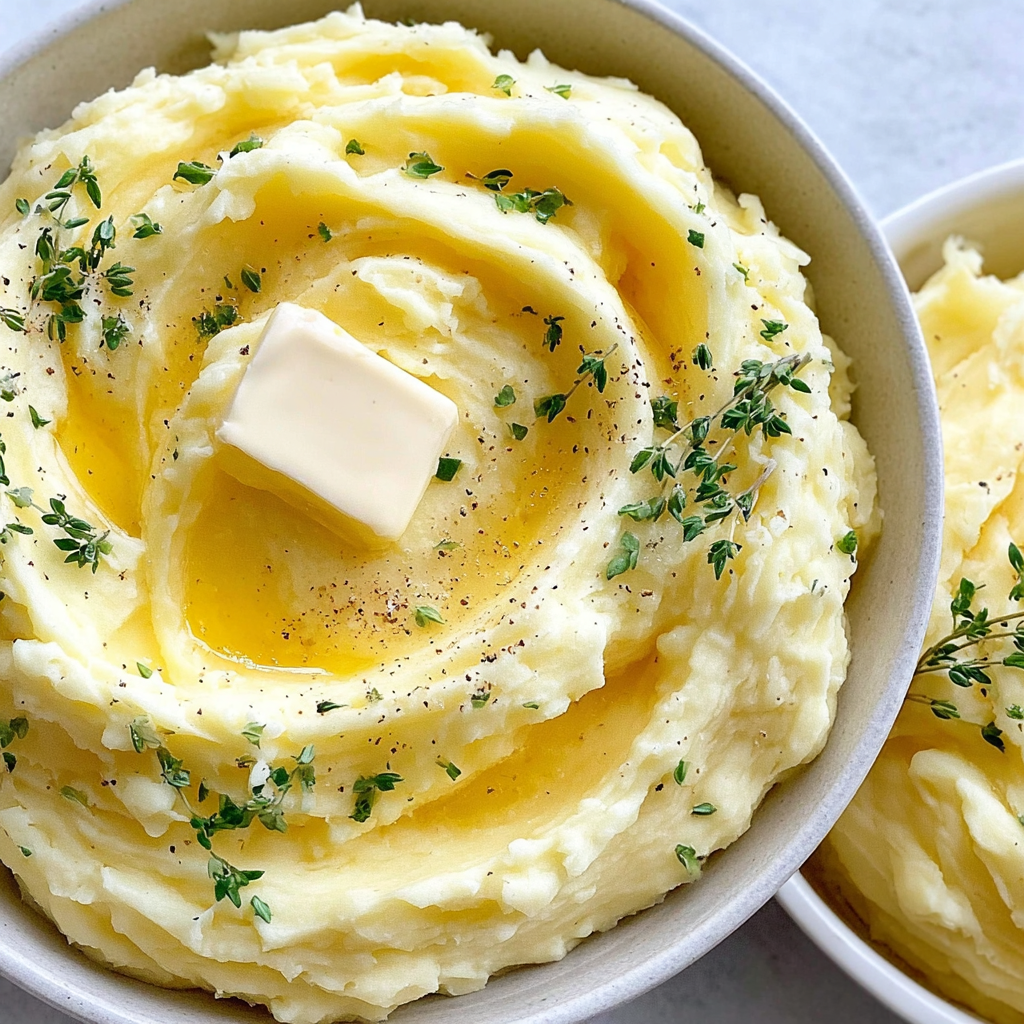
Mashed potatoes are a quintessential comfort food that can elevate any meal. Their creamy texture and rich flavor make them a favorite across various cuisines. Whether you're preparing a family dinner or a festive feast, understanding the nuances of making mashed potatoes can transform this simple dish into a culinary delight.
In this masterclass, we'll explore the best techniques for achieving the perfect consistency, flavor, and presentation. Armed with the right ingredients and methods, you can create mashed potatoes that are irresistibly smooth and buttery.
Let's dive into the essentials of crafting mashed potatoes that will impress your family and friends, turning a humble side into a star of the table.
Ingredients
- 2 pounds russet potatoes
- 1 cup whole milk
- 1/2 cup unsalted butter
- 1 teaspoon salt
- 1/2 teaspoon black pepper
- 1/4 teaspoon garlic powder (optional)
- 1/4 cup sour cream (optional)
- Chives for garnish (optional)
Directions & Preparation
- Peel the russet potatoes and cut them into even chunks, about 1-2 inches in size. This ensures they cook uniformly.
- Place the potato chunks in a large pot and cover them with cold water. Add 1 teaspoon of salt to the water to enhance the flavor of the potatoes.
- Bring the pot to a boil over medium-high heat, then reduce the heat to medium-low and simmer until the potatoes are fork-tender, about 15-20 minutes.
- While the potatoes are cooking, gently heat the milk and butter together in a small saucepan over low heat until the butter is melted and the mixture is warm. This helps to keep the potatoes hot when mixing.
- Drain the cooked potatoes thoroughly in a colander and return them to the pot. Allow them to steam for a minute to evaporate excess moisture.
- Using a potato masher or ricer, mash the potatoes until smooth. Avoid over-mashing, as this can lead to a gummy texture.
- Gradually pour in the warm milk and butter mixture while continuing to mash until you reach your desired creaminess.
- Season the mashed potatoes with black pepper and garlic powder, if using. Mix in sour cream for added richness, if desired.
- Taste and adjust seasoning as needed. Serve immediately, garnished with chopped chives if desired.

FAQs
What type of potatoes are best for mashed potatoes?
Russet potatoes are ideal due to their high starch content, resulting in a fluffy texture.
Why do my mashed potatoes taste bland?
Ensure you season the potatoes adequately with salt and try adding garlic powder or sour cream for extra flavor.
What can I do if my mashed potatoes are too thick?
Add a splash of warm milk or melted butter to loosen the texture until it reaches your desired consistency.
Can I use a hand mixer for mashing?
Yes, but be cautious not to overmix, as this can make the potatoes gummy.
How can I make my mashed potatoes extra creamy?
Using warm milk and a generous amount of butter will enhance creaminess. Consider adding cream cheese or sour cream.
What if I want to scale the recipe for a larger group?
You can double or triple the quantities, but make sure to use a large enough pot to cook the potatoes evenly.
How can I add flavor variations to my mashed potatoes?
Consider incorporating roasted garlic, cheese, or herbs like rosemary or thyme for different flavor profiles.
Conclusion
Perfecting mashed potatoes is an art that combines technique with personal preference. With practice, you’ll find the right balance of creaminess and flavor that suits your taste.
As you explore different variations and methods, remember that the joy of cooking comes from experimenting and enjoying the process. Your journey to the perfect mashed potatoes starts here, and each batch brings you closer to mastery.
Recipe Card
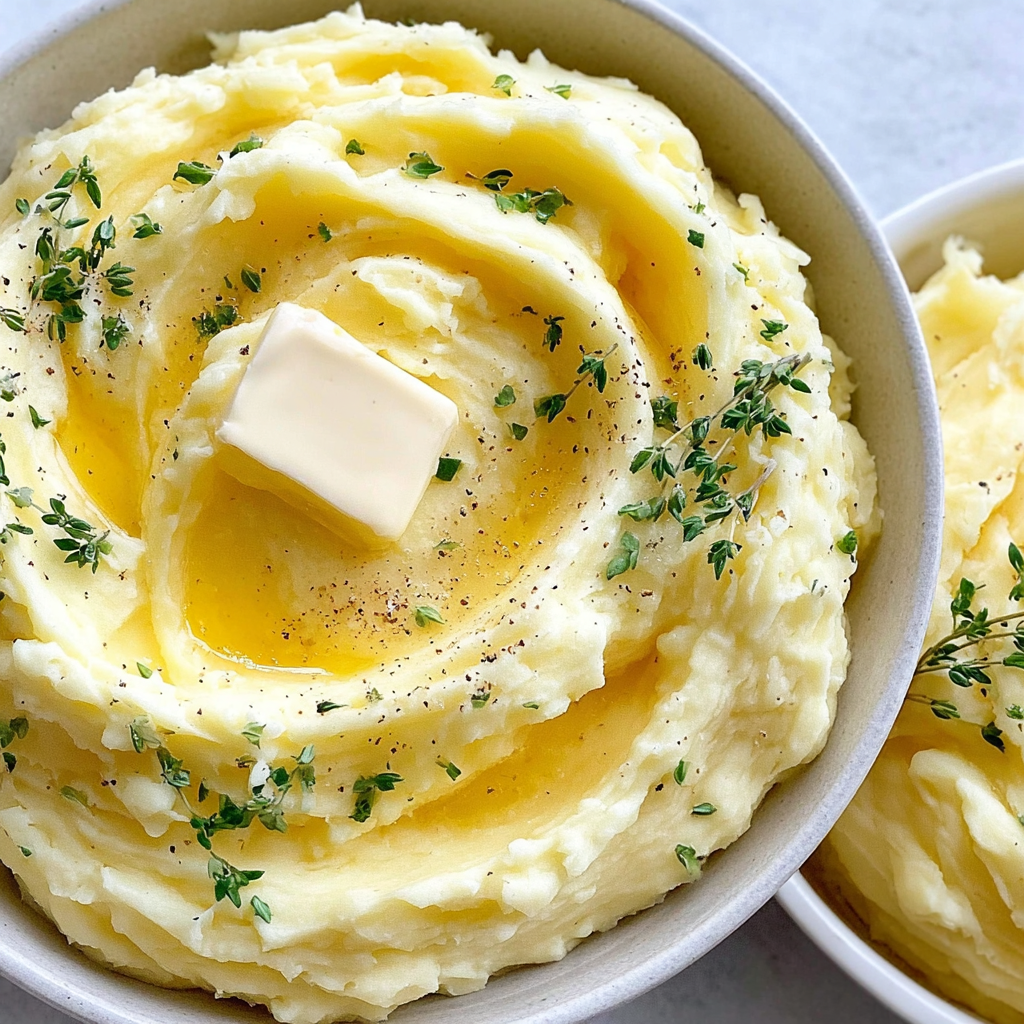
Mastering the Art of Perfect Mashed Potatoes
Ingredients
Method
- Peel the russet potatoes and cut them into even chunks, about 1-2 inches in size. This ensures they cook uniformly.
- Place the potato chunks in a large pot and cover them with cold water. Add 1 teaspoon of salt to the water to enhance the flavor of the potatoes.
- Bring the pot to a boil over medium-high heat, then reduce the heat to medium-low and simmer until the potatoes are fork-tender, about 15-20 minutes.
- While the potatoes are cooking, gently heat the milk and butter together in a small saucepan over low heat until the butter is melted and the mixture is warm. This helps to keep the potatoes hot when mixing.
- Drain the cooked potatoes thoroughly in a colander and return them to the pot. Allow them to steam for a minute to evaporate excess moisture.
- Using a potato masher or ricer, mash the potatoes until smooth. Avoid over-mashing, as this can lead to a gummy texture.
- Gradually pour in the warm milk and butter mixture while continuing to mash until you reach your desired creaminess.
- Season the mashed potatoes with black pepper and garlic powder, if using. Mix in sour cream for added richness, if desired.
- Taste and adjust seasoning as needed. Serve immediately, garnished with chopped chives if desired.
Notes
Additional serving suggestions: pair with a crisp salad, garlic bread, or roasted seasonal vegetables for balance.
For make-ahead, prep components separately and assemble just before heating to preserve texture.
Taste and adjust with acid (lemon/vinegar) and salt right at the end to wake up flavors.