Introduction
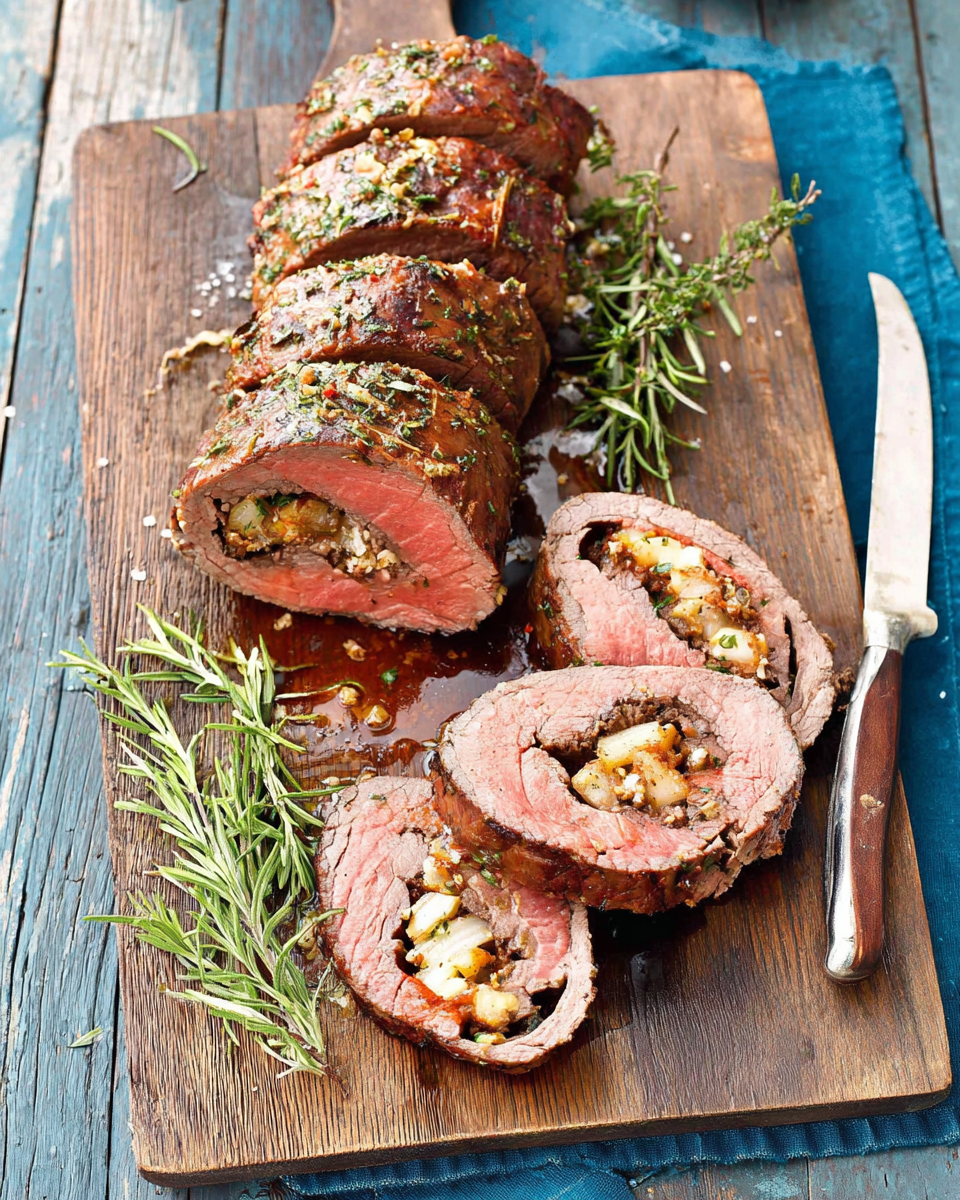
Christmas is a time for warmth, joy, and indulgent meals that bring family together. One dish that embodies the spirit of the holiday is a quick stuffed beef tenderloin, perfectly seasoned and filled with festive flavors. This impressive dish doesn’t just look elegant; it also packs a punch in terms of taste and satisfaction, making it ideal for holiday feasts.
While preparing a holiday meal can often feel overwhelming, this recipe simplifies the process without compromising on flavor. The stuffed beef tenderloin becomes a centerpiece that is sure to wow your guests and create lasting memories. Dive into this culinary adventure and elevate your Christmas dinner with minimal fuss.
Ingredients
- 2 pounds beef tenderloin
The centerpiece of this recipe, beef tenderloin is known for its tenderness and rich flavor, making it a perfect choice for special occasions. It’s essential to select a good quality cut to ensure the meat is juicy and easy to slice. - 4 ounces cream cheese, softened
Cream cheese serves as a luscious base for the stuffing, adding a creamy texture that helps bind other ingredients together. Its mild flavor enhances the overall richness without overpowering the dish. - 1 cup spinach, chopped
Spinach adds a pop of color, nutrition, and a fresh flavor that complements the beef beautifully. It also contributes moisture and a slight earthiness, balancing the creaminess of the cheese. - 1/2 cup sun-dried tomatoes, chopped
Sun-dried tomatoes contribute a sweet, tangy flavor that adds depth to the stuffing. Their chewy texture provides contrast, making each bite a delightful experience. - 1/3 cup grated Parmesan cheese
This cheese brings a savory, nutty flavor profile to the stuffing while also helping it to crust nicely when baked. It adds complexity that elevates the dish. - 2 cloves garlic, minced
Garlic is a flavor powerhouse that infuses the filling with aromatic qualities. It enhances all other flavors and adds a welcoming warmth, especially in colder months. - 1 teaspoon Italian seasoning
Italian seasoning blends various herbs that bring an aromatic quality to the dish, making it feel festive. This spice mix enhances the savory notes from the beef and the stuffing. - Salt and pepper to taste
Seasoning is crucial for highlighting the flavors of the dish. Balancing salt and pepper ensures each ingredient shines through and elevates the overall taste. - Olive oil for cooking
Used for searing the beef, olive oil adds a rich, fruity flavor and helps achieve a nice caramelization on the outside. This step is vital for enhancing the meat's natural flavors. - 1/2 cup beef broth
Beef broth is used to keep the tenderloin moist during cooking, while also adding richness to it. It can also be used to create a pan sauce that enhances the overall dish.
Directions & Preparation
Step 1: Preheat your oven to 400°F (200°C).
Preheating the oven ensures even cooking for the tenderloin and allows for proper browning. This step sets the stage for sealing in the juices once the beef is placed in the oven.
Step 2: Prepare the stuffing by combining cream cheese, spinach, sun-dried tomatoes, Parmesan cheese, garlic, and Italian seasoning in a bowl.
Mixing these ingredients creates a flavorful and cohesive stuffing that complements the beef tenderloin. The cream cheese helps bind it together while ensuring it stays creamy during cooking.
Step 3: Butterfly the beef tenderloin by slicing it lengthwise, being careful not to cut all the way through.
Butterflying increases the beef's surface area, allowing for more stuffing. This technique helps the tenderloin cook evenly and makes it easier to roll and secure after stuffing.
Step 4: Fill the butterflied tenderloin with the prepared stuffing and roll it tightly, securing it with kitchen twine or toothpicks.
Properly rolling and securing the tenderloin ensures that the stuffing remains intact during cooking. It also helps to maintain a uniform shape for even cooking.
Step 5: Season the outside of the rolled tenderloin with salt and pepper.
Seasoning the exterior adds flavor and contributes to a delicious crust when seared. This step is essential for enhancing the overall taste of each slice.
Step 6: Heat olive oil in an oven-safe skillet over medium-high heat, then sear the rolled tenderloin on all sides until browned.
Searing not only locks in the juices but also creates a rich crust that adds depth to the overall flavor. It's a crucial step for developing a savory outer layer.
Step 7: Transfer the skillet to the preheated oven and roast the tenderloin for 20-25 minutes, or until the internal temperature reaches 135°F (medium-rare).
Roasting in the oven allows the tenderloin to cook evenly throughout without drying it out. Monitoring the internal temperature ensures that the meat retains its juiciness.
Step 8: Remove the tenderloin from the oven and let it rest for 10 minutes before slicing.
Resting is critical, as it allows juices to redistribute within the meat, preventing it from drying out when sliced. This leads to tender, juicy portions for serving.
Step 9: Serve with a drizzle of beef broth or a homemade sauce if desired.
Adding a drizzle of broth or sauce enhances the flavor and keeps the meat moist. It also makes for an elegant presentation, elevating the meal for your holiday table.

Culinary Creativity with Stuffing Variations
While this recipe focuses on a classic spinach and sun-dried tomato stuffing, feel free to get inventive. Consider adding ingredients like crumbled sausage or a mix of roasted vegetables for a unique twist. Infusing flavors such as feta or herbs can create a new sensation in every bite, making the dish your own.
Perfect Pairings for the Holiday Table
This stuffed beef tenderloin is not just a main course; it is a versatile star that pairs beautifully with various sides. Roasted seasonal vegetables, creamy mashed potatoes, or a vibrant winter salad elegantly complement it. Not only do these sides enhance the flavors of the tenderloin, but they also brighten up the holiday table.
Tips to Ensure Perfectly Cooked Beef Tenderloin
Monitoring cooking time and using a meat thermometer are essential steps for achieving the perfect doneness. Remember that beef will continue cooking slightly after being removed from the oven due to residual heat. This technique ensures succulent, flavorful pieces, avoiding the all-too-common pitfalls of overcooking.
FAQs
What if my beef tenderloin seems overcooked?
If the tenderloin is overcooked, it can become dry. To avoid this in the future, always use a meat thermometer and keep an eye on the cooking time.
How can I adjust the stuffing if I want more vegetables?
You can add extra vegetables like roasted bell peppers or mushrooms into the mixture. Just be sure to chop them finely to maintain a cohesive texture.
Can I make this dish with a different cut of beef?
While beef tenderloin is ideal, you can use flank steak or sirloin. Just adjust the cooking time since these cuts can be less tender.
What should I do if the stuffing is too thick?
If your stuffing is too thick, blend in a bit more cream cheese or a splash of broth until it reaches the desired consistency, ensuring easier spreadability.
Why is seasoning important in this dish?
Seasoning heightens the flavors of the stuffing and beef, creating a balanced taste. Without it, the dish might taste flat or bland.
Is it necessary to let the beef rest after baking?
Yes, letting the beef rest allows juices to redistribute, preventing them from leaking out when you slice, resulting in juicy portions.
Conclusion
Creating a quick Christmas stuffed beef tenderloin is not just a recipe; it's a way to bring warmth and joy to your festive gatherings. With its rich flavors and impressive presentation, it’s sure to become a cherished dish in your holiday traditions.
Embrace the holiday spirit and let this dish inspire culinary creativity in your kitchen. Enjoy every step of the cooking process, and most importantly, savor the moments spent around the dinner table with loved ones this Christmas.
Recipe Card
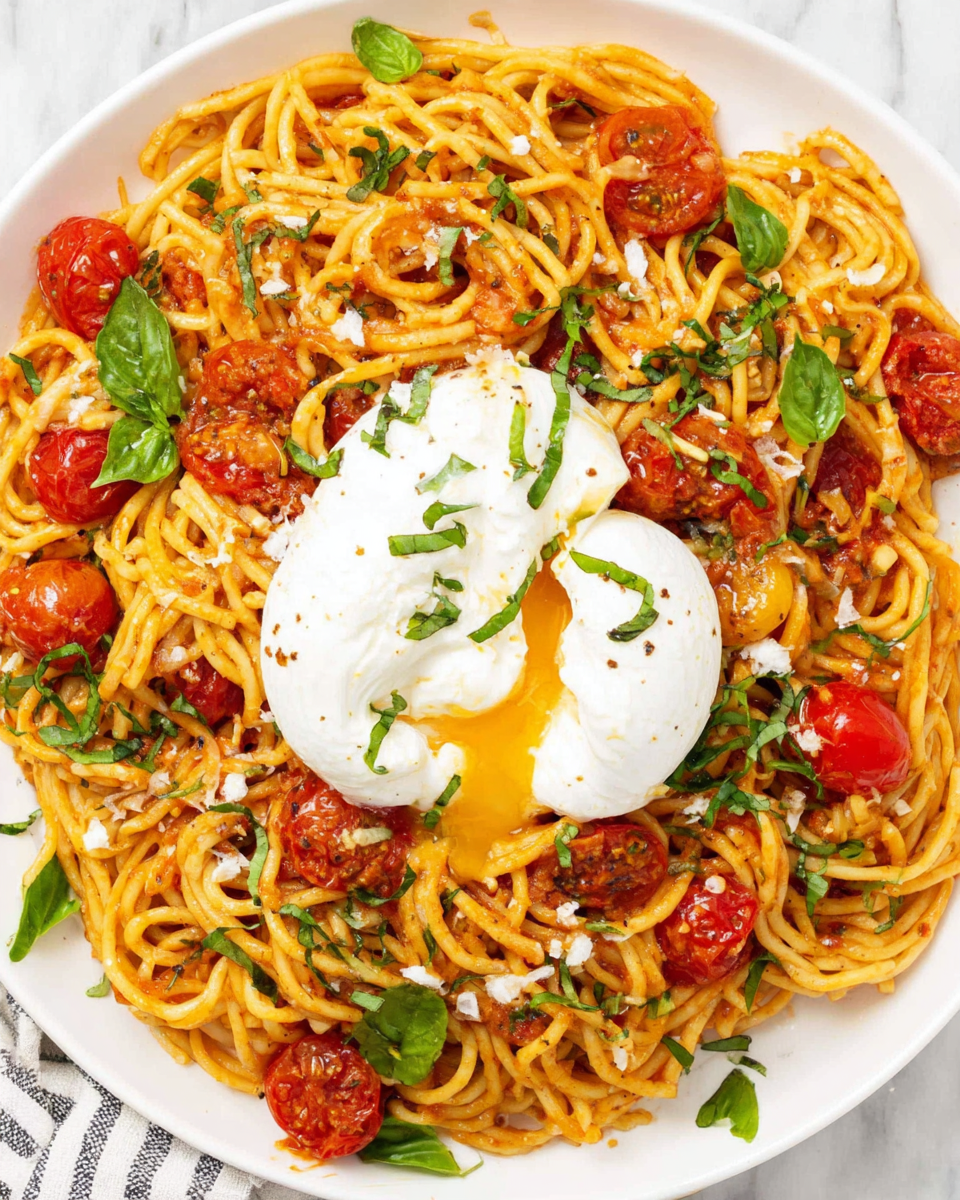
Elevate Your Dinner with Burrata Pasta
Ingredients
Method
- Cook the pasta in salted boiling water until al dente.
- While the pasta cooks, heat olive oil in a large skillet over medium heat.
- Add minced garlic and halved cherry tomatoes to the skillet.
- Cook until tomatoes soften and release juices, about 5-7 minutes.
- Season with salt and pepper, and stir in torn basil leaves.
- Drain the pasta and add it directly to the skillet with the tomato sauce.
- Remove from heat and gently fold in the burrata, breaking it into pieces.
- Serve immediately, garnished with more fresh basil if desired.
Notes
Additional serving suggestions: pair with a crisp salad, garlic bread, or roasted seasonal vegetables for balance.
For make-ahead, prep components separately and assemble just before heating to preserve texture.
Taste and adjust with acid (lemon/vinegar) and salt right at the end to wake up flavors.