Introduction
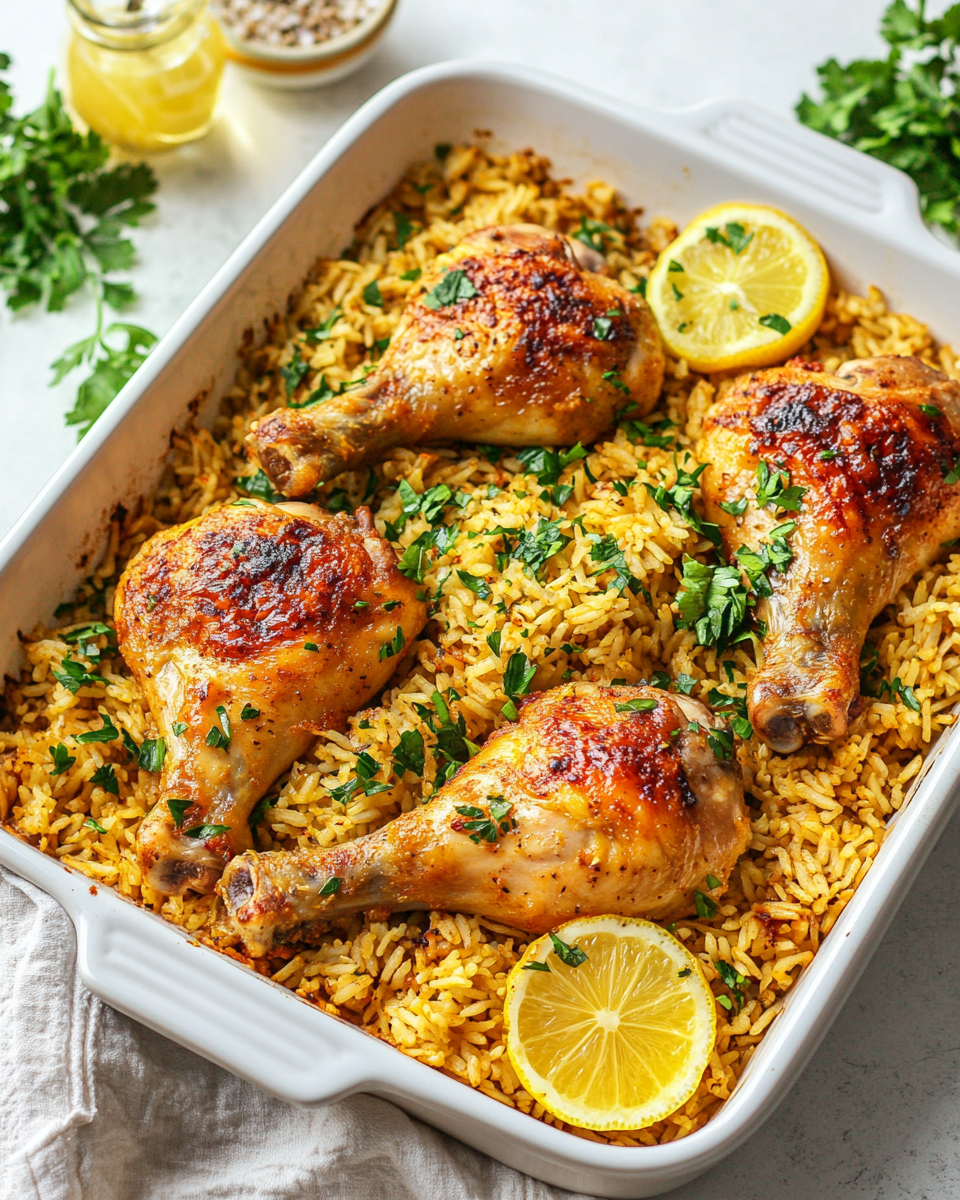
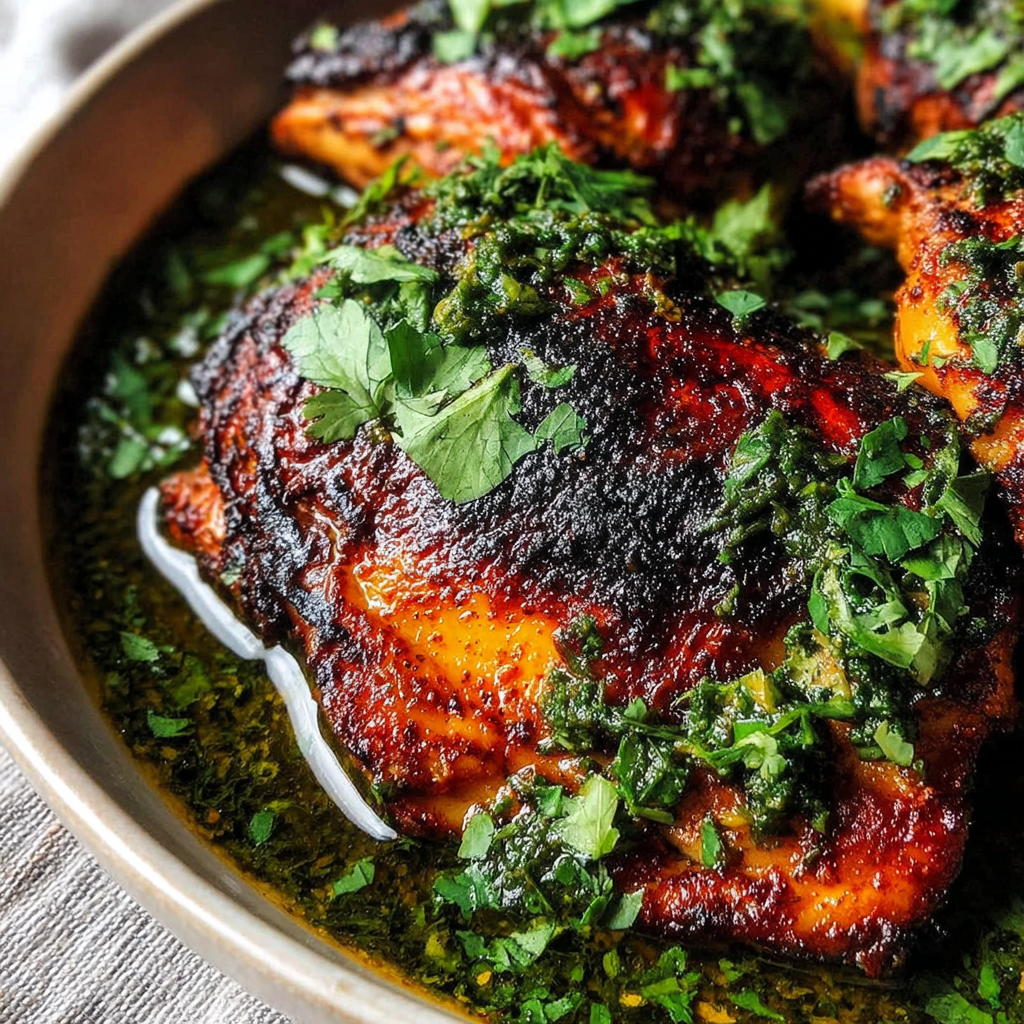
Moroccan Spiced Chicken is a vibrant dish that encapsulates the essence of North African cuisine. With its rich blend of spices, this recipe promises to elevate your weeknight dinner into a culinary journey. Not only is it flavorful, but it also brings warmth and comfort to any table, making it perfect for family gatherings or intimate dinners.
The complexity of Moroccan spices—ranging from warm and sweet to bold and peppery—harmonizes beautifully with tender chicken. As you explore the aromatic notes of cumin, coriander, and cinnamon, you'll discover how each spice complements the other, creating a delightful marriage of flavors that speak to the heart of Moroccan cooking. Get ready to impress with this fragrant dish that showcases your culinary skills.
Ingredients
- 4 bone-in, skin-on chicken thighs
The chicken thighs are chosen for their rich flavor and tenderness, which becomes even more pronounced during the cooking process. The bone and skin ensure juiciness, resulting in a sumptuous dish. - 2 tablespoons olive oil
Olive oil adds healthy fat that enhances the overall richness of the dish. It helps in browning the chicken, imparting a savory depth and enabling the spices to adhere well. - 2 teaspoons ground cumin
Cumin lends a warm earthiness that is essential in Moroccan cuisine. Its aromatic properties not only flavor the chicken but also help in digestion. - 1 teaspoon ground coriander
Coriander brings a citrusy sweetness that brightens the dish. When paired with other spices, it helps round out the flavor profile, preventing any single spice from dominating. - 1 teaspoon smoked paprika
This ingredient adds a mild sweetness and a subtle smokiness, which contributes complexity to the dish. It also gives a beautiful color that makes the dish visually appealing. - 1/2 teaspoon ground cinnamon
Cinnamon introduces a warm, sweet note that balances the spiciness of the other ingredients. It's a signature spice in Moroccan cooking that adds depth. - 1/2 teaspoon cayenne pepper
The cayenne enhances the heat level, providing a slight kick that elevates the entire dish. Adjust this according to your spice tolerance. - Salt and black pepper to taste
These basic seasonings are crucial for accentuating the flavors of the chicken and spices. Proper seasoning makes a significant difference in the overall taste. - 1 cup low-sodium chicken broth
Chicken broth serves as the cooking base, infusing moisture and flavor into the chicken as it simmers. It provides the necessary liquid for braising. - 1 cup dried apricots, chopped
Dried apricots add a sweet and fruity contrast to the savory spices. Their texture softens during cooking, contributing to the dish's rich mouthfeel. - 1/4 cup fresh cilantro or parsley, chopped (for garnish)
Fresh herbs provide a vibrant pop of color and a refreshing flavor that brightens the dish. Garnishing with herbs enhances both presentation and taste.
Directions & Preparation
Step 1: 1. Prepare the chicken thighs by seasoning them with salt, black pepper, cumin, coriander, smoked paprika, cinnamon, and cayenne.
This initial step is crucial as it allows the chicken to absorb all the spices right from the beginning. Ensure that each piece is evenly coated, which will enhance the flavor during the cooking process. It’s recommended to let the chicken sit for about 15-30 minutes to marinate in the spices for optimal taste.
Step 2: 2. Heat olive oil in a large skillet over medium-high heat.
Heating the olive oil before adding the chicken is essential for achieving a golden brown crust. This step not only enhances the flavor of the chicken but also prevents sticking. It’s important to let the oil get hot enough before placing the chicken, which ensures a flavorful sear.
Step 3: 3. Add the seasoned chicken thighs to the hot skillet, skin-side down, and sear until golden brown, about 5-7 minutes per side.
Searing the chicken creates a delicious crust that locks in juices, making the meat tender and flavorful. It also caramelizes the spices on the surface of the chicken, intensifying the overall flavor profile. Make sure not to overcrowd the skillet; cook in batches if necessary.
Step 4: 4. Once browned, remove the chicken and set it aside. In the same skillet, add the chopped dried apricots to toast slightly for 1-2 minutes.
Toasting the dried apricots enhances their natural sweetness and adds a lovely depth to the dish. This step helps integrate the apricots’ flavor into the oil left in the pan, creating a flavorful base for the next step. The slightly caramelized fruit will contrast beautifully with the savory chicken.
Step 5: 5. Return the chicken to the skillet and pour in the chicken broth, scraping the bottom to incorporate any browned bits.
Deglazing the pan is key to maximizing flavor; it incorporates all those tasty bits stuck to the bottom, ensuring nothing goes to waste. The broth will not only keep the chicken moist but also create a delightful sauce that melds the spices and apricots together.
Step 6: 6. Bring the mixture to a simmer, then reduce the heat to low, cover, and let it cook for about 30-40 minutes, or until the chicken is cooked through.
Simmering gently allows the chicken to absorb flavors from the broth and spices without becoming dry or tough. Covering the skillet creates a steaming effect, which is essential for tender, juicy chicken. Check for doneness with a meat thermometer; it should read 165°F.
Step 7: 7. Once cooked, remove the chicken from the skillet and let it rest for a few minutes before serving.
Resting is an important step that allows the juices to redistribute within the meat, resulting in a moist final product. During this time, the sauce can be further reduced if desired, intensifying the flavors even more. Moving quickly to this step will help maintain the chicken’s juiciness.
Step 8: 8. Serve the chicken on a platter, spooning the apricot sauce over, and garnish with fresh cilantro or parsley.
Presentation is key to enjoying this dish fully. Drizzling the sauce over the chicken not only makes it more appetizing but also showcases the vibrant colors and flavors. The fresh herbs add a burst of brightness that elevates the dish visually and flavor-wise.

Aromatic Spice Blend of Morocco
The signature of Moroccan cuisine lies in its aromatic spice blends. In this dish, spices like cumin, coriander, and cinnamon are not just ingredients but storytellers that evoke the rich tapestry of Moroccan culture. Each spice has a purpose—balancing sweetness with warmth and heat, ensuring that every bite is a showcase of complex flavors that transport you to the bustling markets of Marrakech.
Perfect Pairings for Moroccan Chicken
To enhance your Moroccan Spiced Chicken, consider traditional pairings like couscous or fragrant rice. Couscous, with its fluffy texture, absorbs the apricot-infused sauce beautifully and provides a satisfying base. Additionally, serving with a refreshing salad featuring citrus fruits can brighten the dish, cutting through the richness and creating a well-rounded meal.
Elevating Leftovers into New Meals
Leftover Moroccan Spiced Chicken can be transformed into delightful new meals. Shred it and mix with a fresh yogurt sauce for a tangy wrap, or add it to salads for a protein boost. The rich flavors even lend themselves well to pizzas or quesadillas, allowing you to enjoy a taste of Morocco in various forms while minimizing food waste.
FAQs
What if my chicken is overcooked?
If the chicken is overcooked and dry, consider adding more broth to the pan and simmering briefly. This can help moisten the meat and restore some juiciness.
How can I adjust the spice level of this dish?
To adjust the spice level, simply reduce the amount of cayenne pepper. You can also add mild chili powder if you want a hint of spice without the heat.
What if my sauce is too thick?
If your sauce turns out too thick, add a bit more chicken broth or water, stirring well until you reach the desired consistency. This will help loosen it up without compromising the flavor.
Can I use boneless chicken for this recipe?
Yes, boneless chicken can be used, but be mindful of cooking times as they will cook faster. Adjust your cooking time to ensure they don’t dry out.
What side dishes complement this chicken best?
Couscous, roasted vegetables, or a simple green salad work wonderfully alongside Moroccan Spiced Chicken, adding both flavor and texture.
What should I do if I want to make this dish spicy?
For extra heat, increase the cayenne pepper or add fresh chopped chili peppers during cooking. Spice it up gradually to find your optimal heat level.
Conclusion
Moroccan Spiced Chicken is not just a meal but a delightful experience that engages all the senses. The enticing aromas that fill your kitchen as it cooks signify warmth and hospitality, hallmarks of Moroccan culture. This dish is sure to impress your family and friends while also becoming a favorite in your repertoire.
Whether you savor it straight from the skillet or transform leftovers into new culinary creations, this dish showcases versatility and depth. Embrace the rich flavors of Morocco and enjoy the many joys that come with cooking and sharing good food.
Recipe Card
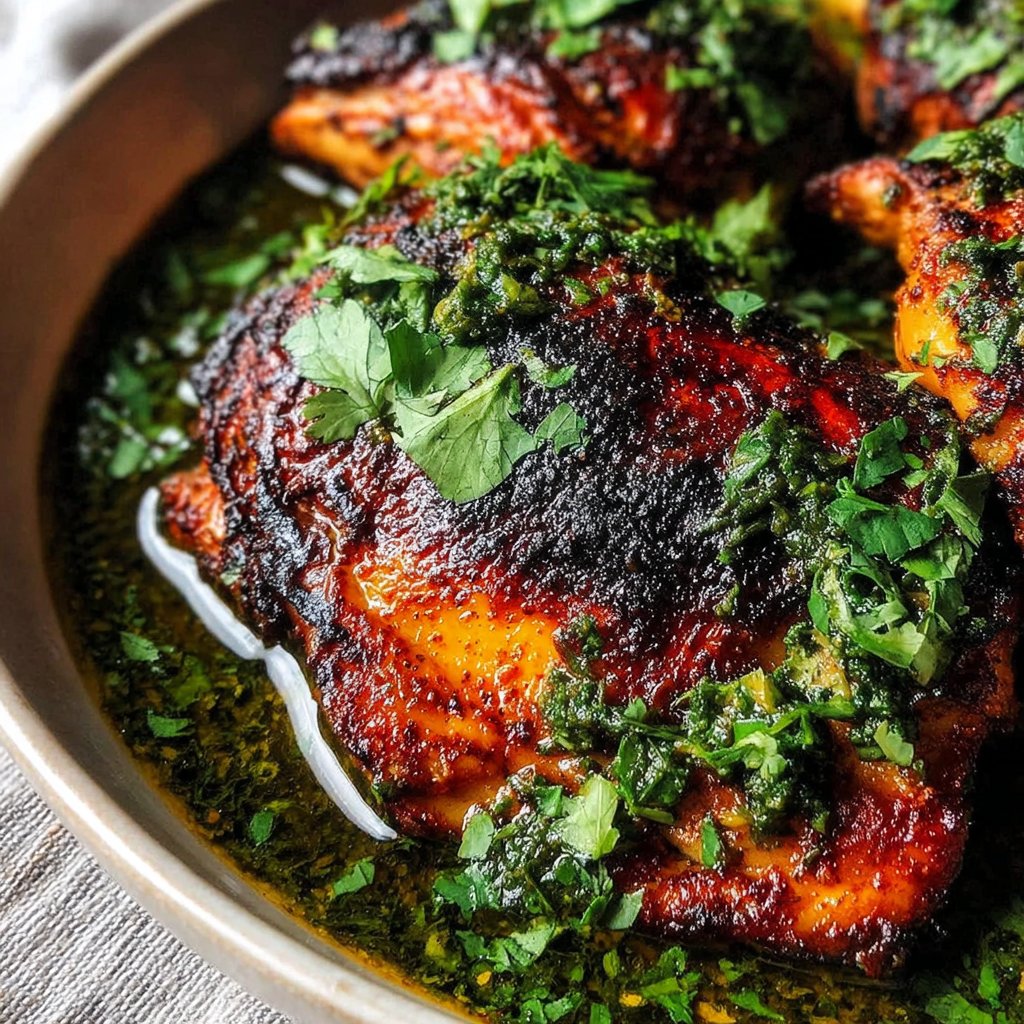
Savory Moroccan Spiced Chicken for Home Cooks
Ingredients
Method
- 1. Prepare the chicken thighs by seasoning them with salt, black pepper, cumin, coriander, smoked paprika, cinnamon, and cayenne.
- 2. Heat olive oil in a large skillet over medium-high heat.
- 3. Add the seasoned chicken thighs to the hot skillet, skin-side down, and sear until golden brown, about 5-7 minutes per side.
- 4. Once browned, remove the chicken and set it aside. In the same skillet, add the chopped dried apricots to toast slightly for 1-2 minutes.
- 5. Return the chicken to the skillet and pour in the chicken broth, scraping the bottom to incorporate any browned bits.
- 6. Bring the mixture to a simmer, then reduce the heat to low, cover, and let it cook for about 30-40 minutes, or until the chicken is cooked through.
- 7. Once cooked, remove the chicken from the skillet and let it rest for a few minutes before serving.
- 8. Serve the chicken on a platter, spooning the apricot sauce over, and garnish with fresh cilantro or parsley.
Notes
Additional serving suggestions: pair with a crisp salad, garlic bread, or roasted seasonal vegetables for balance.
For make-ahead, prep components separately and assemble just before heating to preserve texture.
Taste and adjust with acid (lemon/vinegar) and salt right at the end to wake up flavors.