Introduction
As autumn’s chill arrives, the vibrant colors of seasonal produce become more enticing. One of the most delightful duos to grace your table is roasted butternut squash and Brussels sprouts, rich in flavor and packed with nutrients. This dish not only embodies the essence of fall but also offers a balance of sweet and savory that delights the palate.
The warm, nutty flavor of roasted butternut squash pairs beautifully with the earthy, slightly bitter taste of Brussels sprouts. Each bite is enhanced by the crunch of pecans and the tartness of cranberries, making it a versatile side dish for celebrations or a comforting staple for weeknight dinners. You'll find that the harmony of flavors creates a seasonal medley you won’t soon forget.
Ingredients
- 1 medium butternut squash, peeled and diced (about 3-4 cups)
Butternut squash offers a naturally sweet flavor that caramelizes beautifully when roasted. Its texture adds heartiness to the dish, making it a perfect companion for the vegetables. - 1 lb Brussels sprouts, trimmed and halved
Brussels sprouts provide a satisfying crunch next to the tender squash. Their slightly bitter flavor alleviates the sweetness of the squash, creating a balanced dish. - 1 cup pecans, roughly chopped
Pecans add a delightful crunch and a rich, buttery flavor that complements the sweetness of the squash and the tanginess of the cranberries. - 1 cup dried cranberries
The tart sweetness of cranberries introduces a pop of flavor that brightens the dish. They also contrast nicely with the smokiness of the roasted vegetables. - 3 tablespoons olive oil
Olive oil is essential for coating the vegetables to ensure even roasting. It helps to enhance the flavor while also contributing to a crisp, golden exterior. - Salt and pepper, to taste
Seasoning with salt and pepper enhances the natural flavors of each ingredient, ensuring a well-balanced dish. - 1 tablespoon balsamic vinegar (optional)
Balsamic vinegar adds acidity and depth to the dish, bringing out the sweetness of the squash and cranberries even further, enriching the entire flavor profile.
Directions & Preparation
Step 1: Preheat the oven to 400°F (200°C).
Preheating the oven is crucial for achieving that desired roasted effect. A hot oven helps to caramelize the sugars in the vegetables, developing their flavors and creating a beautiful golden brown color.
Step 2: Prepare the vegetables: peel and dice the butternut squash, trim and halve the Brussels sprouts, and chop the pecans and cranberries.
Preparation is key to ensuring even cooking. Uniform sizes guarantee that all the vegetables roast at the same rate. Taking care in the preparation stage will also enhance the presentation of your dish.
Step 3: In a large bowl, combine the butternut squash and Brussels sprouts. Drizzle with olive oil and season with salt and pepper; toss to coat.
Coating the vegetables evenly with olive oil and seasoning helps to promote even roasting and caramelization. Be generous with the oil to facilitate this process without making it soggy.
Step 4: Spread the mixture evenly on a baking sheet lined with parchment paper.
Spreading the vegetables out ensures that they roast rather than steam. Overcrowding the baking sheet can lead to uneven cooking and a lack of that desired roastiness.
Step 5: Roast in the preheated oven for 25-30 minutes, stirring halfway through, until the vegetables are tender and caramelized.
Stirring the vegetables midway through roasting ensures they cook evenly and that all sides have a chance to caramelize. This step is essential for developing flavor and texture.
Step 6: In the last 5 minutes of roasting, add the chopped pecans and dried cranberries to the baking sheet, stirring to combine.
Adding the pecans and cranberries toward the end prevents them from burning while allowing them to warm and infuse their flavors into the dish. Their textures also enhance the final eating experience.
Step 7: If desired, drizzle with balsamic vinegar before serving; toss gently to incorporate.
The addition of balsamic vinegar just before serving elevates the dish with a burst of acidity. It brings all the flavors together, balancing sweetness and earthiness.
Step 8: Serve warm as a side dish or over a bed of grain for a hearty meal.
This dish is versatile, serving well as a side or as a main course with grains. Enjoy it warm to appreciate the different textures and flavors fully.

Perfecting the Roast: Why Temperature Matters
Roasting vegetables requires a delicate balance of temperature and timing. An oven set to the right heat level, around 400°F, ensures that the exterior becomes crisp while the interior cooks through perfectly. High temperatures facilitate caramelization, which is essential for enhancing sweetness and flavor. This step turns simple ingredients into a gourmet dish.
Adding Texture: The Role of Nuts and Fruits
The inclusion of pecans and cranberries not only introduces contrasting textures but also enriches the overall flavor profile. Pecans provide a satisfying crunch and a nutty richness; they contribute healthy fats that enhance satiety. Dried cranberries, on the other hand, add a burst of tartness that counterbalances the sweetness of roasted vegetables, creating a harmonious blend.
Versatile Serving Suggestions
This dish is versatile enough to accompany various meals. Serve it alongside roasted meats, such as chicken or pork, or let it shine as a vegetarian main over quinoa or wild rice. It also makes a delightful addition to holiday tables, offering a colorful and nutritious option among more traditional fare.
FAQs
What can I do if my Brussels sprouts are too bitter?
If your Brussels sprouts taste too bitter, try trimming them to expose more of the tender inner leaves, or add a touch more sweetness by including an additional handful of cranberries.
How can I make this dish more filling?
To make this dish more filling, consider serving it over a base of grains like quinoa or farro. You can also add a protein, such as roasted chickpeas or grilled chicken.
What if my vegetables are not caramelizing well?
If the vegetables aren't caramelizing properly, ensure they are spread out in a single layer on the baking sheet. Overcrowding can lead to steaming instead of roasting.
Can I enhance the flavor even more?
For additional flavor, try adding fresh herbs like thyme or rosemary during the last few minutes of roasting, or finish with a sprinkle of feta cheese for a tangy kick.
How can I adjust this recipe for smaller portions?
To scale this recipe down, simply halve the quantities of each ingredient while maintaining the same cooking temperature and time; check for doneness a little earlier.
What if my pecans burn during roasting?
To prevent pecans from burning, add them later in the roasting process, as noted. This way, they can warm and toast without overcooking.
Conclusion
Roasted butternut squash and Brussels sprouts with pecans and cranberries is a dish that showcases the beauty of fall flavors. Its mix of textures and tastes not only appeals to the palate but also creates a festive touch to any meal.
Embrace the freshness of seasonal produce and experiment with this recipe as a side or a hearty main. It's a delicious way to celebrate the bounty of autumn, leaving you and your guests satisfied and eager for more.
Recipe Card
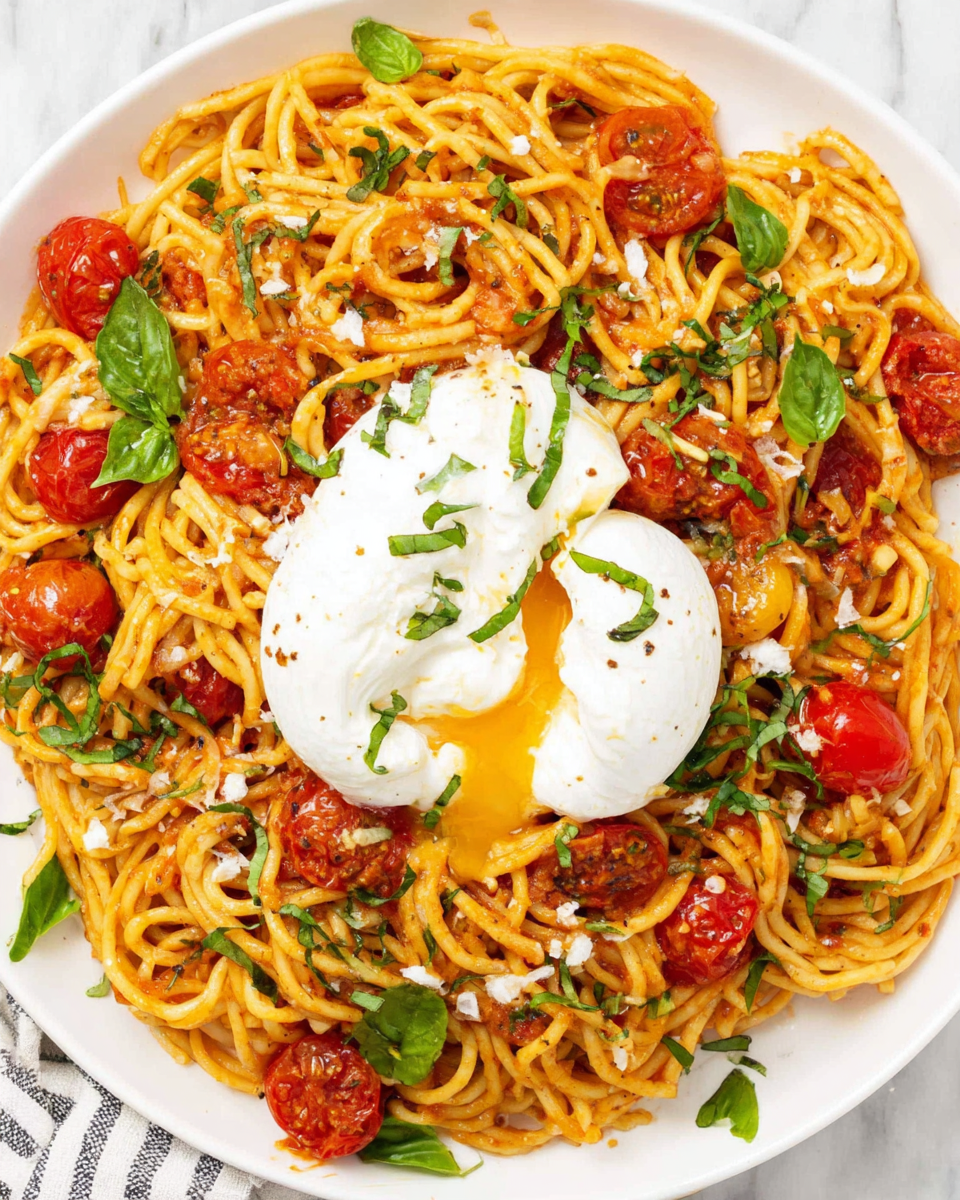
Elevate Your Dinner with Burrata Pasta
Ingredients
Method
- Cook the pasta in salted boiling water until al dente.
- While the pasta cooks, heat olive oil in a large skillet over medium heat.
- Add minced garlic and halved cherry tomatoes to the skillet.
- Cook until tomatoes soften and release juices, about 5-7 minutes.
- Season with salt and pepper, and stir in torn basil leaves.
- Drain the pasta and add it directly to the skillet with the tomato sauce.
- Remove from heat and gently fold in the burrata, breaking it into pieces.
- Serve immediately, garnished with more fresh basil if desired.
Notes
Additional serving suggestions: pair with a crisp salad, garlic bread, or roasted seasonal vegetables for balance.
For make-ahead, prep components separately and assemble just before heating to preserve texture.
Taste and adjust with acid (lemon/vinegar) and salt right at the end to wake up flavors.