Introduction
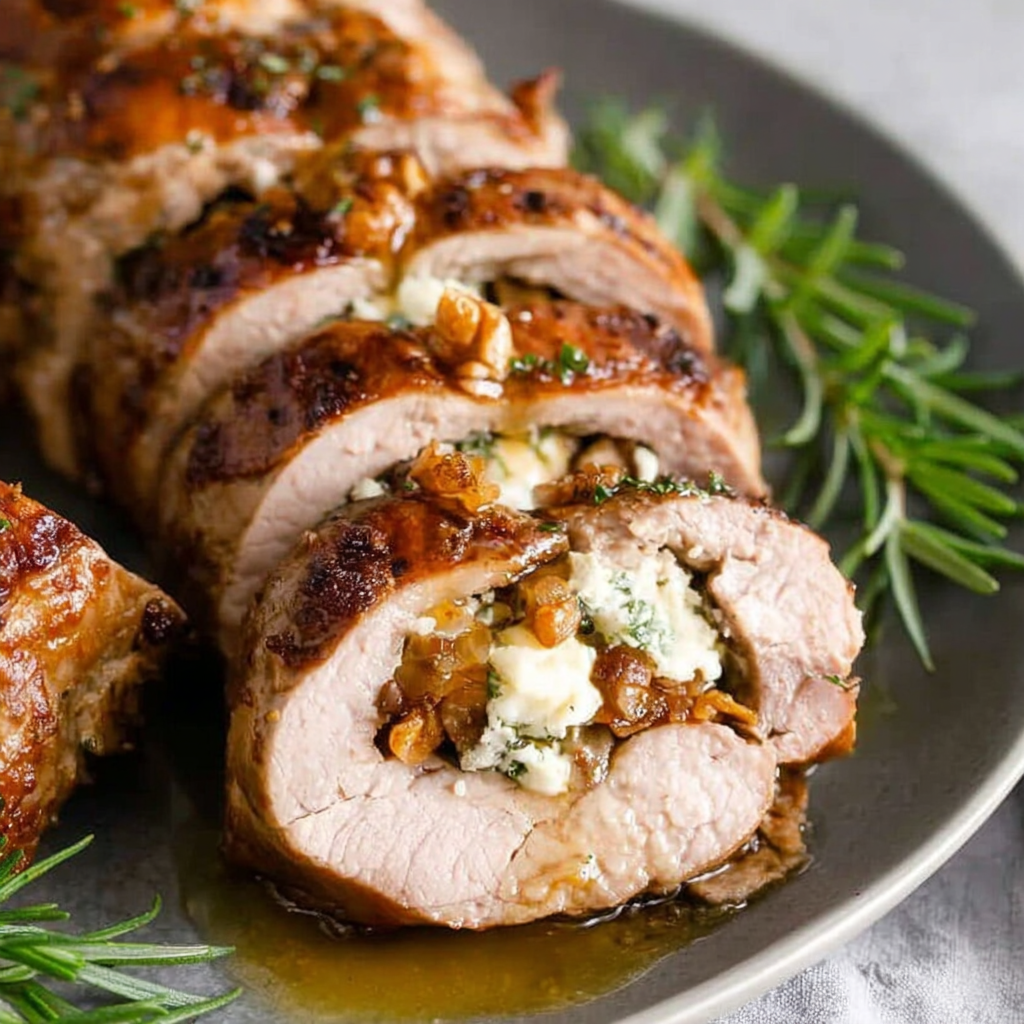
When it comes to entertaining or simply enjoying a delicious meal at home, stuffed pork tenderloin stands out as a savory and satisfying dish. This recipe not only promises flavor but also showcases how versatile and elegant pork can be, elevating everyday dining into something special.
The beauty of a stuffed pork tenderloin lies in its adaptability. Whether you're preparing a cozy family dinner or hosting a festive gathering, this dish can be tailored to suit various tastes. With a flavorful stuffing and a well-cooked tenderloin, you'll impress your guests and satisfy your hunger.
Ingredients
- 2 pork tenderloins (about 1 pound each)
Pork tenderloin is a lean cut of meat that is both tender and flavorful. It serves as the base of the dish and provides a perfect canvas for the stuffing. - 1 cup spinach, chopped
Spinach adds a vibrant color and a wealth of nutrients. It brings a mild, slightly earthy flavor that pairs wonderfully with the pork. - 1 cup mushrooms, finely chopped
Mushrooms introduce a savory umami flavor and a pleasant earthiness to the filling. They also contribute moisture, helping to keep the stuffing moist during cooking. - 1 cup ricotta cheese
Ricotta cheese adds creaminess and richness to the stuffing, balancing out the flavors and contributing to a luscious texture. - 1 teaspoon garlic, minced
Garlic intensifies the flavor profile of the dish, introducing aromatic components that enhance the overall taste. It also complements the pork beautifully. - 1 tablespoon fresh thyme, chopped
Thyme is an aromatic herb that adds depth and complexity to the stuffing. Its floral notes harmonize with the other ingredients. - Salt and pepper to taste
These basic seasonings are essential for enhancing the flavors of the dish. Proper seasoning will elevate the overall taste of both the pork and the stuffing. - Olive oil for searing (about 2 tablespoons)
Olive oil is used to sear the pork, creating a beautiful brown crust that locks in juices and flavors. It also provides a bit of richness. - 1/2 cup chicken broth (for moisture)
Chicken broth adds moisture to the dish, enhancing the flavors of the pork during cooking and ensuring that the stuffing remains succulent.
Directions & Preparation
Step 1: Preheat your oven to 375°F (190°C).
Preheating the oven is crucial as it ensures that the pork tenderloin will cook evenly and attain the desired internal temperature. Starting with a hot oven helps in setting the crust and retains juiciness.
Step 2: In a skillet, heat olive oil over medium heat and sauté mushrooms and garlic until softened, about 5 minutes.
This step enhances the flavors of the mushrooms and garlic. Sautéing releases their natural flavors, adding complexity to the stuffing while also reducing moisture to prevent sogginess.
Step 3: Add chopped spinach and thyme to the skillet, stirring until the spinach wilts. Remove from heat and let cool slightly.
Cooking the spinach until it wilts releases excess moisture and concentrates its flavor. Allowing the mixture to cool prevents the ricotta from curdling when combined later.
Step 4: In a mixing bowl, combine the ricotta cheese, spinach mixture, and season with salt and pepper.
Mixing these ingredients allows the ricotta to absorb the flavors of the sautéed vegetables. Proper seasoning at this stage helps the stuffing shine, ensuring every bite is delicious.
Step 5: Prepare the pork tenderloins by slicing them lengthwise, creating a pocket for the stuffing.
Cutting the tenderloins creates a pocket to hold the stuffing. Be careful not to cut through the ends; this will trap the filling and prevent it from escaping while cooking.
Step 6: Stuff the pork tenderloins with the ricotta and vegetable mixture, then secure them with kitchen twine.
Stuffing the pork ensures maximum flavor and moisture retention. Securing with twine helps the tenderloins keep their shape during cooking, resulting in an even cook and beautiful presentation.
Step 7: Heat a bit more olive oil in the skillet and sear each side of the stuffed tenderloin until browned, about 3-4 minutes per side.
Searing the tenderloin develops a flavorful crust and locks in juices. This step is pivotal for both flavor and appearance, giving the pork a beautiful golden color.
Step 8: Transfer the seared pork to a baking dish and pour chicken broth around it. Bake for 25-30 minutes until cooked through.
Baking finishes the cooking process while allowing the pork to absorb flavors from the broth. The moist heat helps in keeping the pork tender, preventing dryness.
Step 9: Let the pork rest for 10 minutes before slicing.
Resting allows juices to redistribute throughout the meat, making each slice juicy and flavorful. Skipping this step can result in dry pork as juices escape upon slicing.
Step 10: Slice the pork tenderloin into medallions and serve.
Slicing the tenderloin into medallions not only presents beautifully but also makes it easier for guests to enjoy. Serve with a drizzle of the remaining broth for added flavor.

A Flavorful Filling for Every Palate
The stuffing for your pork tenderloin can be adjusted according to your taste preferences. Feel free to add different vegetables, cheeses, or even nuts to create a unique flavor profile. For instance, sun-dried tomatoes or feta can offer Mediterranean flair, while adding nuts can introduce a satisfying crunch.
Perfect Pairings: Sides to Complement the Dish
When serving stuffed pork tenderloin, consider side dishes that enhance its rich flavors. Roasted vegetables or creamy mashed potatoes work beautifully. Additionally, a fresh salad with a light vinaigrette can balance the dish's richness, refreshing the palate between bites and making for a well-rounded meal.
Make It Your Own: Creative Variations
This stuffed pork tenderloin recipe is a canvas for creativity; experiment with different herbs or spices. A touch of smoked paprika or a hint of balsamic reduction drizzled on top can add a burst of flavor. Additionally, you can incorporate fruits like apples or cranberries in the stuffing for a touch of sweetness that contrasts delightfully with the savory pork.
FAQs
Can I use a different type of cheese for the stuffing?
Certainly! Cream cheese or goat cheese can offer unique flavors and textures that still work well in the stuffing.
What if my pork tenderloin is overcooked?
If overcooked, the pork may become dry. To counter this, serve it with a flavorful sauce or gravy that can help moisten the meat.
How can I scale this recipe for a smaller gathering?
You can easily halve the ingredient amounts to make one tenderloin instead of two, adjusting cooking time as needed.
Can I add fruits to the stuffing?
Yes! Dried fruits like apricots or cranberries can add a sweet contrast that pairs well with the savory filling.
What can I do if my stuffing is too dry?
If your stuffing seems dry, consider adding a bit more ricotta or some broth to moisten it before stuffing the pork.
What side dishes pair well with stuffed pork tenderloin?
Consider serving roasted root vegetables, asparagus, or a mix of seasonal greens to create a balanced plate.
Conclusion
Stuffed pork tenderloin is an ideal dish that perfectly balances flavors and textures, making it a versatile option for any occasion. From intimate dinners to festive gatherings, this recipe will not disappoint.
Experimenting with various fillings opens the door to endless possibilities, allowing each cook to personalize it to their liking. Enjoy the robust flavors, and celebrate the joy of home-cooked meals.
Recipe Card
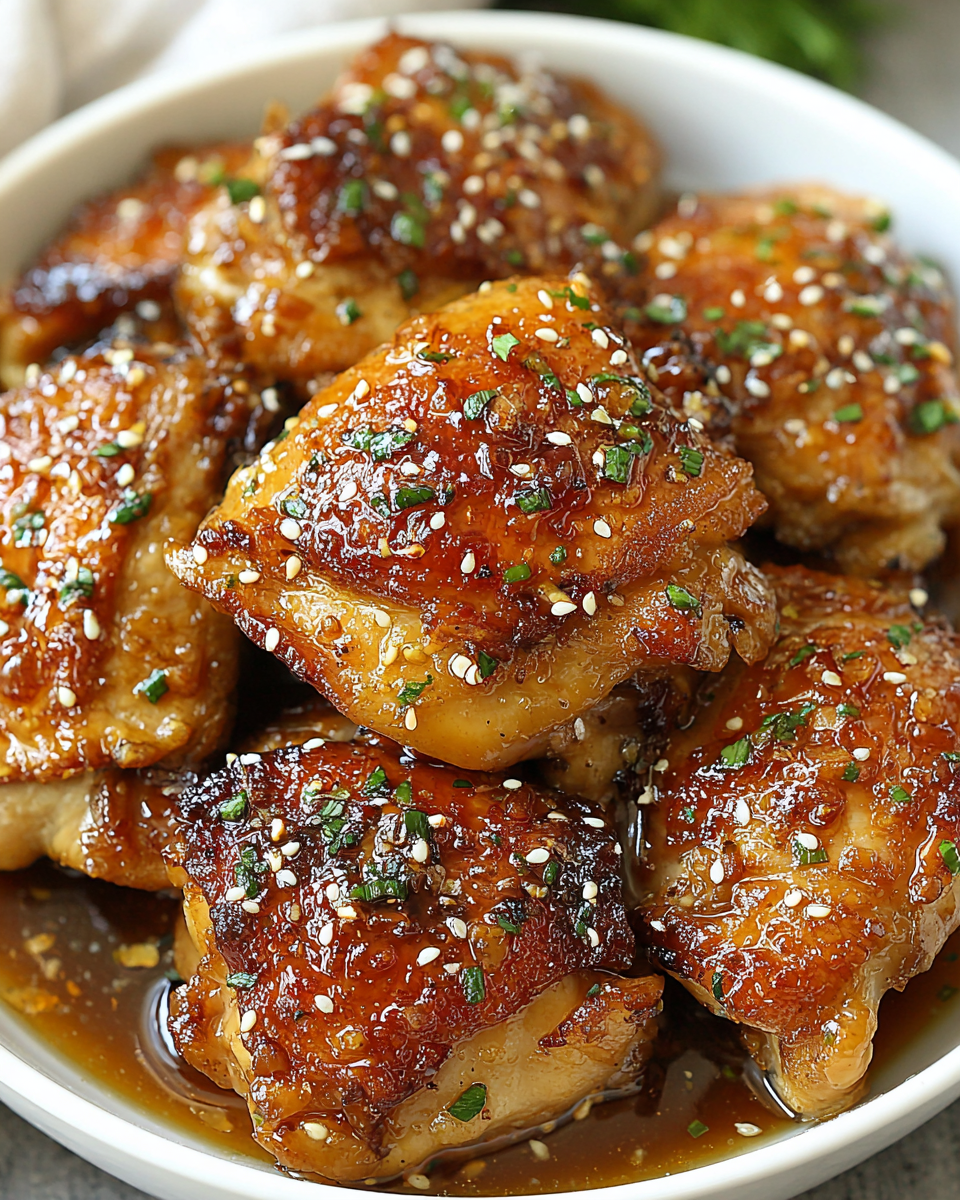
Sweet and Savory Honey Garlic Chicken Thighs Recipe
Ingredients
Method
- Prepare the chicken thighs by patting them dry and seasoning with salt and pepper.
- In a mixing bowl, whisk together honey, soy sauce, minced garlic, apple cider vinegar, black pepper, and sesame oil.
- Place chicken thighs in the slow cooker and pour the sauce over them.
- Set the slow cooker to low and cook for 4-5 hours, or until chicken is tender and fully cooked.
- Once cooked, remove chicken from the slow cooker and let it rest briefly before serving.
- Serve the chicken thighs garnished with sliced green onions and drizzled with additional sauce from the slow cooker.
Notes
Additional serving suggestions: pair with a crisp salad, garlic bread, or roasted seasonal vegetables for balance.
For make-ahead, prep components separately and assemble just before heating to preserve texture.
Taste and adjust with acid (lemon/vinegar) and salt right at the end to wake up flavors.