Introduction
Carne Asada is a beloved dish that hails from Mexico, celebrated for its bold flavors and succulent texture. This grilled beef dish transcends mere sustenance, often serving as the centerpiece for gatherings and celebrations.
The magic of Carne Asada lies in the marination process, which infuses the meat with a harmonious blend of spices, citrus, and herbs. When grilled to perfection, it becomes tender and juicy, inviting everyone to savor each bite.
Whether you’re hosting a barbecue or simply looking for a comforting weeknight meal, Carne Asada is sure to impress. It pairs beautifully with various sides, making it a versatile choice for any occasion.
Ingredients
- 2 lbs flank steak
Flank steak is a flavorful cut of beef that becomes tender when marinated. Its wide surface area is perfect for absorbing marinades, ensuring every bite is packed with flavor. - 3 cloves garlic, minced
Garlic adds a robust flavor to the marinade, enhancing the overall taste of the Carne Asada. It also has aromatic qualities that make the dish inviting. - 1/4 cup olive oil
Olive oil acts as a base for the marinade, helping to tenderize the meat while allowing the spices to adhere. It also contributes a rich, subtle flavor. - 1/4 cup lime juice
Lime juice provides acidity, which is key for tenderizing the meat and brightening the overall flavor profile. Its citrus notes complement the richness of the beef. - 1 tbsp chili powder
Chili powder adds warmth and depth to the Carne Asada. It can vary in heat, but it generally infuses a slight smokiness that enhances the dish. - 1 tsp ground cumin
Cumin brings an earthy, slightly nutty flavor, adding complexity to the marinade. It’s an essential spice in many Mexican dishes. - 1 tsp salt
Salt is vital for flavor enhancement. It helps to draw moisture into the meat, making it juicier during cooking. - 1/2 tsp black pepper
Black pepper adds a touch of heat and complements the other spices in the marinade, creating a balanced flavor. - 1/4 cup fresh cilantro, chopped (for garnish)
Cilantro provides a refreshing, herbal note that brightens the dish. It is often used as a garnish in Mexican cuisine, enhancing visual appeal.
Directions & Preparation
Step 1: Prepare the marinade.
In a bowl, combine the minced garlic, olive oil, lime juice, chili powder, cumin, salt, and black pepper. This aromatic blend will not only infuse the meat with flavor but also facilitate tenderization. Allow the marinade to sit for a few minutes to let the flavors meld together. A well-combined marinade ensures an even distribution of flavors across the steak.
Step 2: Marinate the flank steak.
Place the flank steak in a resealable plastic bag or a shallow dish and pour the marinade over it. Ensure the meat is fully coated. Seal the bag, removing as much air as possible, or cover the dish. Let it marinate in the refrigerator for at least 2 hours, ideally overnight. The longer it marinates, the more tender and flavorful it will become, allowing the spices and acidity to penetrate the meat.
Step 3: Preheat the grill.
Prepare your grill for high heat. If using a charcoal grill, ensure the coals are white-hot before cooking the meat. A high temperature is crucial for achieving a beautiful sear on the steak, locking in juices and enhancing flavor through caramelization.
Step 4: Grill the flank steak.
Remove the steak from the marinade and let any excess liquid drip off. Place it on the hot grill, cooking for about 5-7 minutes on each side, depending on thickness and desired doneness. The goal here is to create a nice crust while keeping the inside juicy. Keep an eye on the grill to prevent flare-ups and over-cooking.
Step 5: Rest the meat.
Once grilled, remove the steak and let it rest for at least 10 minutes. Resting allows the juices to redistribute throughout the meat, ensuring that every slice is juicy and tender. Cutting too soon can lead to juices running out, resulting in a drier bite.
Step 6: Slice and serve.
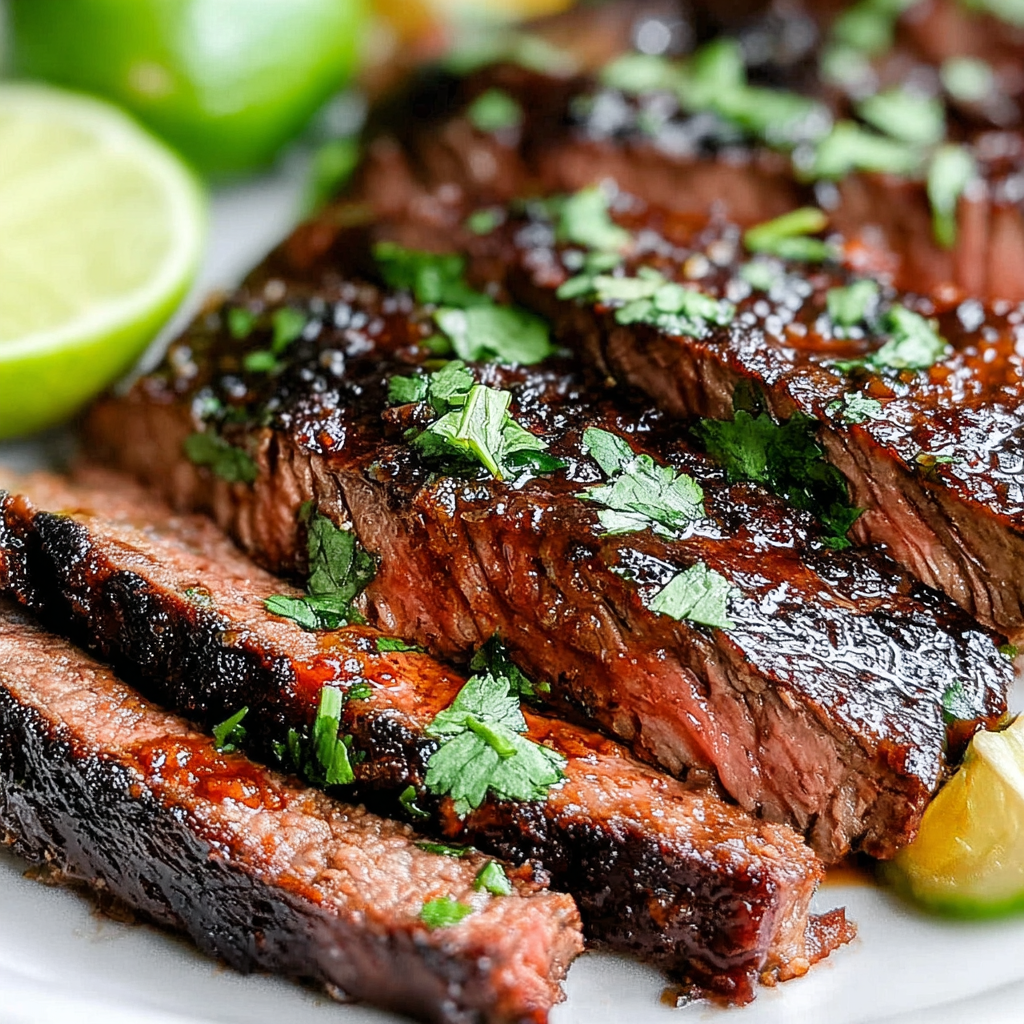
Using a sharp knife, slice the steak against the grain into thin strips. This technique breaks the meat fibers, making each piece easier to chew. Serve immediately, garnished with chopped cilantro, and enjoy it in tacos, burritos, or as a standalone dish alongside your favorite sides.

The Importance of Marinade Time
The marinating phase is crucial for Carne Asada, transforming an ordinary cut of beef into something extraordinary. The acidic component from lime juice not only tenderizes the flank steak but also brightens the overall flavor. For optimal results, marinating overnight allows the flavors to penetrate deeply, enhancing each bite. Don't rush this step—great flavor comes from patience.
Choosing the Right Cooking Method
While grilling is the traditional method for preparing Carne Asada, broiling or pan-searing can also yield delicious results. Each method has its charm; grilling provides a smoky flavor, while broiling gives a beautiful crust. Whichever method you choose, ensure the surface is hot and the cooking time is closely monitored to avoid drying out the meat.
Serving Suggestions for Carne Asada
Carne Asada can be enjoyed in a variety of ways. Serve the sliced meat in warm tortillas topped with fresh onions, cilantro, and a squeeze of lime for classic street taco vibes. Alternatively, serve it with rice and beans for a heartier meal. Pair with grilled veggies or a fresh salsa to elevate the dish further, making it suitable for any gathering.
FAQs
What is the best flank steak substitute if unavailable?
In the absence of flank steak, skirt steak or sirloin can serve as good substitutes, both offering great flavor and tenderness when properly marinated and cooked.
What can I do if my Carne Asada turns out too tough?
If your Carne Asada ends up tough, ensure you’re slicing against the grain, as this breaks down fibrous meat fibers. Additionally, consider increasing the marination time for better tenderness.
Can I use a different citrus in the marinade?
Yes, you can substitute lime juice with lemon or orange juice. Each will impart a different flavor profile, adding a unique twist to the overall dish.
What if I want to add more spice to the Carne Asada?
For added heat, consider incorporating diced jalapeños or crushed red pepper flakes into the marinade. Adjust the amount to suit your spice preference.
How do I know when my Carne Asada is done cooking?
Using a meat thermometer is the best method; aim for 130°F for medium-rare and 140°F for medium. The steak should also show good grill marks and a crusty exterior.
What accompaniments would pair well with Carne Asada?
Traditional sides include rice and beans, grilled corn, or a fresh salad. You can also serve it with guacamole and pico de gallo for a refreshing contrast.
Conclusion
Carne Asada embodies the essence of Mexican cuisine, with its emphasis on fresh ingredients and bold flavors. By mastering this dish, you’re not just preparing a meal; you’re embracing a cultural tradition that brings people together.
Feel free to experiment with various marinades and cooking methods to personalize your Carne Asada. With practice, you’ll create a signature style that will have friends and family clamoring for more.
Recipe Card
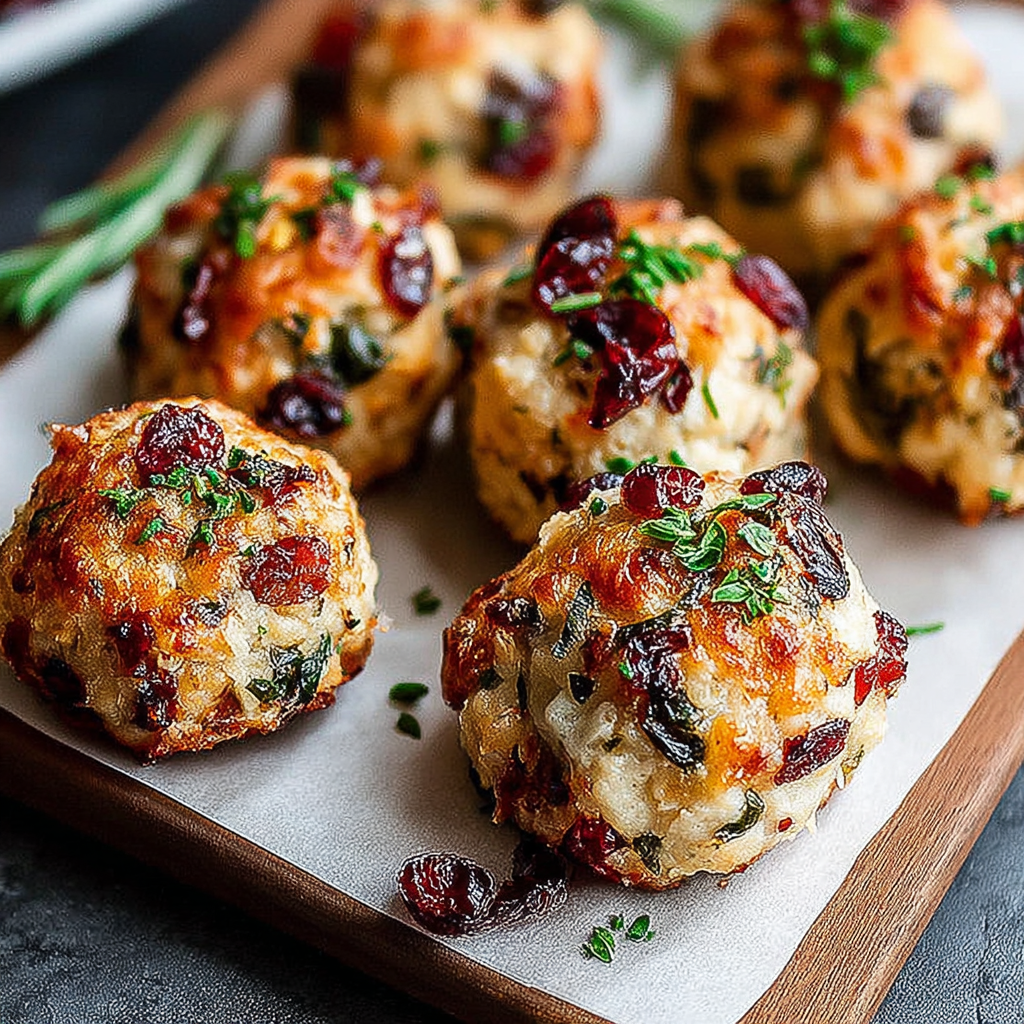
Cranberry Turkey Stuffing Balls for Home Cooks
Ingredients
Method
- Preheat your oven to 375°F (190°C).
- In a large mixing bowl, combine the ground turkey, stuffing mix, cranberries, onion, celery, garlic, thyme, sage, salt, and black pepper.
- In a separate bowl, whisk the egg and chicken broth together until well combined.
- Pour the egg mixture into the turkey mixture and stir until just combined.
- Using your hands, form the mixture into golf ball-sized balls and place them on a greased baking sheet.
- Bake in the preheated oven for 25-30 minutes or until the internal temperature reaches 165°F (74°C).
- Allow the stuffing balls to cool slightly before serving.
Notes
Additional serving suggestions: pair with a crisp salad, garlic bread, or roasted seasonal vegetables for balance.
For make-ahead, prep components separately and assemble just before heating to preserve texture.
Taste and adjust with acid (lemon/vinegar) and salt right at the end to wake up flavors.