Introduction
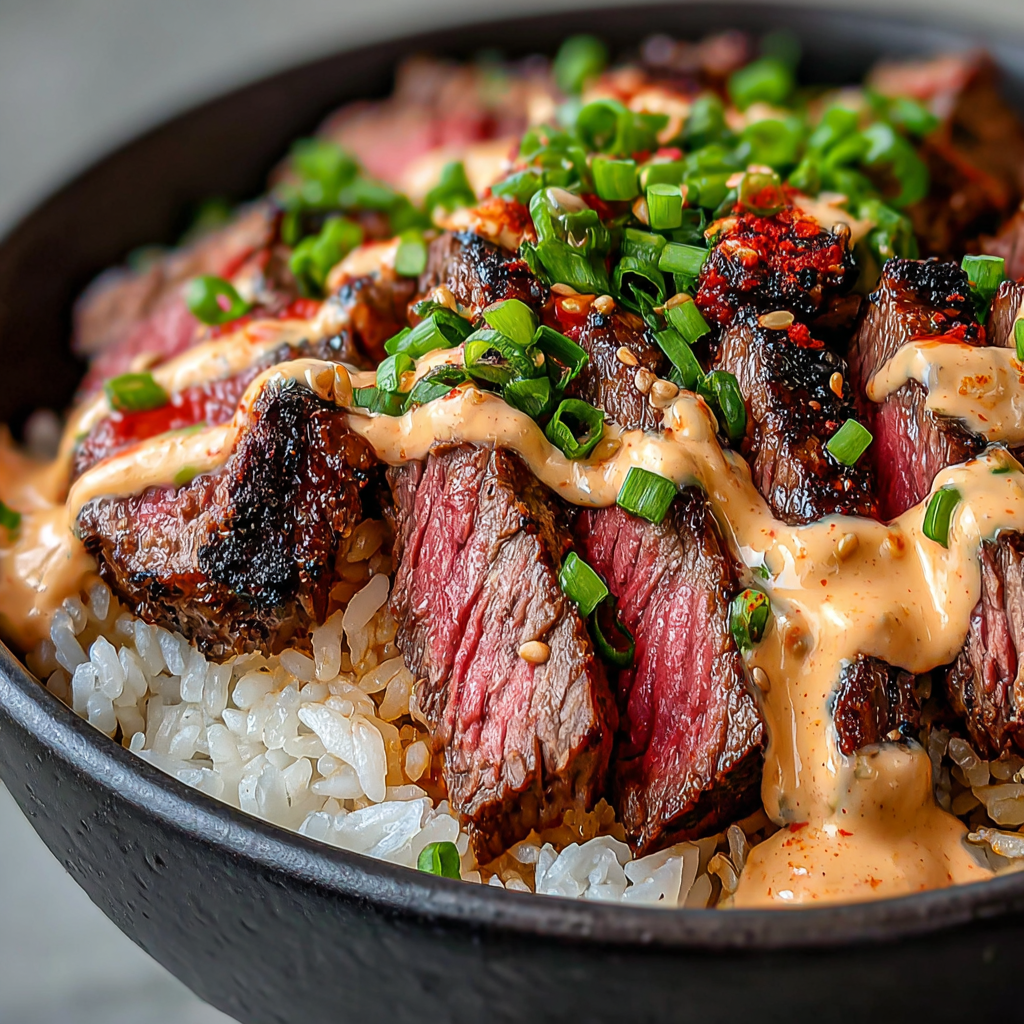
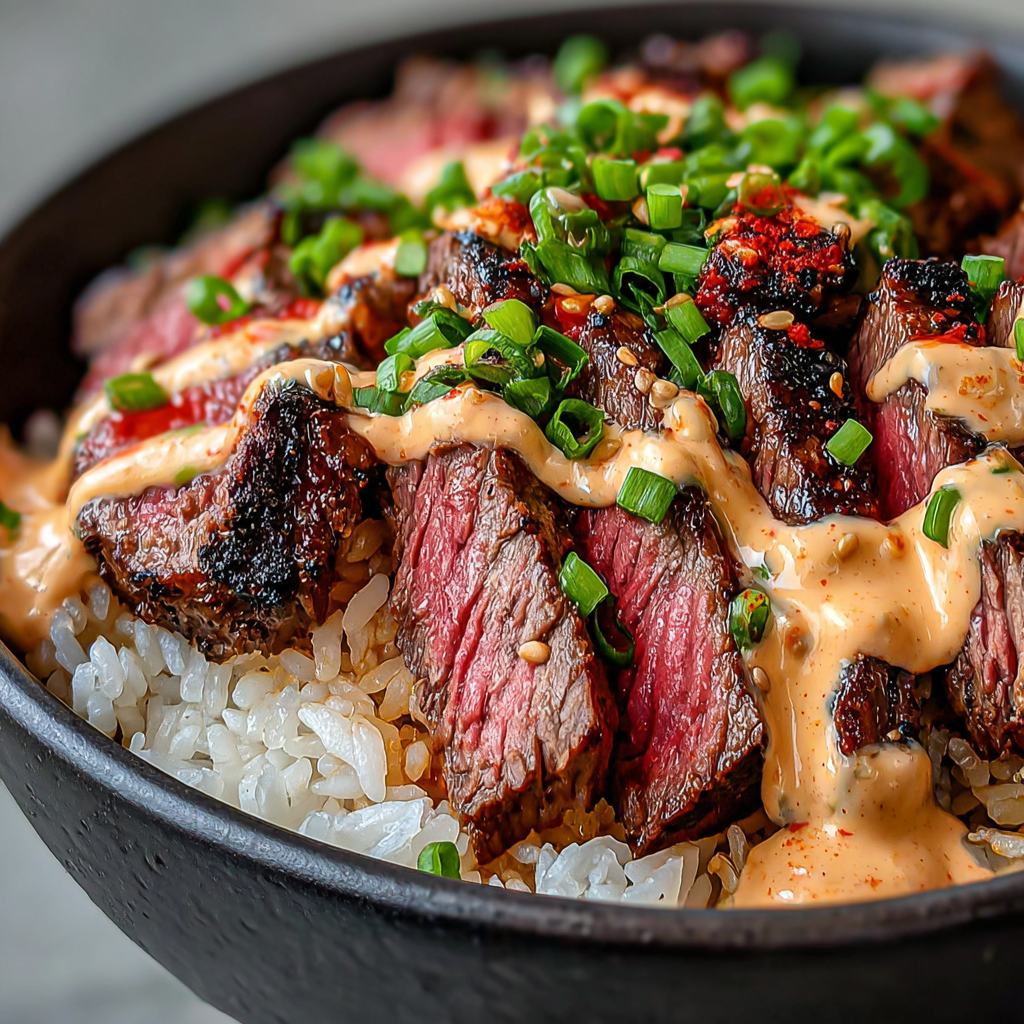
Korean BBQ Steak Rice Bowls capture the heart of Korean cuisine, blending tender marinated steak with fragrant rice and vibrant vegetables. This dish is not only visually appealing but also a harmonious balance of flavors and textures that invite you to dig in.
Whether you're entertaining friends or enjoying a cozy family dinner, these bowls bring the lively spirit of Korean barbecue right to your kitchen. With a few carefully selected ingredients, you can create a satisfying meal that feels both special and approachable.
Ingredients
- 1 lb ribeye steak
Ribeye steak is well-marbled, offering rich flavor and tenderness. Its fat content ensures that the meat stays juicy during cooking, making it an ideal choice for grilling or pan-searing. - 1/4 cup soy sauce
Soy sauce adds a salty, umami flavor that permeates the steak as it marinates. It also helps tenderize the meat, enhancing its overall texture. - 2 tablespoons brown sugar
Brown sugar introduces a subtle sweetness, balancing the saltiness of the soy sauce. It also contributes to caramelization during cooking, resulting in a beautifully browned crust. - 2 tablespoons sesame oil
Sesame oil imparts a nutty aroma and richness to the marinade, elevating the dish with its distinct flavor profile typical of Korean cuisine. - 3 cloves garlic, minced
Garlic provides a sharp, aromatic quality that complements the savory elements of the dish. It’s essential for infusing the meat with depth and character. - 2 cups cooked jasmine rice
Jasmine rice is fragrant and slightly sticky, making it an ideal base for the rice bowls. It absorbs flavors from the steak and sauces, enhancing the overall experience. - 1 cup mixed vegetables (carrots, bell peppers, broccoli)
Mixed vegetables add color, texture, and nutrition to the bowl. They provide a fresh crunch that contrasts beautifully with the tender steak. - 2 green onions, sliced
Green onions bring a fresh, mild onion flavor that adds brightness to the dish. They also work well as a garnish, creating visual appeal. - 1 tablespoon sesame seeds
Sesame seeds add a simple but elegant finish with a bit of crunch and nuttiness. They also contribute to the visual appeal of the dish.
Directions & Preparation
Step 1: Marinate the steak.
Start by combining soy sauce, brown sugar, sesame oil, and minced garlic in a bowl. Place the ribeye steak in a resealable plastic bag or shallow dish and pour the marinade over it. Seal the bag or cover the dish, allowing the steak to absorb the flavors for at least 30 minutes, or up to 2 hours for a more intense flavor. The marinade not only enhances the taste but also tenderizes the meat.
Step 2: Cook the rice.
While the steak marinates, prepare the jasmine rice according to package instructions. You can use a rice cooker or stovetop. Fluffy, well-cooked rice serves as the perfect base, soaking up delicious juices from the steak and remaining vibrant on the plate. Keeping the rice warm until serving ensures it retains its ideal texture.
Step 3: Cook the steak.
Heat a grill or skillet over medium-high heat. Remove the steak from the marinade, letting the excess drip off, and cook for about 4-5 minutes per side, depending on your desired level of doneness. The high heat ensures a nice sear and caramelized crust while keeping the inside juicy. Use a meat thermometer for accuracy; 135°F for medium-rare is perfect.
Step 4: Let the steak rest.
Once cooked, remove the steak from heat and let it rest for about 5-10 minutes before slicing. Resting allows the juices, which have been pushed to the surface during cooking, to redistribute throughout the meat. This step is crucial for a tender, juicy outcome.
Step 5: Slice the steak.
Slice the rested steak thinly against the grain for maximum tenderness. Cutting against the grain shortens the muscle fibers, making each bite easier to chew. Arrange the slices attractively on top of the rice.
Step 6: Prepare the vegetables.
If you're using fresh vegetables, sauté them briefly in a pan over medium heat or steam them until just tender. This maintains their color and crunch. Seasonal vegetables can enhance the dish, offering a range of flavors and nutrients that complement the steak beautifully.
Step 7: Assemble the bowls.
In a large bowl, place a generous scoop of the warm jasmine rice. Top it with the sliced steak and arranged vegetables. Add a sprinkling of sliced green onions and sesame seeds for garnish. This presentation not only creates a visually stunning meal but also ensures that each ingredient is represented in every bite.

Elevate Your Marinade
Adjusting the marinade can take your bowls to the next level. Consider adding a splash of rice vinegar for acidity or a teaspoon of gochujang (Korean chili paste) for a spicy kick. These additions will introduce new dimensions of flavor, allowing a personal touch that resonates with your taste preferences.
Selecting the Right Vegetables
Choosing the right vegetables can enhance the texture and taste of your rice bowls. Opt for a mix of colorful options like zucchini or snap peas for added crunch and nutrition. Each vegetable can contribute unique flavors, ensuring every bite is a delightful surprise and a visual feast.
Serving Suggestions for Korean BBQ Bowls
To further expand the meal, consider serving your rice bowls with banchan, traditional Korean side dishes. Kimchi, pickled radishes, and seasoned seaweed can offer contrasting flavors that enhance the main dish. These sides not only elevate the dining experience but also provide a well-rounded meal.
FAQs
What if my marinade is too thick?
If your marinade is too thick, thin it out with a little water or extra soy sauce until it reaches a pourable consistency. This can help the flavors better infuse the steak.
How do I know if my steak is overcooked?
If your steak is tough or dry, it may be overcooked. For future reference, using a meat thermometer can help you achieve the perfect level of doneness, avoiding overcooking.
Can I use chicken instead of steak?
Yes, chicken can be an excellent substitute. Use boneless, skinless chicken thighs or breasts, adjusting the marinating time to around 20-30 minutes for optimal flavor.
How do I elevate the flavors of my rice?
You can elevate your rice by cooking it in broth instead of water. Add garlic powder or a dash of soy sauce to the cooking water for added flavor.
Why did my steak not sear properly?
If your steak isn’t searing, ensure your grill or skillet is adequately preheated before adding the meat. A hot surface is vital for achieving that beautiful crust.
Can I add egg to my rice bowl?
Absolutely! A fried or poached egg adds richness and pairs wonderfully with the flavors of Korean BBQ, enhancing the overall experience.
How can I adjust the sweetness of the marinade?
If you find the marinade too sweet, you can reduce the brown sugar or balance it out with a bit more soy sauce or vinegar for acidity.
Conclusion
Creating Korean BBQ Steak Rice Bowls at home is a rewarding experience that combines fresh ingredients and exciting flavors. Whether you follow the recipe exactly or make adjustments based on what you enjoy, the result is a dish that is satisfying and true to the essence of Korean cuisine.
As you gather around the table to enjoy your creation, remember that cooking is as much about the experience as it is about the meal itself. Enjoy the process and the shared joy it brings.
Recipe Card
Crafting Korean BBQ Steak Rice Bowls at Home
Ingredients
Method
- Marinate the steak.
- Cook the rice.
- Cook the steak.
- Let the steak rest.
- Slice the steak.
- Prepare the vegetables.
- Assemble the bowls.
Notes
Additional serving suggestions: pair with a crisp salad, garlic bread, or roasted seasonal vegetables for balance.
For make-ahead, prep components separately and assemble just before heating to preserve texture.
Taste and adjust with acid (lemon/vinegar) and salt right at the end to wake up flavors.