Introduction
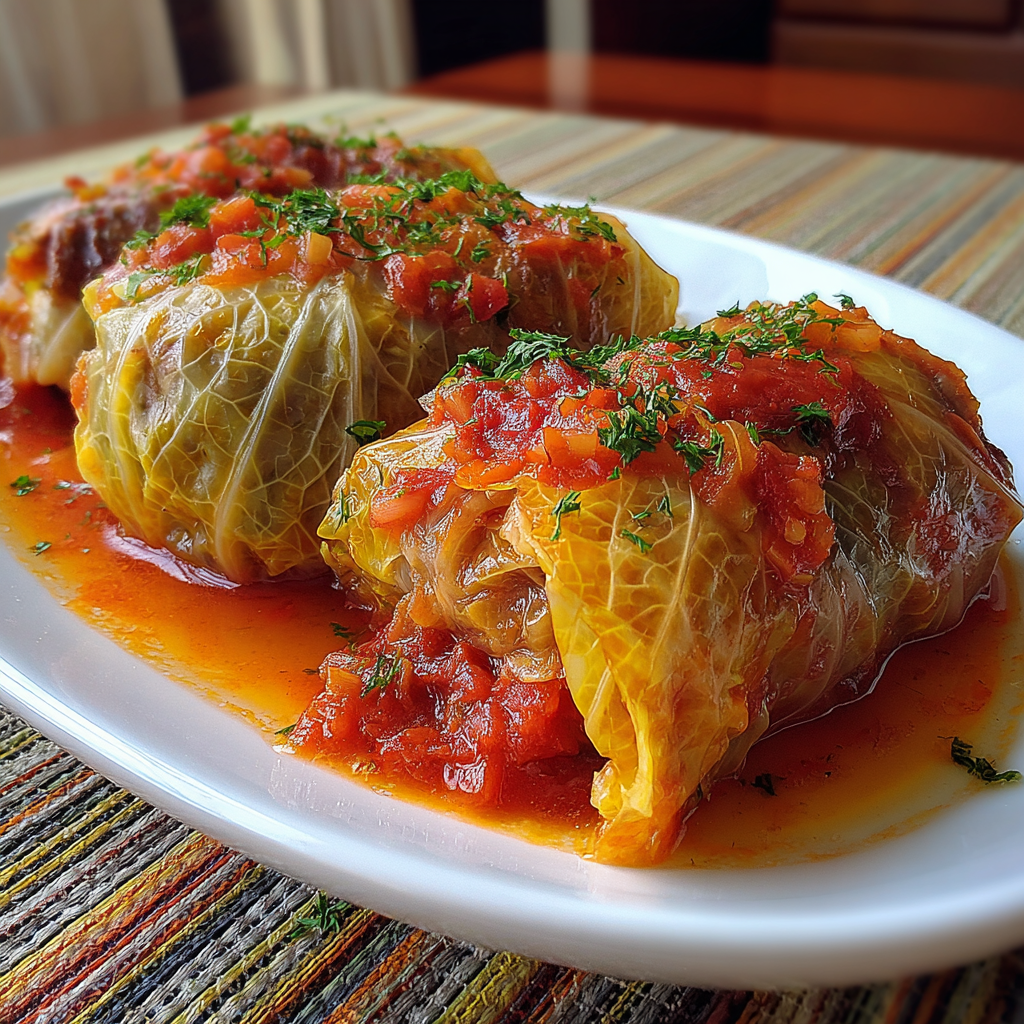
Cabbage rolls hold a special place in many culinary traditions, serving as a comforting reminder of meals shared across generations. This timeless dish blends flavorful filling with tender cabbage leaves, creating a perfect harmony that warms the soul.
Each roll is a pocket of flavor, enveloped in a blanket of cabbage that tenderly holds together rice, meat, and spices. As simple as they are significant, cabbage rolls can adapt to your taste while staying true to their roots.
Ingredients
- 1 large head of green cabbage
The main component of the dish, green cabbage provides the perfect wrapper for the filling. Its leaves become soft and pliable when blanched, enabling them to cradle the hearty filling without tearing. - 1 pound ground beef (or pork)
Ground meat forms the staple filling, bringing richness and protein to the dish. The choice between beef, pork, or a mix allows for variations in flavor, so you can cater to your family’s preferences. - 1 cup cooked rice
Rice not only stretches the filling, making it more economical, but it also absorbs flavors from the meat and spices. Using leftover rice can save time and add depth to the overall taste. - 1 onion, finely chopped
Onions add sweetness and depth to the filling. Their natural sugars caramelize during cooking, enhancing the savory notes of the meat and balancing the flavors in every bite. - 1 can (15 oz) tomato sauce
Tomato sauce is used as both a cooking medium and a flavor enhancer. It adds acidity and sweetness, which complement the richness of the meat while helping to keep the rolls moist. - 1 teaspoon salt
Salt acts as a flavor enhancer, bringing out the natural tastes of the ingredients. It ensures that each bite of the filling is well-seasoned and balanced. - 1/2 teaspoon black pepper
Black pepper adds a subtle warmth and depth to the dish. It balances the flavors and adds complexity, giving the rolls a gentle kick. - 1 teaspoon paprika
Paprika contributes a mild smokiness and beautiful color to the dish. It enhances the overall flavor profile and gives the cabbage rolls an appealing hue. - 1 tablespoon fresh parsley, chopped (optional)
Fresh parsley can add a touch of brightness at the end. Its herbaceous notes lift the dish and add a hint of freshness, making the cabbage rolls more vibrant.
Directions & Preparation
Step 1: Prepare the cabbage leaves.
Begin by removing the core of the cabbage and carefully peeling off the leaves. Blanch the leaves in boiling water for about 2-3 minutes until they are soft and pliable. This step is crucial as it ensures the leaves won’t tear and can easily wrap around the filling, holding it together during cooking.
Step 2: Prepare the filling mixture.
In a large bowl, combine the ground meat, cooked rice, chopped onions, salt, pepper, and paprika. Mix until everything is well combined. This step allows all the ingredients to meld together, ensuring each cabbage roll has a uniform flavor and consistency. Take care not to overmix, which can make the filling tough.
Step 3: Assemble the cabbage rolls.
Take a prepared cabbage leaf, place a generous spoonful of the filling near the stem, and fold the sides over the filling before rolling it up from the stem end. Proper assembly of each roll is essential to contain the filling and achieve a neat presentation. After rolling, tuck the edges under to secure the filling inside.
Step 4: Preheat the oven and prepare the baking dish.
While assembling the rolls, preheat your oven to 350°F (175°C). Grease a baking dish and spread a little tomato sauce on the bottom to prevent sticking. Preheating the oven ensures that the cabbage rolls will cook evenly, and the sauce on the base helps keep them moist throughout the cooking process.
Step 5: Arrange the rolls in the baking dish.
Place the assembled cabbage rolls seam-side down in the baking dish, fitting them snugly together. The close arrangement helps the rolls steam while cooking, which keeps them tender and juicy. Pour the remaining tomato sauce over the rolls, ensuring they are well-coated for optimal flavor.
Step 6: Cover and bake.
Cover the baking dish with foil before placing it in the oven. Baking them covered for about 45 minutes allows the flavors to meld and the rolls to cook through. Removing the foil for the last 15 minutes encourages a bit of caramelization on the sauce, adding depth to the overall dish.
Step 7: Let them rest before serving.
Once baked, allow the cabbage rolls to sit for 10-15 minutes before serving. Resting helps the rolls set, making them easier to serve without falling apart. This brief pause enhances the flavors and gives a better texture to the dish.

The Secret to Perfectly Tender Cabbage Leaves
Blanching cabbage leaves is the key to making sure they are tender enough to wrap around the filling without tearing. The hot water softens the leaves while still keeping their structure intact, which is crucial for the rolls to hold their shape during cooking. A quick dip in ice water afterward helps to stop the cooking process, ensuring they remain vibrant and fresh-looking.
Creating a Flavorful Filling
The filling is where you can get creative, marrying flavors that resonate with your personal tastes. Consider adding spices like cumin for a warm earthiness or incorporating grated carrots or other vegetables for added nutrition and flavor complexity. Tailoring the filling to your preferences not only enhances taste but can also make the dish more visually appealing.
Serving Suggestions for Cabbage Rolls
Cabbage rolls can be served in various ways, making them a versatile dish fitting for many occasions. For a traditional approach, serve them with a side of crusty bread or a fresh salad. Alternatively, consider a rich, creamy sauce on top for a modern twist, or pair them with yogurt for a refreshing contrast.
FAQs
What can I do if my rolls fall apart during cooking?
If the rolls fall apart, it’s likely due to the cabbage leaves not being pliable enough or not wrapping them tightly. Ensure that you blanch the leaves properly before wrapping and take care to roll them snugly.
Can I use different grains instead of rice?
Yes! Quinoa, barley, or even farro can be used in place of rice for a unique twist. Just make sure they are cooked beforehand and provide the same fluffy texture.
How do I adjust the seasoning if the rolls taste bland?
If the rolls taste bland, consider increasing the salt, pepper, or paprika slightly. Additionally, adding a splash of vinegar or lemon juice can enhance brightness and flavor without overpowering.
Can I add other vegetables to the filling?
Absolutely! Diced bell peppers, mushrooms, or zucchini can be added to the filling to enhance flavor and nutrition. Just make sure to finely chop them so they mix well with the ground meat.
What should I do if my sauce is too thick?
If the sauce becomes too thick during cooking, you can add a little broth or water to loosen it up. Stir well and let it cook a few minutes to combine the flavors.
What types of meat work best for the filling?
Ground beef, pork, or turkey all work well for the filling. Mix and match different meats according to your preference for flavor and texture, making sure to adjust the seasoning accordingly.
How do I make cabbage rolls less acidic?
If the rolls end up too acidic, consider adding a pinch of sugar to the sauce to balance the flavors. You can also serve them with creamy sides, like sour cream, to offset the acidity.
Conclusion
Crafting classic cabbage rolls is a rewarding endeavor that combines simplicity with a richness of flavor. These rolls are more than just a meal; they are a way to connect with family traditions and share warmth with loved ones.
As you navigate your culinary journey with cabbage rolls, feel free to explore and adapt the recipe according to your taste. Enjoy the process, and remember, every roll is a reflection of your personal flavor story.
Recipe Card
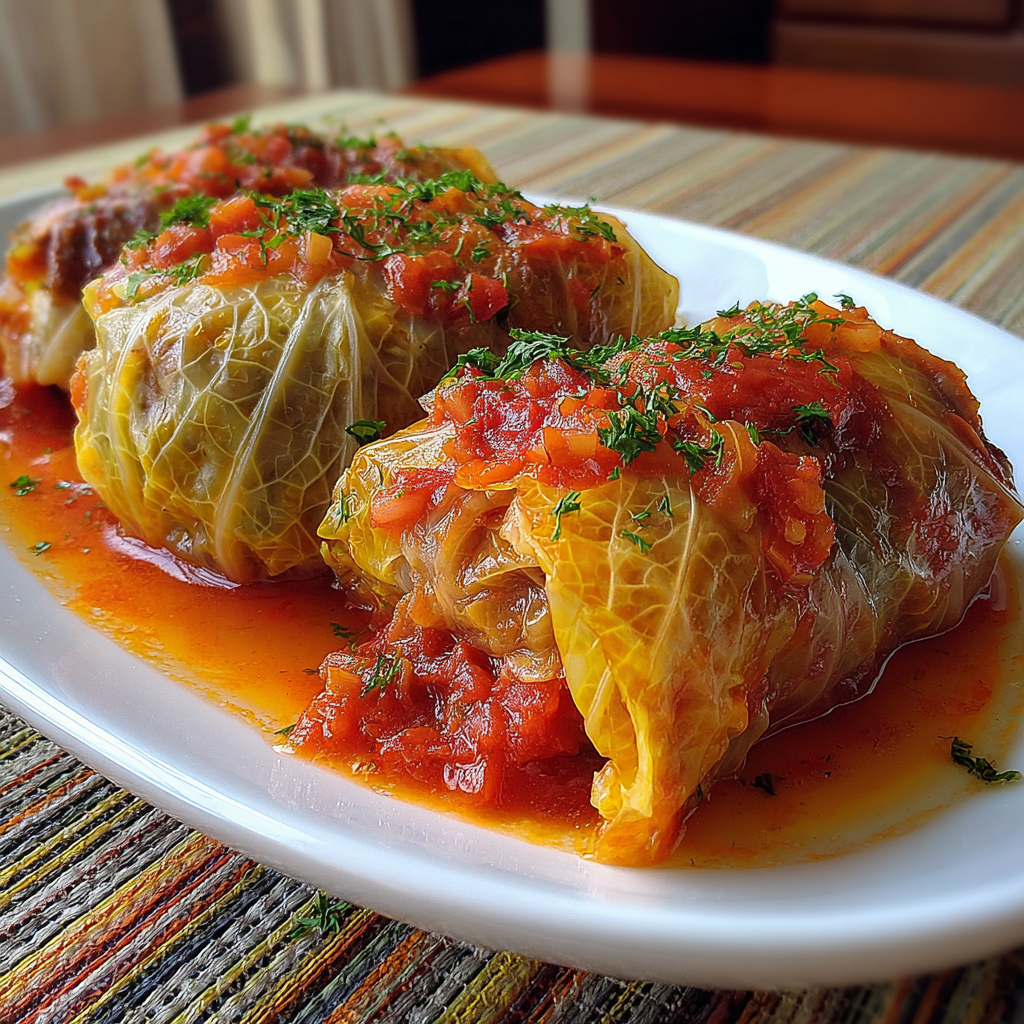
Crafting the Heartfelt Tradition of Cabbage Rolls
Ingredients
Method
- Prepare the cabbage leaves.
- Prepare the filling mixture.
- Assemble the cabbage rolls.
- Preheat the oven and prepare the baking dish.
- Arrange the rolls in the baking dish.
- Cover and bake.
- Let them rest before serving.
Notes
Additional serving suggestions: pair with a crisp salad, garlic bread, or roasted seasonal vegetables for balance.
For make-ahead, prep components separately and assemble just before heating to preserve texture.
Taste and adjust with acid (lemon/vinegar) and salt right at the end to wake up flavors.