Introduction
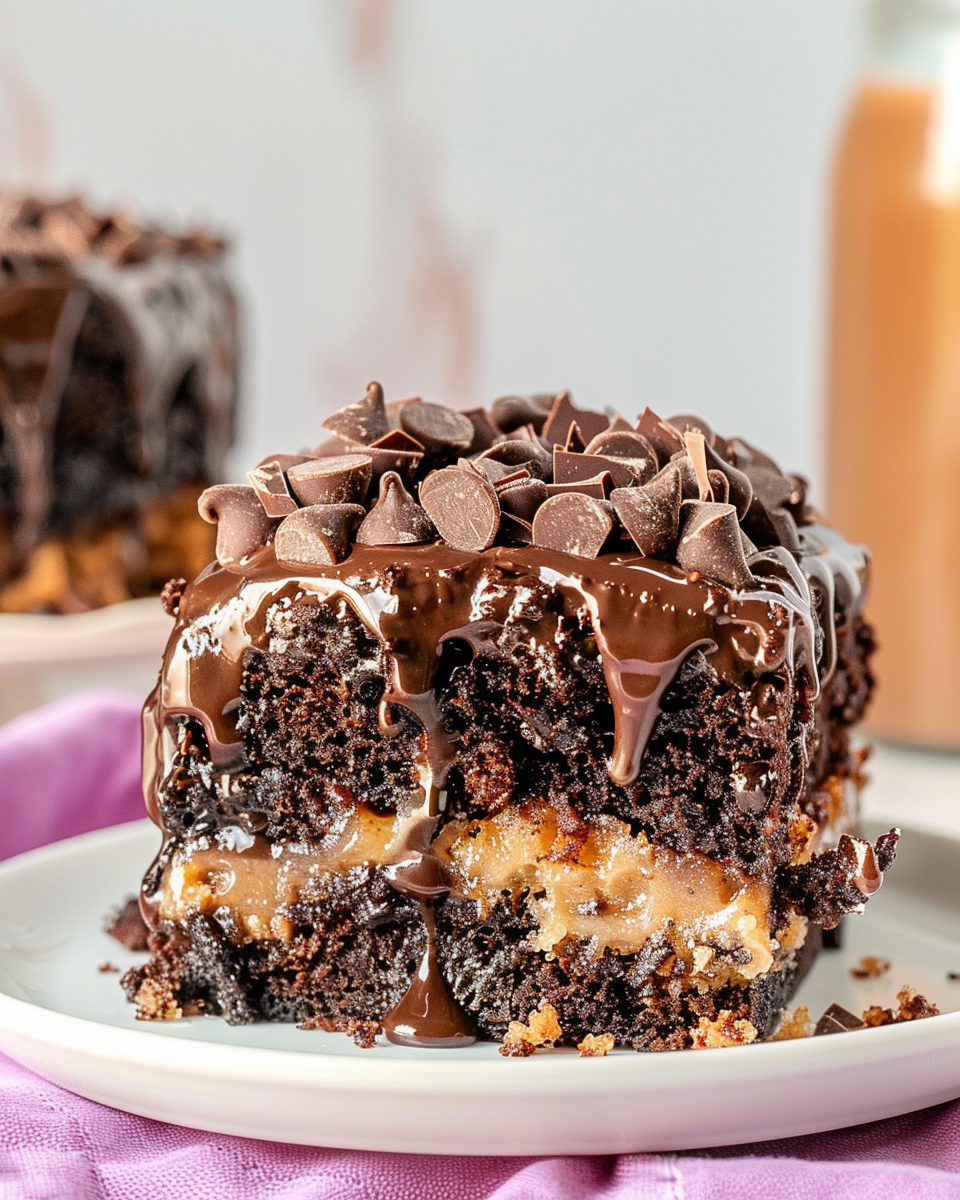
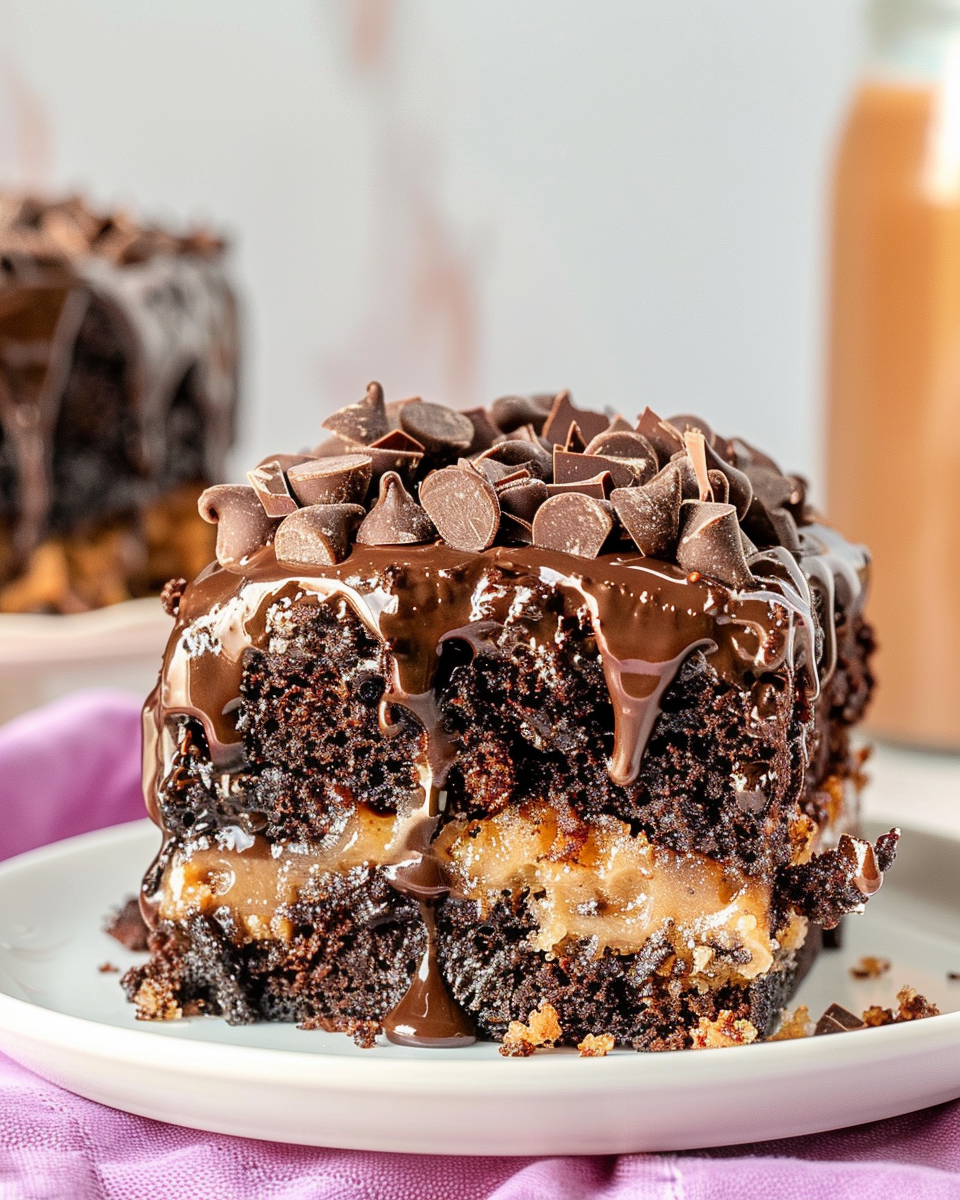
Earthquake Cake is a delightful dessert that brings together a mix of flavors and textures, making it the perfect treat for any occasion. Its unique name hints at the wonder that happens when the ingredients meld together, creating a beautiful, cracked appearance similar to the earth's surface after a tremor.
Combining rich chocolate cake with a decadent cream cheese layer and a topping of nuts and coconut, this dessert is not just about aesthetics but also bursts with luscious flavors. Once baked, the cake reveals itself as a heavenly creation, surprising anyone lucky enough to have a slice.
Ingredients
- 1 box chocolate cake mix
The base of this cake is a standard chocolate cake mix, providing a rich and moist foundation. It's easy to use and creates a perfect balance with the creamy layers. - 1 cup powdered sugar
Powdered sugar is essential for the cream cheese layer, adding sweetness and a smooth texture. It helps to create that light, creamy filling that complements the cake beautifully. - 8 oz cream cheese, softened
Cream cheese is the star of the filling, offering a tangy flavor that enhances the sweetness of the cake. Its creamy consistency allows it to blend seamlessly with powdered sugar. - 1 cup shredded coconut
Shredded coconut adds texture and a tropical flavor to the cake. When baked, it offers a delightful chewiness that contrasts wonderfully with the soft cake. - 1 cup chopped nuts (e.g., pecans or walnuts)
Nuts contribute crunch and earthiness to the cake. Their robust flavor adds depth, making each bite exciting. - 1 cup water
Water is necessary for preparing the cake mix, activating the ingredients and helping achieve the desired batter consistency. - 1/2 cup vegetable oil
The addition of vegetable oil enhances the moisture of the cake, ensuring it remains soft and tender even after baking. It's a critical component for texture. - 3 large eggs
Eggs bind the ingredients together and provide structure to the cake. They also add richness and contribute to the overall flavor.
Directions & Preparation
Step 1: Preheat your oven to 350°F (175°C).
Preheating the oven is crucial as it ensures that the cake bakes evenly and rises properly. This step allows the cake to set the right texture and color from the moment it enters the hot environment. A properly preheated oven guarantees consistent baking times and helps prevent the cake from becoming dense.
Step 2: Prepare a 9×13 inch baking pan by greasing it lightly.
Greasing the pan prevents the cake from sticking, making for easier removal once baked. Using a bit of oil or cooking spray allows the batter to slide out without tearing. Ensuring that the entire base and sides are well-greased is essential, especially given the cream cheese layer which can be stickier.
Step 3: Mix the chocolate cake batter according to the package directions.
Combining the chocolate cake mix, water, vegetable oil, and eggs creates the batter essential for the base layer of the cake. Make sure to mix until just combined to avoid overworking the batter. Over-mixing can lead to a denser cake, so it’s important to retain some air in the batter for a light and fluffy texture.
Step 4: Pour the batter into the prepared pan.
Gently pouring the batter into the pan ensures an even distribution across the bottom. Take care not to splash or create air bubbles, as these can affect the final appearance. Spreading the batter evenly helps in achieving an even bake and prevents certain areas from becoming undercooked.
Step 5: In a mixing bowl, combine softened cream cheese and powdered sugar until smooth.
Mixing the cream cheese and powdered sugar until lump-free is important for achieving a velvety filling. A smooth mixture will seamlessly blend into the batter and create that characteristic layered effect unique to Earthquake Cake. Use an electric mixer on medium speed for the best results, ensuring thorough incorporation.
Step 6: Drop spoonfuls of the cream cheese mixture over the top of the chocolate batter, then swirl with a knife.
Adding dollops of the cream cheese mixture creates pockets of cheesy goodness in the cake. Swirling it lightly allows for that 'earthquake' effect, where the batter rises and cracks during baking, revealing chocolate and cream cheese beneath. Be mindful not to over-swirl; you want distinct layers, not a fully combined batter.
Step 7: Sprinkle shredded coconut and chopped nuts on top of the batter.
The toppings add not only flavor but also visual appeal to the cake. As the cake bakes, the coconut and nuts will toast slightly, intensifying their flavors and creating a nutty crunch that contrasts with the moist cake and creamy filling. The layers also add to the ‘earthquake’ effect as they create a beautiful crusty top.
Step 8: Bake in the preheated oven for 40 to 45 minutes.
Baking time is crucial for ensuring that the cake sets properly without becoming dry. Keep an eye on it towards the end of the baking cycle; the cake is ready when a toothpick comes out clean from the center. Do not open the oven door too early, as this can cause the cake to deflate.
Step 9: Allow the cake to cool in the pan for about 10 minutes before slicing.
Letting the cake cool slightly before slicing makes it easier to handle and allows the flavors to settle. If sliced too soon, the cream cheese layer may be too soft. Waiting ensures cleaner cuts and enhances the overall presentation when served. Serve warm or at room temperature for the best experience.

Enhancing Flavor with Add-Ins
Though the traditional Earthquake Cake recipe shines on its own, consider enhancing its flavor profile with extras. Chocolate chips add an indulgent burst of richness, while a touch of espresso powder can deepen the chocolate flavor. You could also introduce dried fruit or different nuts to bring in new textures and tastes, making your unique version even more special.
The Science Behind the Swirl
The mesmerizing swirl in Earthquake Cake is not just for decoration. It plays a critical role in the final texture and flavor experience. As the cake bakes, the cream cheese and chocolate batter meld together, creating pockets of flavor that surprise every bite. The uneven surface is a result of how the batter rises and cracks, mimicking geological shifts in a delightful, edible form.
Serving Suggestions for Earthquake Cake
When it comes to serving Earthquake Cake, a simple dusting of powdered sugar can enhance its appearance while keeping it elegant. Pair it with a scoop of vanilla ice cream for a delightful contrast between hot and cold. Additionally, a dollop of whipped cream atop each slice elevates this dessert to new heights, turning it into a decadent treat perfect for any celebration.
FAQs
Can I use a different flavor of cake mix?
Yes, experimenting with different flavors like vanilla or red velvet can create exciting variations on the Earthquake Cake.
Why do I see cracks in the cake?
The cracks are a natural result of the batter rising during baking, creating the signature look of the Earthquake Cake. These cracks result from the cream cheese layer interacting with the cake mix.
What can I do if my cream cheese mixture is too smooth?
If your cream cheese mixture seems too thin or runny, consider adding a bit more powdered sugar to thicken it up, ensuring it holds its shape on the cake.
How can I ensure an even bake?
To ensure an even bake, use an oven thermometer to verify temperature accuracy and avoid opening the oven door excessively during baking.
Can I substitute the nuts for seeds?
If you have nut allergies or prefer a different crunch, sunflower seeds or pumpkin seeds can be an excellent alternative, providing a similar texture.
What should I do if the top is browning too quickly?
If the top is browning too swiftly, you can loosely cover the cake with aluminum foil during the last part of baking to prevent burning.
Conclusion
Earthquake Cake is not just a dessert; it’s an experience that brings joy and excitement to any table. Each slice tells a story of indulgent chocolate and creamy goodness that leaves a memorable impression.
Once you discover this cake, you may find it becoming a staple for gatherings and celebrations. It’s easy to make, incredibly satisfying, and bound to impress even the most discerning dessert lovers.
Recipe Card
Create Your Own Earthquake Cake at Home
Ingredients
Method
- Preheat your oven to 350°F (175°C).
- Prepare a 9x13 inch baking pan by greasing it lightly.
- Mix the chocolate cake batter according to the package directions.
- Pour the batter into the prepared pan.
- In a mixing bowl, combine softened cream cheese and powdered sugar until smooth.
- Drop spoonfuls of the cream cheese mixture over the top of the chocolate batter, then swirl with a knife.
- Sprinkle shredded coconut and chopped nuts on top of the batter.
- Bake in the preheated oven for 40 to 45 minutes.
- Allow the cake to cool in the pan for about 10 minutes before slicing.
Notes
Additional serving suggestions: pair with a crisp salad, garlic bread, or roasted seasonal vegetables for balance.
For make-ahead, prep components separately and assemble just before heating to preserve texture.
Taste and adjust with acid (lemon/vinegar) and salt right at the end to wake up flavors.