Introduction
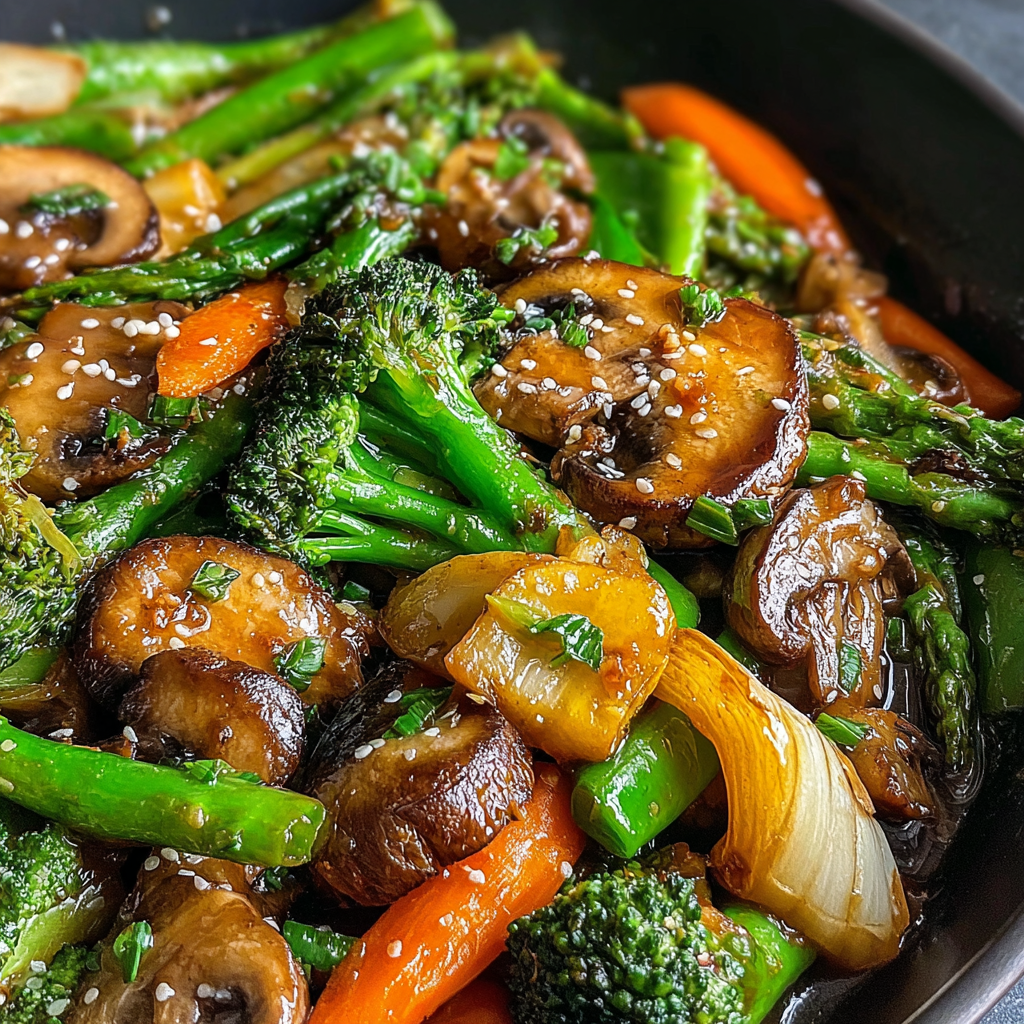
Vegetarian stir-fry is a vibrant and versatile dish that brings together a colorful assortment of vegetables in a dynamic clash of flavors. With its roots in Asian cuisine, this dish not only celebrates the season's freshest produce but also offers a canvas for culinary creativity. Whether you're a seasoned cook or a novice in the kitchen, stir-frying is a technique that is both simple and rewarding.
This cooking method retains the texture and nutritional value of veggies while allowing them to absorb a medley of savory sauces and spices. The beauty of a stir-fry lies in its adaptability; you can switch up vegetables based on what's available, making it an ideal choice for any pantry. So, grab your wok or skillet and let’s dive into the delicious world of vegetarian stir-frying.
Ingredients
- 2 cups broccoli florets
Broccoli adds a hearty texture and is rich in vitamins C and K. It also holds up well during stir-frying, ensuring it remains slightly crunchy while absorbing flavors. - 1 bell pepper, sliced
A sweet bell pepper introduces vibrant color and a juicy crunch to the dish. It also provides a natural sweetness that balances the flavors in the stir-fry. - 1 cup snap peas
Snap peas add a crispness and a sweet flavor. They are quick-cooking, making them perfect for a stir-fry where timing is essential. - 1 carrot, thinly sliced
Carrots contribute a delightful sweetness and a pop of orange color. Their firmness helps them retain a bite, adding depth to the texture of the dish. - 3 green onions, chopped
Green onions offer a mild onion flavor with a fresh kick. They brighten up the dish and enhance its overall aromatic profile. - 3 cloves garlic, minced
Garlic is essential for depth of flavor, providing a savory base for the stir-fry. Its pungent aroma enhances the overall appeal of the dish. - 1-inch piece ginger, grated
Ginger brings warmth and spiciness, elevating the dish's complexity. Its fresh, zesty notes help to counterbalance the richness of stir-fry sauces. - 3 tablespoons soy sauce
Soy sauce is vital for umami flavor, giving the stir-fry a savory backbone. It enhances the color and helps to unify all ingredients. - 2 tablespoons vegetable oil
Vegetable oil is crucial for high-heat cooking, enabling even cooking without burning the ingredients. It also allows flavors to meld beautifully. - 1 tablespoon sesame oil
Sesame oil adds a nutty aroma and richness to the dish, enhancing its complexity and providing a finishing touch with its distinct flavor.
Directions & Preparation
Step 1: Heat the vegetable oil in a wok or skillet over medium-high heat.
Start by heating the vegetable oil, which is chosen for its high smoke point. This ensures that your vegetables stir-fry quickly while maintaining their crispness. A properly heated wok allows for even cooking and helps ingredients maintain their color.
Step 2: Add minced garlic and grated ginger, sauté for 30 seconds.
Sautéing the garlic and ginger first infuses the oil with their flavors, creating a fragrant base for the stir-fry. Watch closely to avoid burning; it's just enough time to release their essential oils and aromas, enhancing the flavor profile of the dish.
Step 3: Introduce the broccoli and carrots, stir-fry for 2–3 minutes.
Adding the broccoli and carrots early ensures that they have enough time to cook through while remaining crisp. Stir-frying these sturdier vegetables first capitalizes on their natural sweetness as they caramelize slightly and absorb the aromatic base.
Step 4: Add the bell pepper and snap peas, cook for another 2 minutes.
These vegetables require less cooking time and will provide different textures. Adding them after sturdier vegetables allows them to soften slightly while still retaining their crunch, which is key to a successful stir-fry.
Step 5: Pour in the soy sauce and mix well, allowing 1-2 minutes to simmer.
Soy sauce binds everything together, bringing out the umami flavor and enriching the dish. Allow it to simmer for a minute or two, ensuring that every piece of vegetable is well-coated and the flavors meld beautifully.
Step 6: Finish with green onions and sesame oil, stir for 1 more minute.
Adding green onions at the end keeps their flavor fresh and vibrant. The sesame oil, when drizzled last, provides a lovely nutty finish and aroma, clinching the dish's overall taste and making it more complex.
Step 7: Serve immediately, optionally with rice or noodles.
Serving the stir-fry hot maximizes its appealing texture and flavor. Pairing it with rice or noodles makes it a complete meal, while still allowing the stir-fried vegetables to shine as the main attraction.

Choosing the Right Vegetables
When crafting your vegetarian stir-fry, selecting fresh, seasonal vegetables is crucial for achieving the best taste and texture. Consider including vibrant options like zucchini, asparagus, or bell peppers alongside the classic broccoli and snap peas. This variety not only enhances flavors but also lends visual appeal to the dish, making it more appetizing.
Mastering the Stir-Fry Technique
The key to a successful stir-fry lies in the cooking technique. High heat and quick cooking are essential; the ingredients should be tossed frequently for even cooking. Using a wok is ideal since its shape allows for high-heat cooking and even distribution of heat. Keeping your ingredients prepared and ready to go will ensure you maintain control over the cooking process.
Experimenting with Flavor Profiles
While soy sauce is a staple, don't hesitate to experiment with various sauces or spices to develop new flavor profiles. Consider adding a dash of chili sauce for heat, or toss in some cashews for crunch. Feel free to substitute tofu or tempeh for added protein or incorporate different herbs and spices for a refreshing twist on the traditional stir-fry.
FAQs
What should I do if my stir-fry is too thick?
If your stir-fry turns out too thick, simply add a splash of water or additional soy sauce to thin it out. This will help loosen the mixture without compromising the flavor.
What can I do if my stir-fry tastes bland?
If you find your stir-fry lacks flavor, try adding a touch more soy sauce, sesame oil, or even a splash of rice vinegar. Experimenting with spices like red pepper flakes or adding more garlic can also boost the flavor.
Could I use frozen vegetables instead?
Yes, frozen vegetables can be used in a pinch. However, be mindful to reduce cooking time as they are typically pre-cooked. Make sure to thaw them beforehand so they don't release excess water while cooking.
What if I want to make this stir-fry saucier?
To make your stir-fry saucier, you can mix cornstarch with a little water to create a slurry. Add this mixture to the stir-fry before serving, which will thicken the sauce without cooking off too much flavor.
How do I ensure my vegetables stay crisp?
To keep your vegetables crisp, avoid overcrowding the pan, which can result in steaming rather than stir-frying. Cook in smaller batches if necessary, and ensure your oil is hot enough before adding the veggies.
Can I add protein to this stir-fry?
Absolutely! Incorporating ingredients like tofu, tempeh, or edamame can enhance the dish's nutritional profile. Add them in accordance with their cook time, ensuring they heat through without overcooking.
Conclusion
Vegetarian stir-fry is a fantastic way to enjoy a healthy and flavorful meal, rich in diverse textures and vibrant colors. The adaptability of this dish means it can be served any night of the week with little effort involved. Experiment with seasonal vegetables and different flavor profiles to find your favorite combinations.
As you continue to refine your stir-frying skills, remember that the key is to keep your ingredients fresh and to embrace the quick cooking style that defines this beloved dish. So, roll up your sleeves, get into the kitchen, and enjoy the creative journey of making your own vegetarian stir-fry.
Recipe Card
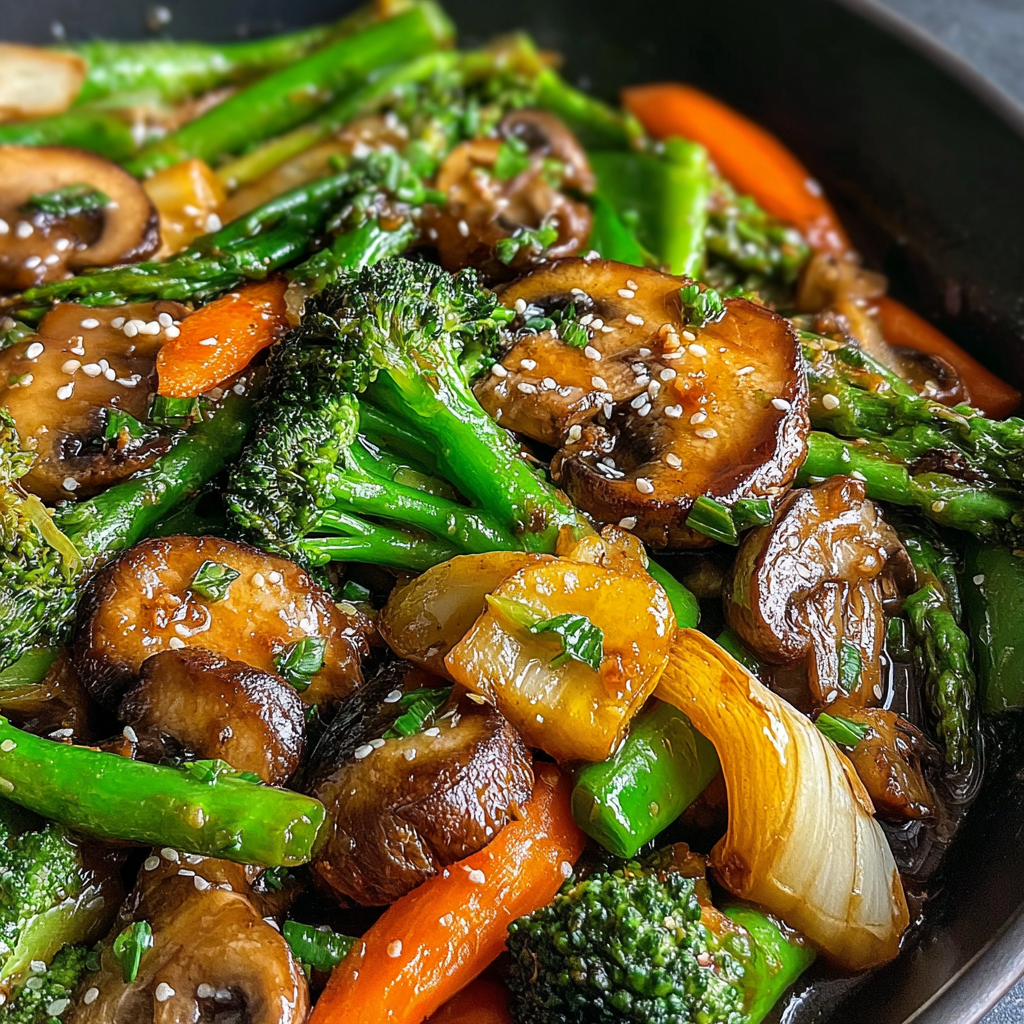
Creating a Flavorful Vegetarian Stir-Fry at Home
Ingredients
Method
- Heat the vegetable oil in a wok or skillet over medium-high heat.
- Add minced garlic and grated ginger, sauté for 30 seconds.
- Introduce the broccoli and carrots, stir-fry for 2–3 minutes.
- Add the bell pepper and snap peas, cook for another 2 minutes.
- Pour in the soy sauce and mix well, allowing 1-2 minutes to simmer.
- Finish with green onions and sesame oil, stir for 1 more minute.
- Serve immediately, optionally with rice or noodles.
Notes
Additional serving suggestions: pair with a crisp salad, garlic bread, or roasted seasonal vegetables for balance.
For make-ahead, prep components separately and assemble just before heating to preserve texture.
Taste and adjust with acid (lemon/vinegar) and salt right at the end to wake up flavors.