Introduction
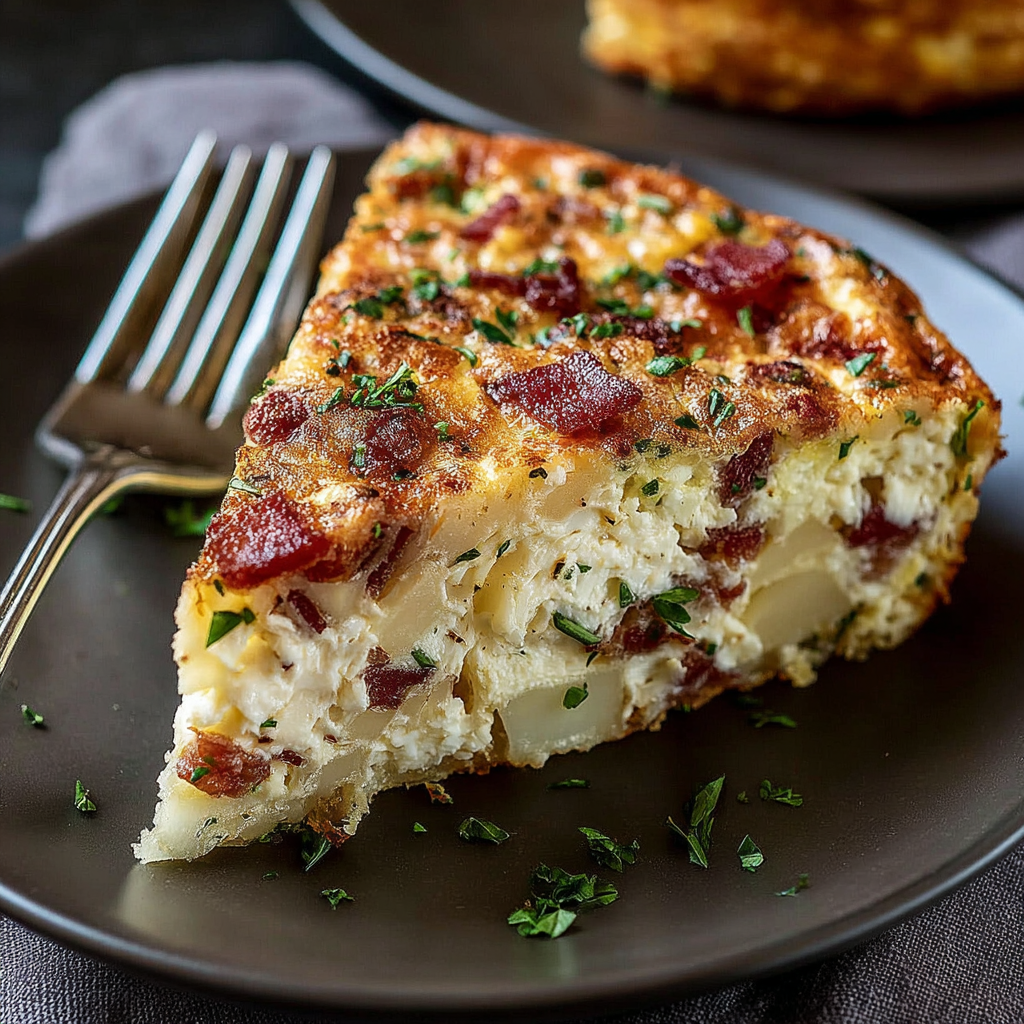
There’s something incredibly comforting about a frittata. It encapsulates simple ingredients transformed into a hearty dish that can be enjoyed at any time of day. Ina Garten, known for her uncomplicated yet delightful recipes, elevates this classic with the addition of crispy bacon and tender potatoes. This dish not only serves as a filling breakfast but also makes for a satisfying brunch or light dinner.
The beauty of a frittata lies in its versatility; you can adapt the ingredients to your taste and what you have on hand. With its creamy texture and rich flavors, this Bacon Potato Frittata is the perfect centerpiece for gatherings or a quiet evening at home. Let’s dive into the ingredients and steps that make this dish a standout.
Ingredients
- 6 large eggs
The base of the frittata, eggs provide structure and a rich flavor. They create that creamy texture when cooked gently. - 1 cup cooked potatoes, diced
Potatoes add heartiness and substance to the frittata. They absorb the flavors of the ingredients around them and provide a satisfying bite. - 4 strips of bacon, cooked and crumbled
Bacon contributes a smoky, savory flavor, enhancing the overall taste of the dish. The crispy texture adds a delightful contrast. - 1 cup shredded cheese (Cheddar or Gruyère)
Cheese brings richness and depth, melting beautifully into the frittata and adding creaminess with every bite. - 1/2 cup milk
Milk helps to create a fluffy texture and enriches the eggs, making the frittata light and airy. - 1/4 cup onion, diced
Onion adds a hint of sweetness and depth, balancing the saltiness of the bacon and enhancing the overall flavor. - Salt and pepper to taste
Essential seasonings that elevate the flavors of the ingredients, allowing each element to shine. - 2 tablespoons fresh herbs (like chives or parsley)
Fresh herbs bring brightness and color, enhancing the dish’s aroma and adding a refreshing contrast to the richness.
Directions & Preparation
Step 1: Preheat your oven to 400°F (200°C).
Preheating the oven ensures that the frittata cooks evenly. An adequately hot oven promotes proper rising of the eggs, contributing to a fluffy texture. Skipping this step can result in uneven cooking and a dense frittata.
Step 2: Cook the bacon in a skillet over medium heat until crispy, then remove and crumble.
Cooking the bacon first allows its fat to render, which you can use later for sautéing other ingredients. This step adds flavor to the frittata, as the bacon fat carries the smoky essence into the frittata.
Step 3: Sauté the diced onion in the bacon fat until softened, about 5 minutes.
Sautéing the onion in bacon fat infuses it with a rich flavor. Cooking until softened allows the onions to develop sweetness, creating a more complex flavor profile for the frittata.
Step 4: In a bowl, whisk together the eggs, milk, salt, and pepper.
Whisking the eggs until frothy incorporates air, which will help the frittata puff up during baking. The milk adds creaminess, making the texture light and fluffy. Don't skimp on the seasoning—this is your chance to enhance the taste.
Step 5: Fold in the cooked potatoes, crumbled bacon, and cheese.
Gently folding these ingredients into the egg mixture ensures even distribution and prevents any aggressive mixing that could lead to a denser texture. The combination of potatoes, bacon, and cheese creates the heart of the frittata.
Step 6: Pour the mixture back into the skillet and cook over low heat for about 5-7 minutes.
Cooking the mixture over low heat gently sets the bottom of the frittata before it goes into the oven. This initial cooking helps achieve a beautifully light and fluffy consistency without burning.
Step 7: Transfer the skillet to the preheated oven and bake for 15-20 minutes.
Baking in the oven allows the frittata to cook fully and puff up. The transition from stovetop to oven creates a gentle heat that cooks the eggs evenly, resulting in that sought-after creamy interior.
Step 8: Remove from the oven and let sit for a few minutes before slicing.
Letting the frittata rest allows it to set, making it easier to slice and serve. This wait time also enhances the blend of flavors, as they have a moment to mingle.
Step 9: Garnish with fresh herbs and serve warm or at room temperature.
Adding fresh herbs as a garnish not only beautifies your dish but also highlights the freshness and lifts the flavors, making the frittata aesthetically pleasing and more inviting.

The Role of Potatoes in Frittatas
Potatoes may seem like an unconventional addition to a frittata, but they add a unique texture and heartiness that elevates this dish. When diced and cooked, they absorb flavors beautifully while providing a satisfying contrast to the eggs. They ensure each bite is filling, making the frittata a complete meal rather than just a light dish.
Why Bacon Can't Be Skipped
Bacon is the superstar in this Bacon Potato Frittata. Its smoky flavor and crispy texture create depth and satisfaction in every bite. The rendered bacon fat infuses the entire dish, carrying the essence of the ingredients throughout. Omitting bacon would significantly alter the dish's profile, making it less compelling.
Elevating Flavor with Fresh Herbs
Adding fresh herbs at the end of cooking not only enhances the visual appeal of your frittata but also brings a lift of freshness that balances the richness of the bacon and cheese. Herbs like chives or parsley offer an aromatic contrast that can wake up the dish, ensuring that each slice feels bright and flavorful.
FAQs
What if my frittata becomes too dense?
If your frittata turns out dense, it may be due to overwhipping the eggs or cooking them on too high heat. Aim for a gentle whisking and low heat for the best texture.
Can I add other vegetables to this frittata?
Absolutely! Feel free to include vegetables like bell peppers, spinach, or mushrooms. Just be sure to sauté them until tender before adding to the egg mixture.
What can I do if my frittata is undercooked in the middle?
If the frittata is undercooked, return it to the oven for an additional few minutes. Check for doneness by gently shaking the skillet; it should jiggle slightly, but not liquid-like.
Can I use different types of cheese?
Yes! You can substitute any cheese you prefer or have on hand. Just ensure it melts well— cheeses like mozzarella or feta can add unique flavors.
How do I know when the frittata is done?
The frittata is done when it's puffed up and lightly golden on top. A gentle shake of the skillet should reveal a firm structure without excessive wobbling.
What if I want to reduce the bacon content?
You can certainly cut back on bacon or replace it with a plant-based alternative for a lighter dish. Just remember that it might alter the overall flavor profile.
Conclusion
Ina Garten's Bacon Potato Frittata is a wonderful blend of flavors and textures, making it a versatile dish perfect for any meal. Its balance of savory bacon, tender potatoes, and fluffy eggs creates a comfort food experience that everyone can enjoy.
Whether you're serving it for breakfast, brunch, or a light dinner, this frittata invites endless possibilities for customization. Don't hesitate to experiment with flavors and ingredients—after all, cooking is about making it your own.
Recipe Card
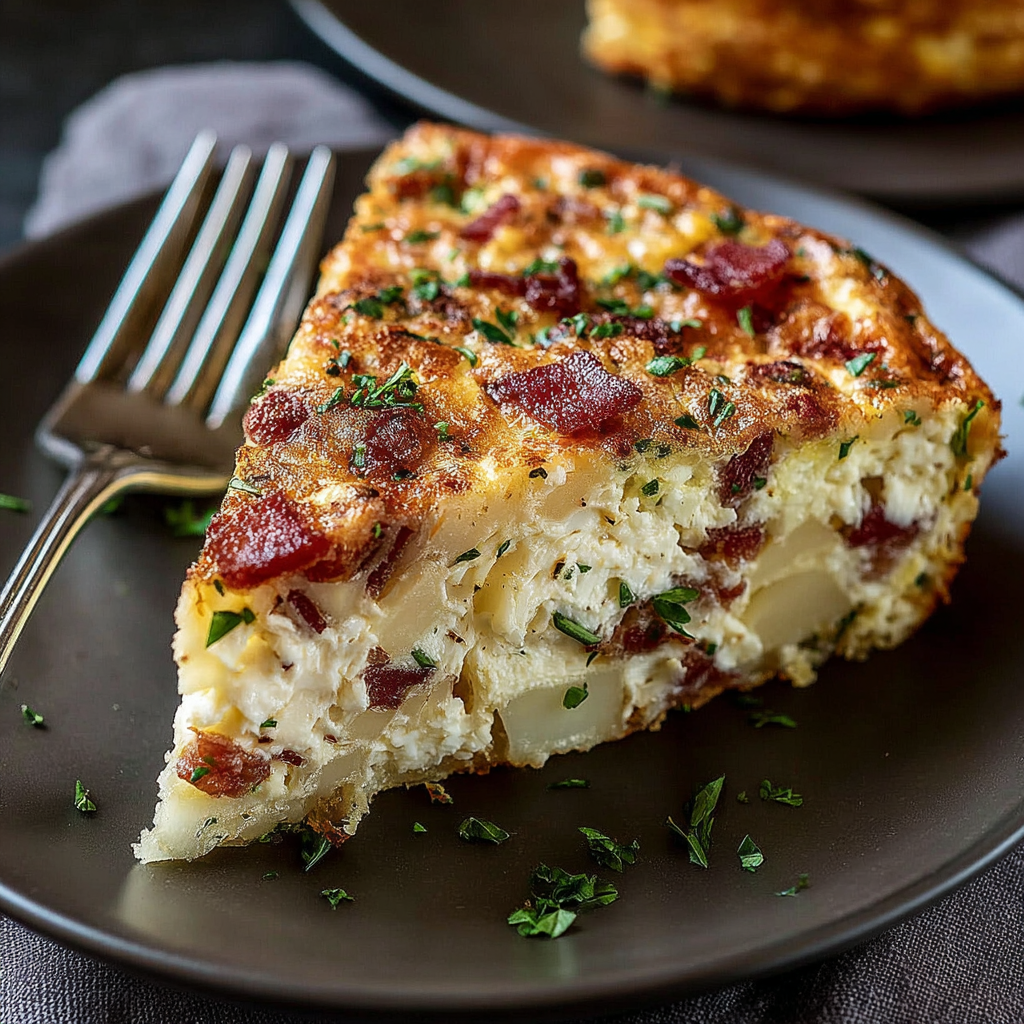
Creating Ina Garten's Scrumptious Bacon Potato Frittata
Ingredients
Method
- Preheat your oven to 400°F (200°C).
- Cook the bacon in a skillet over medium heat until crispy, then remove and crumble.
- Sauté the diced onion in the bacon fat until softened, about 5 minutes.
- In a bowl, whisk together the eggs, milk, salt, and pepper.
- Fold in the cooked potatoes, crumbled bacon, and cheese.
- Pour the mixture back into the skillet and cook over low heat for about 5-7 minutes.
- Transfer the skillet to the preheated oven and bake for 15-20 minutes.
- Remove from the oven and let sit for a few minutes before slicing.
- Garnish with fresh herbs and serve warm or at room temperature.
Notes
Additional serving suggestions: pair with a crisp salad, garlic bread, or roasted seasonal vegetables for balance.
For make-ahead, prep components separately and assemble just before heating to preserve texture.
Taste and adjust with acid (lemon/vinegar) and salt right at the end to wake up flavors.