Introduction
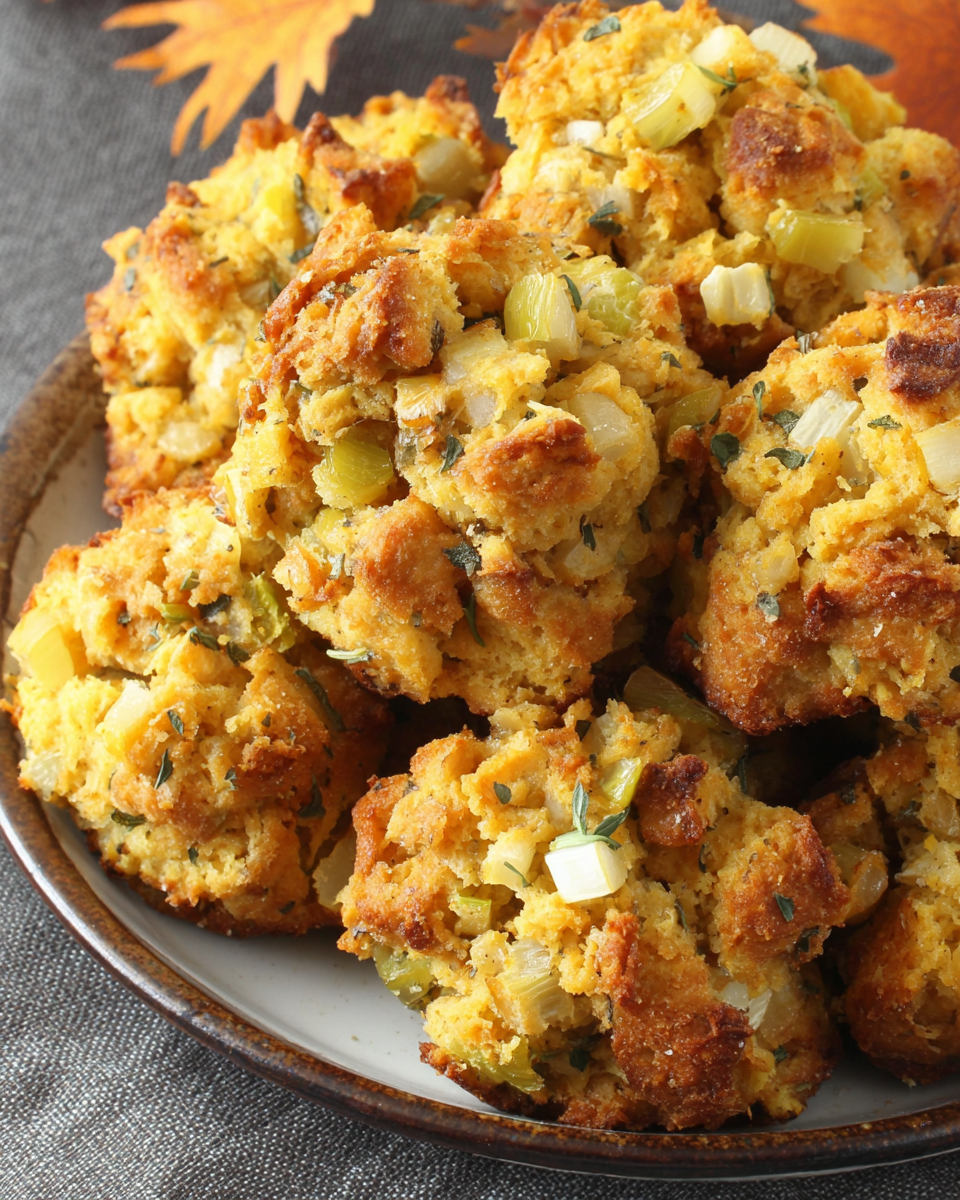
Thanksgiving is a time of year filled with warmth, gatherings, and the irresistible aroma of delicious food wafting through the home. While turkey often takes center stage, the side dishes are what truly elevate the holiday feast. One such delightful option is Thanksgiving stuffing balls, a versatile take on traditional stuffing that allows for creativity and personal flair.
These stuffing balls combine the rich flavors of classic stuffing with the fun, bite-sized appeal that makes them perfect for any Thanksgiving table. Whether served as an appetizer or a side dish, they are sure to impress your guests and bring a festive spirit to your celebration.
Ingredients
- 8 cups cubed rustic bread
Using a sturdy bread like sourdough or a country loaf gives the stuffing balls a pleasing texture and structure. The cubes soak up flavors beautifully, creating a moist and flavorful interior. - 1 cup celery, finely chopped
Celery adds a fresh crunch and aromatic quality that brightens the overall dish. Its moisture also helps keep the stuffing mixture from becoming too dry. - 1 cup onion, finely chopped
Onion brings a sweet and savory depth of flavor, caramelizing as it cooks and enhancing the stuffing's richness. - 1/2 cup butter, unsalted
Butter adds luscious richness and helps bind the ingredients together while providing a smooth, creamy mouthfeel. - 1/4 cup fresh parsley, chopped
Fresh parsley introduces a burst of color and herbal freshness, balancing the hearty elements with its brightness. - 2 teaspoons dried sage
Sage is a classic herb in Thanksgiving dishes, imparting an earthy aroma and flavor that is synonymous with the season. - 1 teaspoon dried thyme
Thyme adds a subtle warmth and complexity to the stuffing balls, complementing the other herbs and seasonings. - 1 teaspoon salt
Salt enhances all the flavors, ensuring that each bite is well-seasoned and satisfying. - 1/2 teaspoon black pepper
Black pepper provides a gentle kick, elevating the other flavors without overpowering them. - 1 cup vegetable or chicken broth
Broth keeps the stuffing balls moist and brings additional savory depth. Adjusting this amount can alter the consistency of the mixture. - 2 large eggs, beaten
Eggs serve as a binder, helping the stuffing balls maintain their shape during cooking. They also add richness to the final product.
Directions & Preparation
Step 1: Preheat the oven to 375°F (190°C).
Preheating your oven ensures even cooking from the moment your stuffing balls enter. This helps them develop a crisp exterior while maintaining a tender, flavorful interior.
Step 2: In a large skillet, melt the butter over medium heat. Add the celery and onion, cooking until softened (about 5-7 minutes).
Cooking the celery and onion in butter enhances their flavors and allows them to sweeten and soften, which adds depth to the stuffing mixture. Stir occasionally to prevent burning.
Step 3: In a large mixing bowl, combine the cubed bread, sautéed celery and onion, parsley, sage, thyme, salt, and pepper.
Mixing these ingredients in a bowl allows the flavors to meld together. The bread cubes will absorb the aromatic mixture, enhancing their taste and ensuring a balanced flavor profile.
Step 4: Pour in the broth gradually, mixing until the bread cubes are well moistened but still slightly dry.
Adding broth gradually prevents oversaturating the mixture. You want a cohesive mixture that holds together without becoming too soggy.
Step 5: Stir in the beaten eggs until everything is thoroughly combined.
The addition of eggs as a binder is crucial; they help the stuffing balls stay intact during cooking while adding richness. Ensure the mixture is uniform for optimal cooking.
Step 6: Form the mixture into 1 to 1.5-inch balls and place them on a lined baking sheet.
Shaping the stuffing into balls helps create a beautiful presentation and ensures they cook evenly. A consistent size is key for uniform baking.
Step 7: Bake in the preheated oven for 25-30 minutes, or until golden brown on the outside.
Baking allows the stuffing balls to develop a crispy crust, enhancing textural contrast with the moist interior. Keep an eye on them toward the end to avoid over-browning.
Step 8: Remove from the oven and let them cool slightly before serving.
Allowing the stuffing balls to rest for a few minutes helps them firm up, making them easier to handle. They are best enjoyed warm and can be served with your favorite gravy or on their own.

Flavor Variations to Explore
Thanksgiving stuffing balls offer a wonderful canvas for flavor experimentation. Consider incorporating different herbs such as rosemary or marjoram, or add fruits like cranberries or apples for a hint of sweetness. Chopped nuts like pecans or walnuts can provide an enjoyable crunch, while various cheeses—such as shredded cheddar or crumbled feta—can create a deliciously savory twist.
Pairing for Perfect Presentation
These stuffing balls not only taste fantastic, but they also add visual appeal to your Thanksgiving spread. Serve them in a rustic bowl, garnished with fresh herbs to enhance their festive appearance. They also pair wonderfully with classic Thanksgiving condiments like cranberry sauce and gravy, creating delicious flavor combos that everyone will love.
Making It Your Own: Tips for Personalization
One of the best aspects of stuffing balls is their adaptability. Feel free to personalize the recipe with your family's favorite flavors. Swap out some of the herbs for those you prefer, or use whatever type of bread is on hand for a unique twist. These small adjustments can make a big difference and help create a dish that reflects your personal cooking style.
FAQs
What types of bread work best for stuffing balls?
Sturdy breads like sourdough, baguette, or Italian bread hold up well and soak in flavors nicely. Avoid very soft or fluffy bread which may disintegrate.
Can I make stuffing balls without eggs?
Yes, you can use a flaxseed meal mixture or commercial egg replacer to bind the ingredients. Aim for a cohesive texture to ensure they hold together.
What can I add for extra texture?
Consider adding sautéed mushrooms, chopped nuts, or even crispy bacon for added layers of flavor and texture in your stuffing balls.
What can I do if my stuffing balls are too dry?
If your stuffing balls are too dry, you can rehydrate them by adding a bit more broth or even a splash of water before baking.
How can I ensure my stuffing balls stay intact while baking?
Properly mixing the ingredients and not adding too much broth will help maintain their structure. If they seem crumbly, add a bit more egg or broth.
Can I use leftover stuffing to make these balls?
Absolutely! Transform leftover stuffing into balls for a new presentation and a delightful way to enjoy those flavors again.
Conclusion
Thanksgiving stuffing balls are a delightful and innovative take on a classic dish, perfect for your holiday table. With their versatility and ease of preparation, they offer a fantastic opportunity to include personal touches, ensuring every bit embodies your family's traditions.
As you gather with loved ones this Thanksgiving, these stuffing balls will not only fill bellies but also contribute to the festive spirit of your celebration. Enjoy creating and sharing this dish that truly encapsulates the essence of the season.
Recipe Card
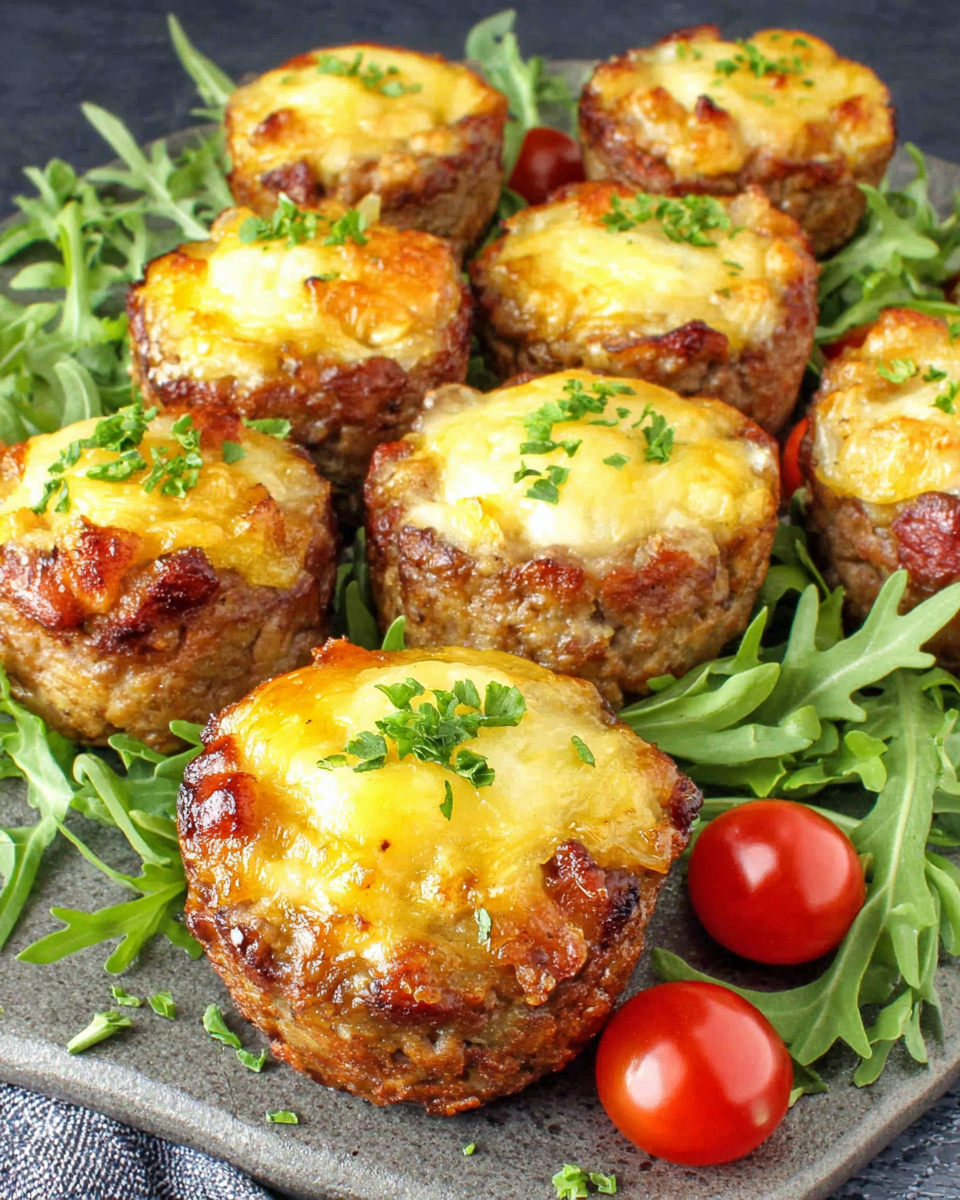
Simple and Flavorful Meatloaf Cups for Dinner
Ingredients
Method
- Preheat the oven to 375°F (190°C).
- In a large bowl, combine all the ingredients.
- Grease a muffin tin lightly with non-stick spray or oil.
- Scoop the meat mixture into each muffin cup, filling them about 3/4 full.
- Top each cup with a teaspoon of ketchup.
- Bake in the preheated oven for 20-25 minutes.
- Let the cups cool slightly before removing them from the tin.
Notes
Additional serving suggestions: pair with a crisp salad, garlic bread, or roasted seasonal vegetables for balance.
For make-ahead, prep components separately and assemble just before heating to preserve texture.
Taste and adjust with acid (lemon/vinegar) and salt right at the end to wake up flavors.