Introduction
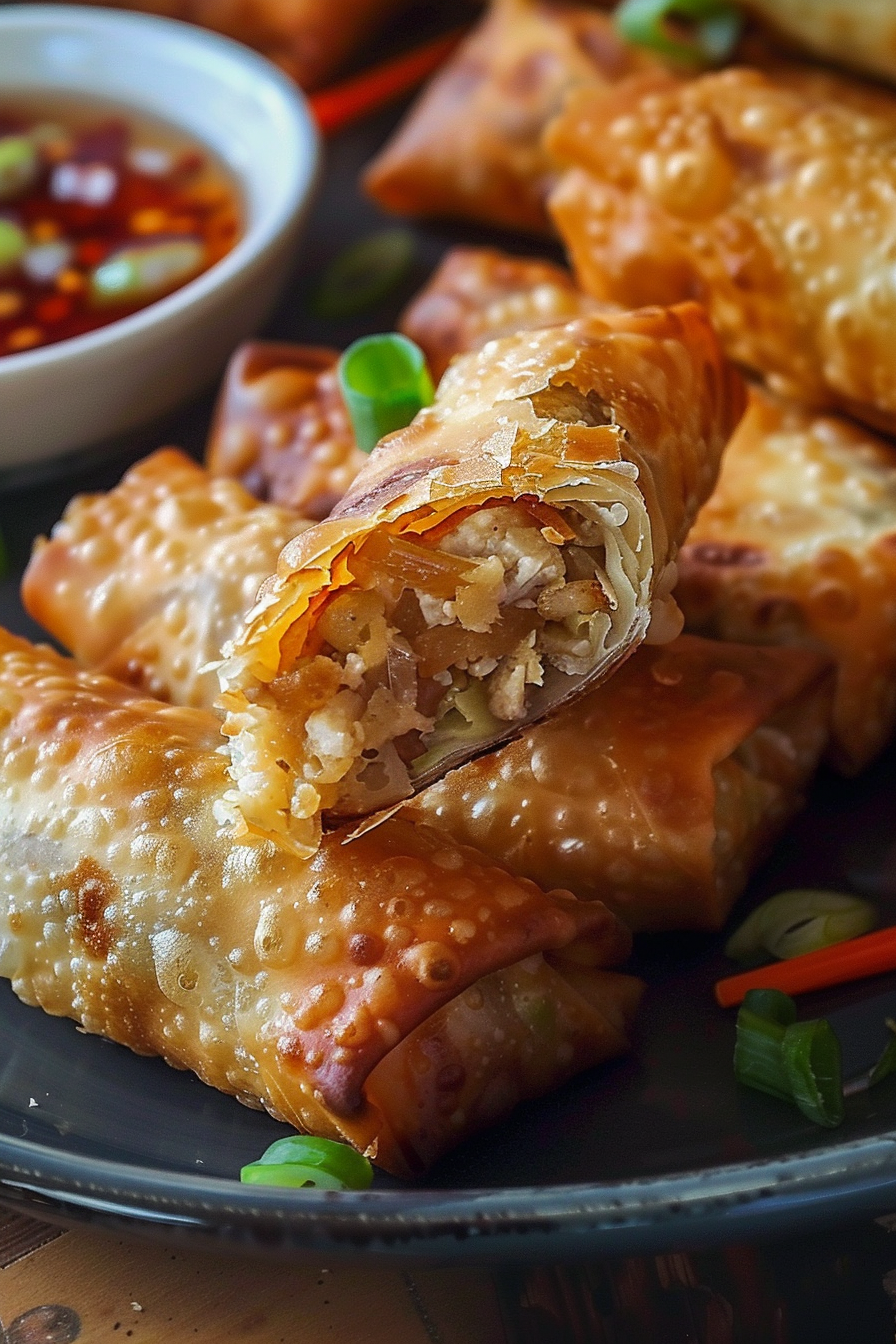
There’s nothing quite like the crispy satisfaction of biting into a homemade egg roll. These delightful bundles, filled with savory ingredients, are a popular addition to many Asian-inspired meals and are a favorite for gatherings and celebrations. While they may seem daunting, making egg rolls at home can be a rewarding and enjoyable experience.
Egg rolls are not only customizable but also allow you to incorporate fresh vegetables and proteins tailored to your taste. Once you master the basics, you can experiment with various fillings, creating a dish unique to your culinary style. So roll up your sleeves, and let’s dive into creating these delectable treats.
Ingredients
- 1 package egg roll wrappers (about 20 wrappers)
Egg roll wrappers are essential as they provide the outer layer that becomes beautifully crispy when fried. They are thin sheets made from dough that can easily be filled and rolled. - 2 cups shredded cabbage
Cabbage adds crunch and volume to the filling. It also absorbs flavors from the spices and proteins added, making every bite a harmonious blend of tastes. - 1 cup shredded carrots
Carrots contribute sweetness and a vibrant color, enhancing the visual appeal of your egg rolls. They also add a nutritional boost, making your dish more wholesome. - 1 cup cooked protein (chicken, pork, shrimp, or tofu)
Your choice of protein adds substance to the filling, making the egg rolls more filling. Cooked proteins infuse the mixture with flavor and a satisfying texture. - 3 green onions, finely chopped
Green onions provide a fresh, sharp taste that brightens the overall filling. They also add a lovely pop of color and a bit of crunch. - 2 cloves garlic, minced
Garlic infuses the filling with aromatic flavors that complement the other ingredients. It’s essential for adding depth to the overall taste. - 1 tablespoon soy sauce
Soy sauce acts as a seasoning agent, bringing umami flavor to the filling. It helps to balance the sweetness of the vegetables and enhances the savory notes. - 1 teaspoon ground ginger
Ginger adds a warm, spicy note that elevates the flavor profile, providing a subtle kick that complements the other ingredients. - Oil for frying (vegetable or canola)
Oil is crucial for frying the egg rolls, allowing them to achieve that sought-after golden-brown crust. The right temperature of the oil ensures even cooking. - Salt and pepper to taste
Salt and pepper finish the seasoning of your filling. Adjusting these to your preference enhances the overall taste of your egg rolls.
Directions & Preparation
Step 1: Prepare the Filling
Start by heating a large skillet over medium heat and adding a little oil. Sauté the minced garlic and ginger until fragrant, about 30 seconds. Next, toss in the shredded cabbage, carrots, and protein of choice. Stir-fry for approximately 5-7 minutes or until the vegetables are tender but still crisp. This step is crucial because it melds the flavors together, ensuring your filling is both tasty and aromatic.
Step 2: Season the Mixture
Once the vegetables and protein are cooked, add the chopped green onions, soy sauce, salt, and pepper. Mix well and let it cook for another minute, allowing the ingredients to absorb the seasoning. Proper seasoning is key to a flavorful filling, so taste it before proceeding. Adjust as necessary to elevate the final result. This step will enhance the overall depth of flavor in your egg rolls.
Step 3: Assemble the Egg Rolls
Lay an egg roll wrapper on a clean, dry surface with one corner pointing toward you. Spoon about 2 tablespoons of filling onto the wrapper, then fold the bottom corner over the filling tightly. Fold in the sides and roll up the wrapper, sealing the top corner with a dab of water. Properly sealing is essential to prevent the filling from spilling out during cooking, so take your time with this step.
Step 4: Heat Oil for Frying
In a deep pot or skillet, pour in enough oil to submerge the egg rolls, about 2 inches deep. Heat the oil to 350°F (175°C). You can test if it’s hot enough by dropping a small piece of wrapper in; it should sizzle immediately. The right oil temperature is vital to achieving a crisp texture without absorbing too much grease, so use a thermometer if needed.
Step 5: Fry the Egg Rolls
Carefully place a few egg rolls in the hot oil, avoiding overcrowding. Fry them for about 3-4 minutes, flipping occasionally, until golden brown and crispy. Remove them and drain on paper towels. Frying them properly brings out that perfect crunch and golden color that everyone loves. Be mindful of the cooking time to avoid overcooking.
Step 6: Serve and Enjoy
Once fried, serve your egg rolls hot with your favorite dipping sauces, such as sweet and sour or soy sauce. The warmth of the egg rolls enhances their flavors, making them the perfect appetizer or snack. Their delightful crunch paired with the rich filling makes every bite a satisfying experience, leaving you wanting more.

Choosing the Right Filling for Your Egg Rolls
The beauty of homemade egg rolls lies in their versatility. While traditional fillings usually consist of cabbage and meat, you can get creative by incorporating other ingredients like mushrooms, bell peppers, or even different spices. Vegetarians can opt for finely chopped veggies, beans, or even a rich cheese blend, ensuring everyone at your table finds something they love. This adaptability makes them suitable for various occasions.
Tips for Perfectly Crispy Egg Rolls
To achieve that coveted crunch, it’s essential to manage your frying temperature. If the oil is too hot, the outside will brown too quickly while leaving the inside undercooked. Conversely, if it’s too cool, the egg rolls will absorb more oil, resulting in a greasy texture. Keeping the temperature consistent and frying in batches can help maintain that ideal crispiness throughout your batch.
Exploring Dipping Sauce Options
While egg rolls are delicious on their own, pairing them with the right dipping sauce can elevate the experience. Sweet and sour sauce is a classic choice, but consider experimenting with peanut sauce, hoisin, or a simple mix of soy sauce with vinegar and chili paste for a kick. Each sauce brings out different flavors in the egg rolls, allowing for a fun tasting experience.
FAQs
What if the egg roll filling is bland?
If the filling lacks flavor, enhance it with additional soy sauce, garlic, or spices beforehand. Taste during preparation to adjust seasoning.
Can I use different wrappers?
While egg roll wrappers are traditional, you could try using spring roll wrappers, though they may alter the texture and frying time.
My egg rolls turned out too greasy. What went wrong?
Overcrowding the oil or frying at too low a temperature can lead to greasy egg rolls. Ensure you fry in smaller batches and maintain the proper oil temperature.
How can I make a vegetarian version?
Substitute the protein with tofu or additional vegetables, such as mushrooms, and consider adding soy sauce or seasoning to boost flavor.
What should I do if my wrappers tear?
If a wrapper tears, try to seal it with a little water or a flour paste. If it breaks beyond repair, use another wrapper to ensure the filling stays contained.
Can I use frozen vegetables in the filling?
Yes, but ensure they are thawed and well-drained to avoid excess moisture in your filling, preventing soggy egg rolls.
Conclusion
Homemade egg rolls can be a fun and engaging cooking experience for anyone, regardless of skill level. With a bit of practice, you'll master the art of making crispy, flavorful egg rolls that can impress friends and family.
Don't hesitate to experiment with fillings and dipping sauces. Each batch can be a new culinary adventure, making your egg rolls a perfect dish for any occasion.
Recipe Card
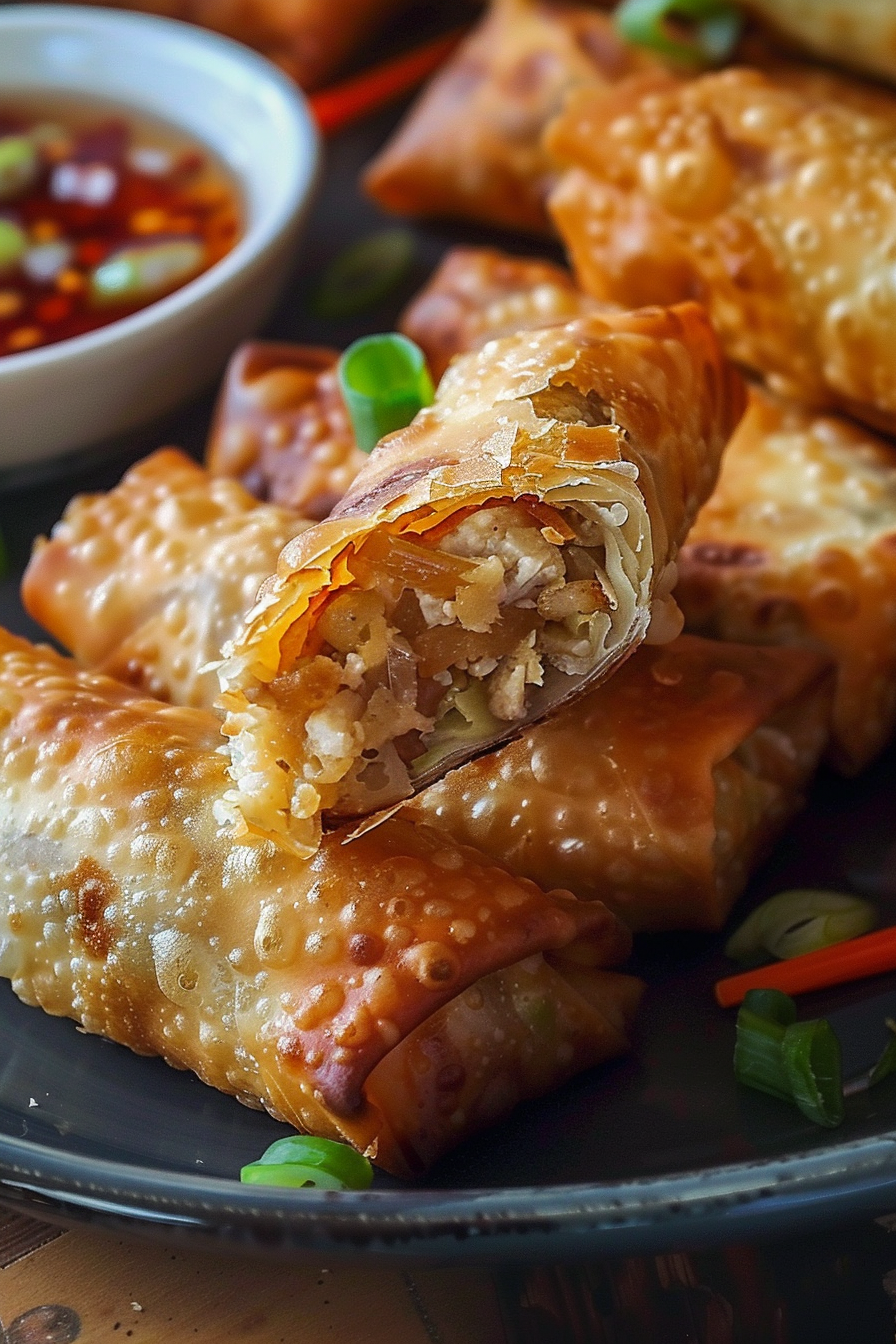
Deliciously Crunchy Homemade Egg Rolls Recipe
Ingredients
Method
- Prepare the Filling
- Season the Mixture
- Assemble the Egg Rolls
- Heat Oil for Frying
- Fry the Egg Rolls
- Serve and Enjoy
Notes
Additional serving suggestions: pair with a crisp salad, garlic bread, or roasted seasonal vegetables for balance.
For make-ahead, prep components separately and assemble just before heating to preserve texture.
Taste and adjust with acid (lemon/vinegar) and salt right at the end to wake up flavors.