Introduction
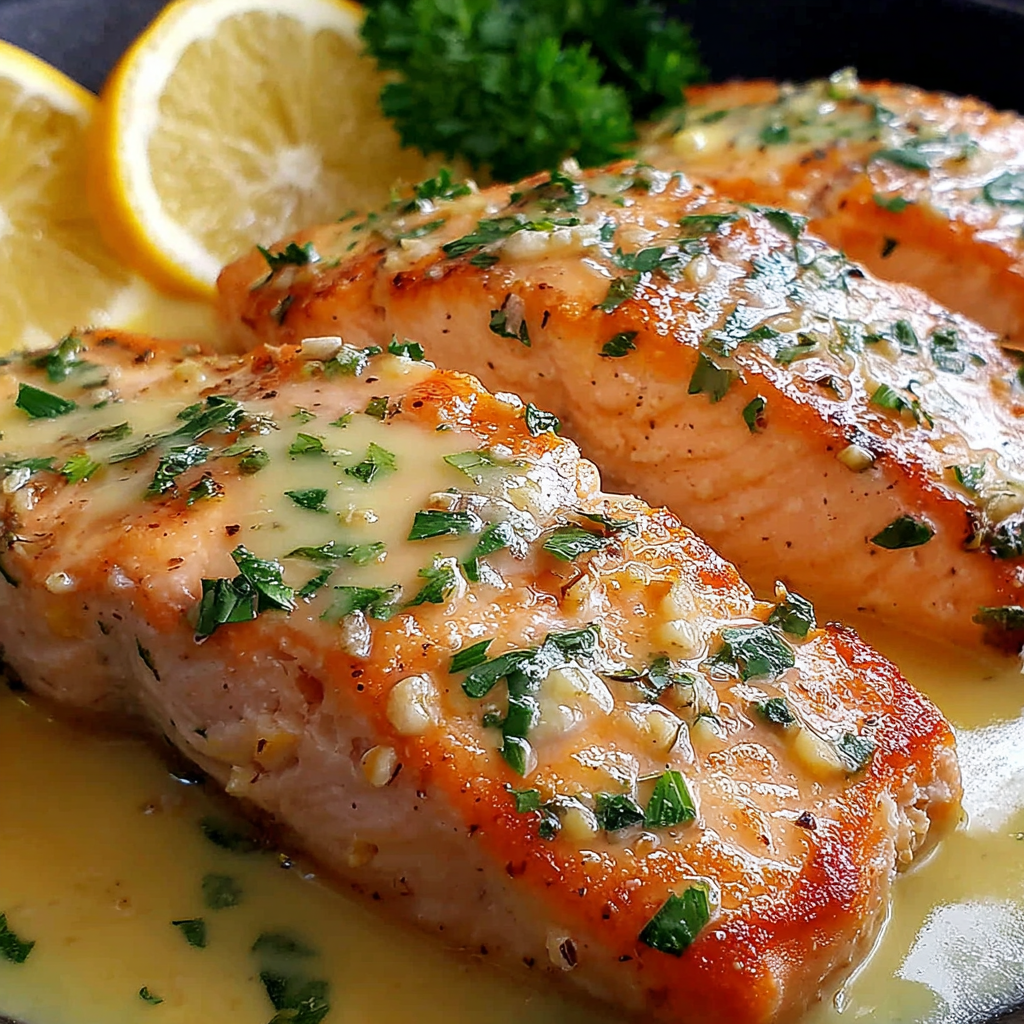
Salmon is a versatile fish known for its rich flavor and health benefits. Quick to prepare and packed with omega-3 fatty acids, it makes for a stellar choice for family meals. Pairing this delightful fish with a garlic lemon butter sauce elevates it to a whole new level.
In this recipe, we focus on creating a sauce that highlights the natural flavors of the salmon. The combination of garlic, lemon, and butter not only complements the fish but also adds a zesty richness that’s simply irresistible.
Ingredients
- 2 salmon fillets (6-8 oz each)
Fresh salmon serves as the star of this dish. It is tender and flaky when cooked properly, providing a delicious base for the sauce. - 3 tablespoons unsalted butter
Butter enriches the sauce with creaminess, enhancing both flavor and mouthfeel. Using unsalted butter allows you to control the seasoning of the dish. - 3 cloves garlic, minced
Garlic adds a robust flavor that pairs beautifully with salmon. When sautéed, it releases an aromatic quality that fills the kitchen and pleases the palate. - Juice of 1 lemon
Lemon juice provides acidity, balancing the richness of the butter while brightening the overall flavor. Fresh lemon is always best for its vibrant taste. - Zest of 1 lemon
The zest intensifies the lemon flavor without additional liquid. It brings a fragrant and fresh quality to the dish. - Salt and pepper to taste
seasoning is crucial for enhancing the natural flavors of the salmon and the sauce. Adjust to your preference to ensure a well-balanced dish. - Fresh parsley for garnish
Parsley adds a touch of freshness and color as a garnish. It also introduces a mild herbal note that complements the other flavors.
Directions & Preparation
Step 1: Prepare the salmon fillets by patting them dry.
Drying the salmon ensures that it sears properly rather than steaming. This enhances the texture and allows for a delightful crust when cooked. Patting it dry also helps the seasonings adhere better.
Step 2: Season both sides of the salmon with salt and pepper.
Adequate seasoning boosts the natural flavors of the salmon. Salt draws out moisture while enhancing flavor, and pepper adds a subtle warmth. This foundational step is key to a flavorful dish.
Step 3: Heat a skillet over medium-high heat and melt 1 tablespoon of the butter.
A hot skillet helps achieve a nice sear on the salmon, which locks in moisture. Melting the butter also creates a savory base for the fish to cook in, adding richness to the overall dish.
Step 4: Place the salmon fillets in the skillet, skin-side down.
Cooking skin-side down first allows the skin to crisp up, providing a delicious contrast to the tender fish. This method also protects the delicate flesh from direct heat while cooking.
Step 5: Cook for about 4 to 5 minutes, then flip the fillets.
Patience is crucial here; flipping too soon may result in the fish breaking apart. A golden crust on the first side indicates it’s ready to turn. Cook the other side for an additional 3 to 4 minutes or until done.
Step 6: Remove the salmon from the skillet and set aside.
Allowing the salmon to rest off the heat keeps it moist. Setting it aside prevents overcooking while you prepare the sauce.
Step 7: In the same skillet, reduce heat to medium and add the remaining butter.
Utilizing the same skillet adds depth of flavor from the salmon remnants. The butter will melt quickly, providing a rich base for the upcoming garlic and lemon.
Step 8: Add the minced garlic and sauté until fragrant.
Garlic should be cooked just until fragrant to avoid burning. This step brings out its sweetness and aromatic quality, forming the backbone of your sauce.
Step 9: Stir in the lemon juice and zest.
Incorporating lemon juice and zest adds a fresh burst of flavor and necessary acidity to the sauce. Stirring this in equals a tangy contrast that elevates the richness of the dish.
Step 10: Return the salmon to the skillet and spoon the sauce over.
Reintroducing the salmon allows it to absorb the incredible flavors of the sauce. Spoon the sauce generously over the fillets, ensuring each bite is infused with that garlic lemon goodness.
Step 11: Garnish with fresh parsley before serving.
A sprinkle of parsley adds a visual pop and a hint of freshness that wraps up the dish perfectly. Not only does it enhance the presentation, but it also offers a mild herbal note to balance the richness.

Choosing the Right Salmon
When selecting salmon, look for fillets that are moist with a vibrant color. Fresh salmon should have a mild scent, and the flesh should spring back when touched. Opt for wild-caught when possible, as it is often considered to have superior flavor and texture compared to farmed varieties.
The Importance of Fresh Ingredients
Using fresh, high-quality ingredients makes a significant difference in flavor. Fresh garlic and lemon elevate the dish, while quality butter enriches the sauce. These ingredients each play a vital role in creating a balanced and delicious meal, enhancing the overall experience.
Perfect Pairings for Salmon
Salmon with garlic lemon butter pairs beautifully with several side dishes. Consider serving it with roasted asparagus or a fresh garden salad for a light meal. Additionally, quinoa or wild rice can offer a hearty complement, soaking up the flavorful sauce.
FAQs
What happens if my garlic burns while sautéing?
If garlic burns, it will impart a bitter flavor to your sauce. Keep a close eye during cooking, and if it begins to brown too much, reduce the heat.
How can I make the sauce thicker?
To thicken the sauce, you can simmer it longer to reduce the liquid. Alternatively, a small amount of cornstarch mixed with water can be whisked in to achieve a thicker texture.
Can I use frozen salmon fillets for this recipe?
Yes, you can use frozen salmon fillets. Just make sure to thaw them completely in the refrigerator before cooking to ensure even cooking.
Why does my salmon taste bland?
Bland salmon may indicate it was under-seasoned. Make sure to adequately season the fish with salt and pepper before cooking, and don’t hesitate to adjust seasonings in the sauce to enhance flavor.
Is it possible to make this dish ahead of time?
This dish is best enjoyed fresh, but you can prepare the sauce in advance and warm it gently when ready to serve. Cook the salmon fresh for optimal texture.
How do I prevent the salmon from overcooking?
Using a meat thermometer ensures doneness without overcooking. Salmon should ideally be cooked to an internal temperature of 125°F for medium doneness, allowing it to remain moist.
Conclusion
Salmon with garlic lemon butter sauce is not just an easy meal; it’s a showstopper that combines simple ingredients into something unforgettable. The richness of the salmon paired with the brightness of the sauce creates a well-rounded dish perfect for any occasion.
Whether you're preparing a weeknight dinner or hosting guests, this recipe is sure to impress. Remember, quality ingredients and careful cooking will yield delicious results time after time.
Recipe Card

Simple and Flavorful Meatloaf Cups for Dinner
Ingredients
Method
- Preheat the oven to 375°F (190°C).
- In a large bowl, combine all the ingredients.
- Grease a muffin tin lightly with non-stick spray or oil.
- Scoop the meat mixture into each muffin cup, filling them about 3/4 full.
- Top each cup with a teaspoon of ketchup.
- Bake in the preheated oven for 20-25 minutes.
- Let the cups cool slightly before removing them from the tin.
Notes
Additional serving suggestions: pair with a crisp salad, garlic bread, or roasted seasonal vegetables for balance.
For make-ahead, prep components separately and assemble just before heating to preserve texture.
Taste and adjust with acid (lemon/vinegar) and salt right at the end to wake up flavors.