Introduction
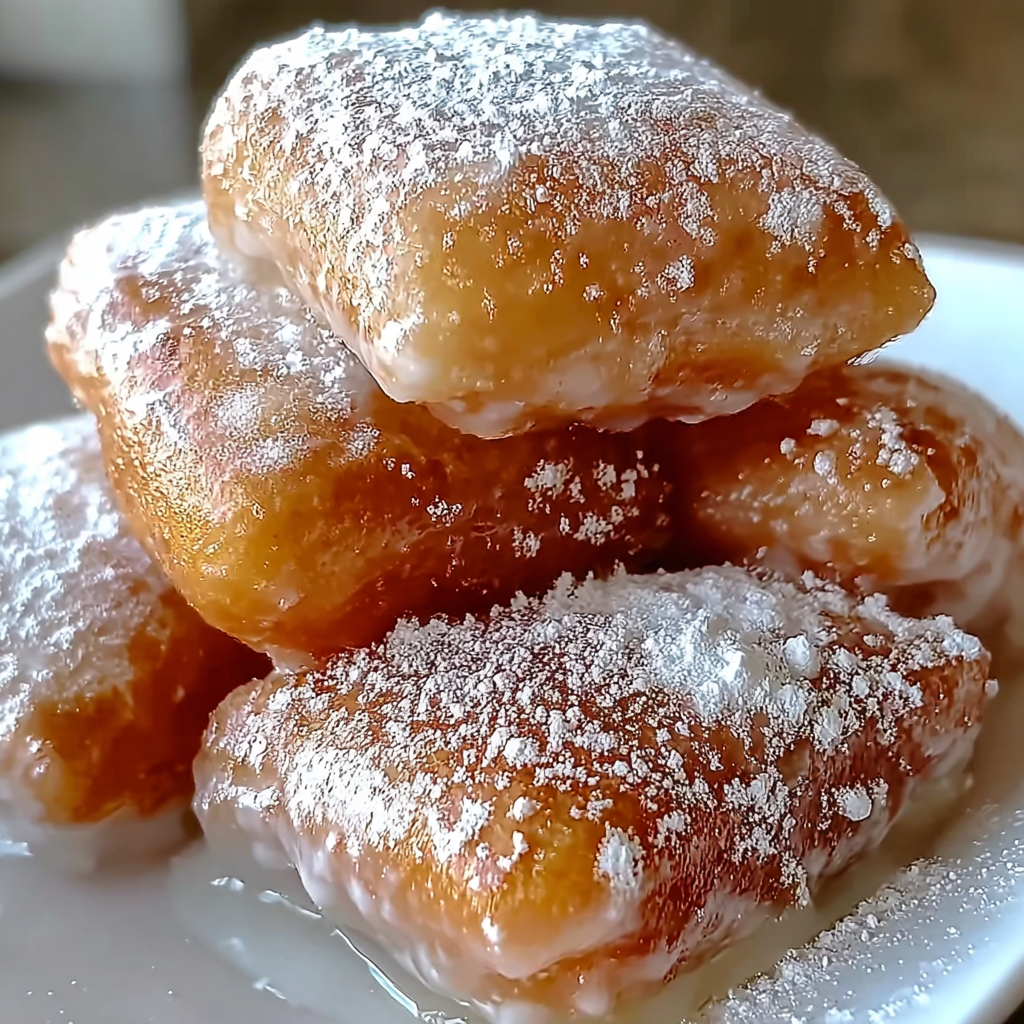
Indulging in the light, fluffy texture of freshly made beignets can transform any ordinary day into a special occasion. These delightful pastries, often associated with New Orleans, are perfect for breakfast, brunch, or an afternoon treat with coffee. Buttermilk beignets stand out for their rich flavor and cloud-like quality, making them a heavenly addition to your culinary repertoire.
What makes these beignets so irresistible? The inclusion of buttermilk adds a subtle tang that enhances the overall taste, while the right balance of ingredients ensures a beautiful rise and the signature powdery finish. When you take that first bite, you’ll find a satisfying crunch on the outside, giving way to a soft, airy interior that seems to melt in your mouth.
Ingredients
- 2 cups all-purpose flour
This is the backbone of the beignet dough, providing structure and necessary gluten development for a light, airy texture. - 1/4 cup granulated sugar
Sugar not only sweetens the dough but also aids in creating a golden-brown crust during frying, enhancing flavor and appearance. - 2 teaspoons baking powder
Baking powder is a leavening agent that helps the beignets rise, contributing to their light and fluffy interiors. - 1/2 teaspoon salt
Salt enhances the flavor of the beignets, balancing the sweetness and elevating the overall taste profile. - 1/2 teaspoon ground cinnamon
Cinnamon adds a warm note that complements the sweetness, providing a depth of flavor without overpowering the beignets. - 1/2 cup buttermilk
Buttermilk adds moisture and a slight tang that enriches the dough while also reacting with the baking powder for a lighter texture. - 1 large egg
The egg helps bind the ingredients together, provide richness, and contributes to the structure and tenderness of the beignets. - Vegetable oil, for frying
Oil is essential for frying, allowing the beignets to cook evenly while contributing to that desirable crispy exterior. - Powdered sugar, for dusting
The finishing touch, powdered sugar not only adds sweetness but also creates a beautiful presentation, making the beignets irresistibly tempting.
Directions & Preparation
Step 1: In a large bowl, combine the dry ingredients.
Begin by whisking together the flour, sugar, baking powder, salt, and cinnamon in a large mixing bowl. This step is crucial as it evenly distributes the leavening agents and prevents clumping, ensuring consistent texture throughout the beignets. Make sure to break up any lumps in the flour for a smooth dough.
Step 2: Mix in the buttermilk and egg.
Create a well in the center of the dry ingredients and add the buttermilk and beaten egg. Gently fold these wet ingredients into the dry mix using a spatula or wooden spoon. Avoid overmixing, as it can lead to denser beignets; a few lumps are acceptable. This step introduces moisture, allowing the beignet dough to come together.
Step 3: Knead the dough briefly.
Transfer the dough onto a floured surface and knead it gently for about 1 minute. This helps develop the gluten slightly, ensuring the beignets hold their shape while frying. However, keep it minimal to retain the desired airy texture. Form the dough into a ball and allow it to rest for about 30 minutes; this will relax the gluten for a better rise.
Step 4: Roll out and cut the dough.
After resting, roll the dough out to about 1/2 inch thickness on a floured surface. Using a sharp knife or pizza cutter, cut the dough into squares or rectangles. The even shape allows for uniform frying, giving you that perfect golden-brown finish. Ensure the pieces are cut sufficiently large to puff during frying.
Step 5: Heat the oil and fry the beignets.
In a deep pot or fryer, heat the vegetable oil to 350°F (175°C). Carefully drop a few pieces of dough into the hot oil, being cautious not to overcrowd the pot. Fry for about 2-3 minutes on each side until they're golden brown. The right temperature is vital for achieving that crispy exterior while avoiding greasy beignets, so use a thermometer if possible.
Step 6: Drain and dust with powdered sugar.
Once fried, remove the beignets with a slotted spoon and place them on paper towels to drain excess oil. While they are still warm, generously dust them with powdered sugar. This not only adds sweetness but also creates that classic beignet look. Serve immediately for the best experience, as they are truly heavenly when fresh!

The Role of Buttermilk
Buttermilk plays a pivotal role in creating the signature texture of beignets. Its acidity reacts with baking powder to help the dough rise and become fluffy, while also adding a tangy flavor that is distinctively delicious. This fermentation process enhances the complexity of taste, ensuring that each bite bursts with a delightful richness. Without buttermilk, the beignets would lack that distinctive character and lightness.
Tips for Perfect Frying
Frying beignets can be an art, and keeping an eye on the oil temperature is crucial. Oil that is too hot will cook the beignets too quickly, resulting in a burnt exterior with a raw inside. Conversely, oil that is too cool can lead to overly greasy pastries. Using a thermometer to maintain the temperature around 350°F is ideal. Additionally, frying in batches keeps the temperature consistent and ensures each piece is cooked perfectly.
Serving Suggestions and Variations
Though classic powdered sugar beignets are a treat on their own, they can also be enhanced with various toppings or dips. Consider serving them with a side of chocolate sauce, fruit jams, or a spiced whipped cream for added flavor. For a twist, try incorporating flavors like vanilla extract or citrus zest into the dough to create unique variations that cater to your taste or special occasions.
FAQs
What should I do if my dough is too wet?
If the dough is too wet, gradually sprinkle in a little more flour until it reaches a workable consistency. Be cautious not to add too much at once, as this can lead to dense beignets.
How can I ensure my beignets don’t turn out too bland?
Adding a pinch of nutmeg can enhance the flavor profile, while ensuring adequate sugar and cinnamon are included in the dough will greatly improve taste.
What if my beignets are overcooked?
If you find your beignets are overcooked, it may be best to adjust your frying temperature or time for the next batch. Test one or two first to find the optimal frying duration.
Can I double the recipe easily?
Yes, this recipe scales well! Simply double all the ingredients accordingly, but make sure to fry in batches to maintain the right oil temperature.
Is there a way to infuse flavors into the dough?
Absolutely! You can add flavored extracts, like vanilla or almond, or even citrus zest to the dough for an extra burst of flavor.
What alternatives can I use for frying oil?
While vegetable oil is common, you can also use canola oil or peanut oil, both of which have high smoke points and work well for frying.
Conclusion
Making heavenly buttermilk beignets may seem daunting, but with a little practice and patience, anyone can master this delightful pastry. The process not only provides a rewarding experience but also fills your kitchen with an irresistible aroma that will delight everyone around.
Whether enjoyed on a leisurely Sunday morning or at a fun gathering with friends, these beignets are sure to impress. They’re easy to customize and perfect for celebrating any occasion with a touch of sweetness.
Recipe Card
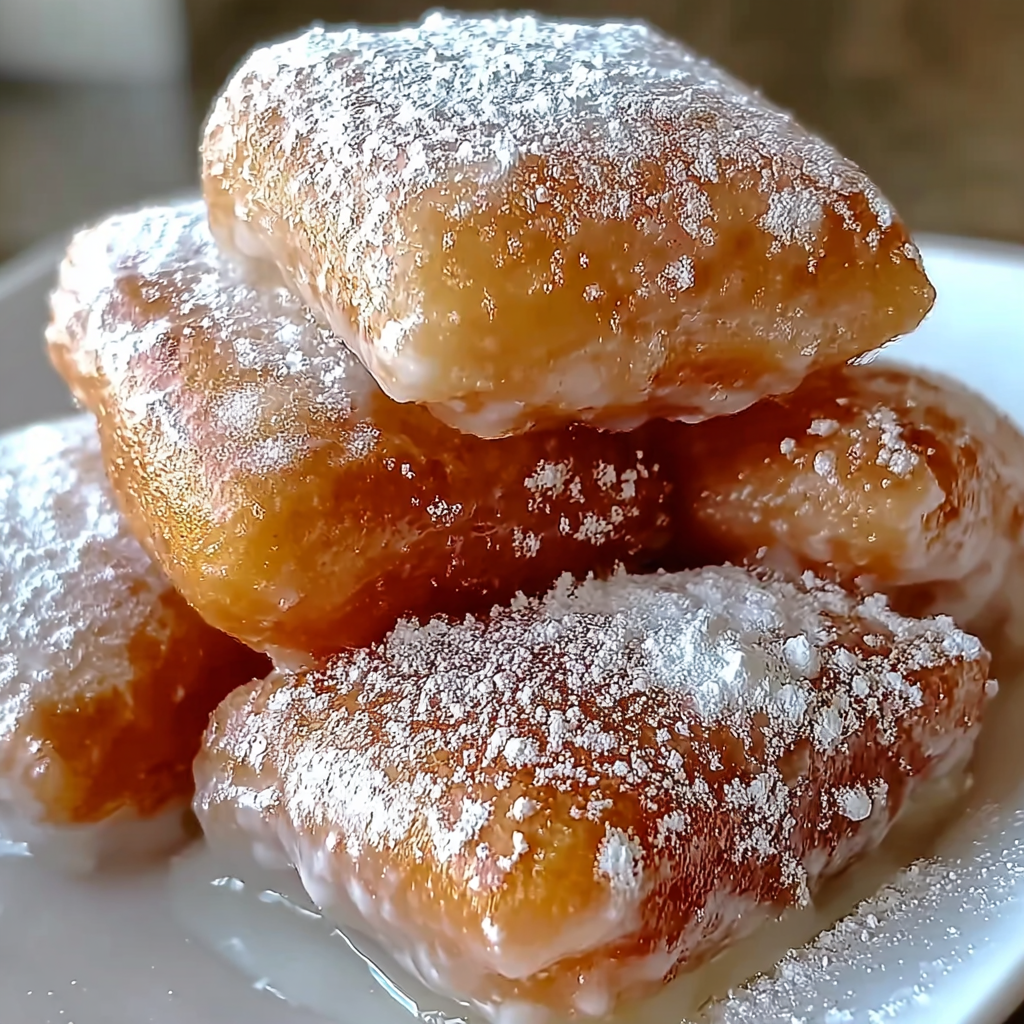
Heavenly Buttermilk Beignets for Every Occasion
Ingredients
Method
- In a large bowl, combine the dry ingredients.
- Mix in the buttermilk and egg.
- Knead the dough briefly.
- Roll out and cut the dough.
- Heat the oil and fry the beignets.
- Drain and dust with powdered sugar.
Notes
Additional serving suggestions: pair with a crisp salad, garlic bread, or roasted seasonal vegetables for balance.
For make-ahead, prep components separately and assemble just before heating to preserve texture.
Taste and adjust with acid (lemon/vinegar) and salt right at the end to wake up flavors.