Introduction
Buddha bowls have become a popular way to enjoy vibrant, nutritious meals that incorporate a variety of food groups in one satisfying dish. This Peanut Tofu Buddha Bowl takes things a step further by adding layers of flavor, texture, and protein, all while remaining incredibly healthy.
At the heart of this meal is tofu, a plant-based protein that absorbs the rich peanut sauce beautifully, making each bite bursting with flavor. Paired with colorful vegetables and a base of whole grains, this bowl promises not just nourishment but also a delightful culinary experience.
Ingredients
- 14 oz firm tofu
Tofu serves as the main protein source in this bowl, providing essential amino acids while remaining low in calories. Its firm texture holds up well when marinated and cooked, enhancing the overall richness of the dish. - 1 cup brown rice
Brown rice brings fiber and complex carbohydrates to the bowl, offering sustained energy and fullness. It adds an earthy flavor that complements the peanut sauce beautifully. - 2 cups broccoli florets
Broccoli not only adds a crunch but is also packed with vitamins K and C, along with numerous antioxidants. Its bright color makes the bowl visually appealing, while the slightly bitter flavor balances the sweetness of the peanut sauce. - 1 red bell pepper, sliced
The red bell pepper contributes a sweet, crisp contrast to the tofu and rice. It's also rich in vitamins A and C, enhancing both the nutrition and the vibrant color profile of the dish. - 1 cup shredded carrots
Carrots bring a natural sweetness and a satisfying crunch to the bowl. They are a great source of beta-carotene, which supports eye health, making this dish not only tasty but beneficial. - 1/4 cup creamy peanut butter
Peanut butter serves as the cornerstone of the sauce, providing a rich, nutty flavor and a creamy texture. It's a great source of healthy fats and protein, ensuring the bowl is filling. - 2 tablespoons soy sauce
Soy sauce adds an umami depth to the peanut sauce, enhancing the overall flavor profile. It also helps to balance the creaminess of the peanut butter with its saltiness. - 1 tablespoon maple syrup
Maple syrup introduces a hint of natural sweetness, which helps to round out the savory flavors of the peanut sauce. It's a healthier alternative to refined sugars. - 2 tablespoons lime juice
Lime juice brightens the entire dish, adding a tangy, refreshing note that contrasts with the richness of the peanut sauce. It's essential for elevating the flavors in the bowl. - 1 tablespoon sesame oil
Sesame oil adds a distinctive nutty flavor that complements the peanut butter while enhancing the overall Asian-inspired theme of the dish. It’s also rich in antioxidants. - Salt and black pepper, to taste
Salt and black pepper are essential to bring all the flavors together. Adjusting these seasonings allows you to customize the taste to your liking. - Chopped scallions and sesame seeds, for garnish
These garnishes add a fresh, crunchy finish to the bowl, bringing an appealing presentation and an additional layer of flavor that rounds out the dish.
Directions & Preparation
Step 1: Press the tofu for at least 30 minutes.
Pressing the tofu removes excess moisture, allowing it to absorb the flavors of the marinade better. This step ensures that the tofu becomes crispy when cooked, creating a delightful texture contrast with the other ingredients.
Step 2: Prepare the marinade by mixing peanut butter, soy sauce, maple syrup, lime juice, and sesame oil in a bowl.
Combining these ingredients creates a cohesive sauce that is rich in flavor. The balance of sweet, salty, and tangy elements will coat the tofu perfectly, enhancing its taste as it cooks.
Step 3: Cut the pressed tofu into cubes and marinate for at least 20 minutes.
Cutting the tofu into cubes allows for maximum surface area exposure, ensuring that each bite is full of flavor. Marinating it for 20 minutes gives it enough time to soak up the sauce.
Step 4: Cook brown rice according to package instructions.
Preparing the rice provides a hearty base for the bowl, absorbing the flavors of the other ingredients. Follow the package guidelines to achieve the right texture; al dente rice will hold up well against the other elements.
Step 5: Preheat the oven to 400°F (200°C) and line a baking sheet with parchment paper.
Preheating the oven ensures that the tofu crisps up nicely when baked. Parchment paper prevents sticking and makes cleanup easier, letting the oven do the hard work without much hassle.
Step 6: Spread the marinated tofu cubes on the prepared baking sheet and bake for 25-30 minutes.
Baking the tofu allows it to develop a golden-brown crust while becoming chewy on the inside. Keep an eye on it during the last few minutes to prevent overcooking, which could lead to dryness.
Step 7: While the tofu bakes, steam the broccoli until tender-crisp.
Steaming the broccoli preserves its vibrant color and nutrients while ensuring it remains crisp. Aim for a few minutes of steaming to achieve that perfect texture.
Step 8: Sauté the sliced red pepper and shredded carrots in a pan with a bit of sesame oil until softened.
Sautéing these vegetables adds warmth and mellows their flavors while still keeping them crunchy. The sesame oil enhances the dish’s flavor profile, bringing it closer to an authentic Asian dish.
Step 9: Assemble the bowls by layering brown rice, baked tofu, steamed broccoli, sautéed red pepper, and carrots.
Layering the ingredients not only makes for an aesthetically pleasing presentation but also allows each bite to deliver a variety of flavors and textures. Customize the quantities based on your preferences.
Step 10: Drizzle additional peanut sauce over the assembled bowls and garnish with scallions and sesame seeds.
Finishing touches such as the extra peanut sauce and garnishes elevate the final dish. These additions enhance flavor, texture, and visual appeal, making every bowl exciting.

The Nutritional Benefits of Tofu
Tofu, derived from soybeans, is a complete protein, making it an excellent meat substitute. It’s low in calories and high in essential minerals such as calcium and iron. Integrating tofu into meals not only supports muscle health but also contributes to weight management and overall wellness, making it a smart choice for home cooks wishing to enhance their dishes.
Peanut Sauce: A Flavor Powerhouse
The combination of peanut butter and soy sauce creates a layered flavor that is both comforting and complex. Peanut sauce can be prepared in various textures from creamy to chunky, depending on personal preference. Its versatility allows it to be enjoyed in countless dishes, from salads to stir-fries, bridging cultures and adding a unique twist to whatever you choose.
Customizing Your Buddha Bowl
One of the joys of Buddha bowls is their adaptability. You can easily substitute or add different vegetables, grains, or proteins based on your dietary needs or what you have available. For a spicier variation, try drizzling sriracha or incorporating spicy marinated chickpeas, making this meal your own while keeping it healthy and fulfilling.
FAQs
What if my tofu isn’t crispy enough?
If your tofu isn’t crispy, next time increase the baking time slightly or ensure it's been adequately pressed to remove moisture. Additionally, a light dusting of cornstarch before baking can help achieve extra crispiness.
Can I use other vegetables instead of broccoli?
Absolutely! You can substitute broccoli with vegetables like snap peas, zucchini, or kale. Just be sure to adjust cooking times based on the vegetables you choose to maintain their crunch and flavor.
How can I adjust the peanut sauce to be less sweet?
If you’d like to reduce the sweetness of the peanut sauce, simply decrease the amount of maple syrup or omit it entirely. You can also balance it with more soy sauce and lime juice to maintain flavor.
What should I do if my peanut sauce is too thick?
If the peanut sauce turns out too thick, add a splash of warm water or additional lime juice while whisking until you reach your desired consistency. This will help it blend more easily over the bowl's ingredients.
Can I make the peanut sauce ahead of time?
Yes, the peanut sauce can be prepared in advance and stored in an airtight container in the fridge for up to a week. Just give it a good stir before using, as it may thicken when stored.
How can I add more protein to the bowl?
To increase protein content, consider adding chickpeas, edamame, or a boiled egg to the bowl. Each option brings its own flavor and texture while enhancing the nutritional value of the meal.
Conclusion
Creating a Peanut Tofu Buddha Bowl is a fulfilling way to incorporate diverse flavors and textures into your meals. This dish not only satiates hunger with its protein-packed ingredients but also offers creativity in its presentation and customization.
Exploring the versatility of Buddha bowls can inspire your home cooking, allowing you to experiment with your favorite ingredients while prioritizing health. Dive into the process and enjoy the satisfying experience of crafting your nourishing meal.
Recipe Card
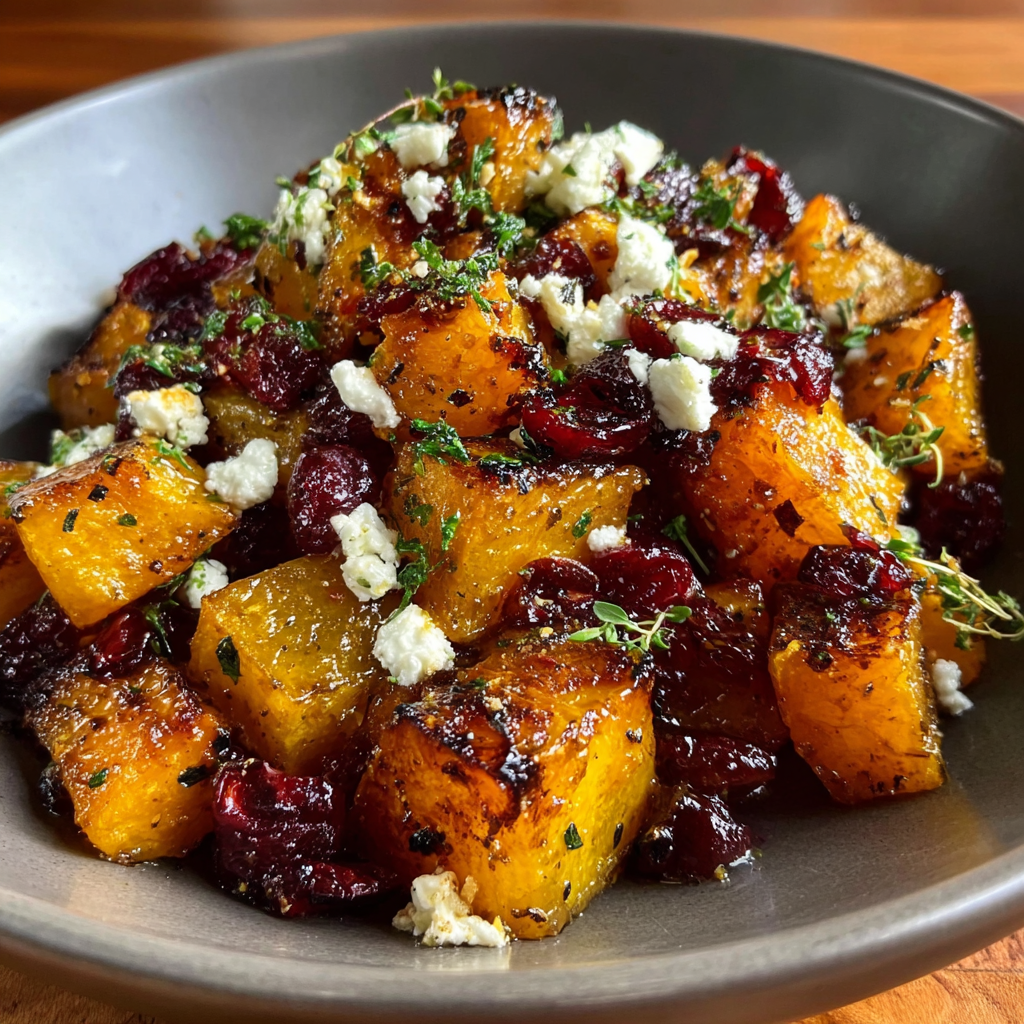
Roasted Butternut Squash with Cranberries and Feta Bliss
Ingredients
Method
- Preheat the oven to 400°F (200°C).
- Prepare the butternut squash.
- Toss the squash with olive oil, salt, and pepper.
- Spread the squash onto a baking sheet in a single layer.
- Roast the squash for about 25 minutes.
- Add the cranberries, honey, and toss lightly.
- Return the baking sheet to the oven and roast for an additional 10–12 minutes.
- Remove from the oven and sprinkle with feta cheese.
- Serve warm, garnished with fresh herbs if desired.
Notes
Additional serving suggestions: pair with a crisp salad, garlic bread, or roasted seasonal vegetables for balance.
For make-ahead, prep components separately and assemble just before heating to preserve texture.
Taste and adjust with acid (lemon/vinegar) and salt right at the end to wake up flavors.